INPEX begins ammonia production in Kashiwazaki, supplies Mitsubishi Gas Chemical
Ammonia made in Kashiwazaki City, Niigata Prefecture, will be supplied to Mitsubishi Gas Chemical, drawing attention as a carrier of hydrogen.
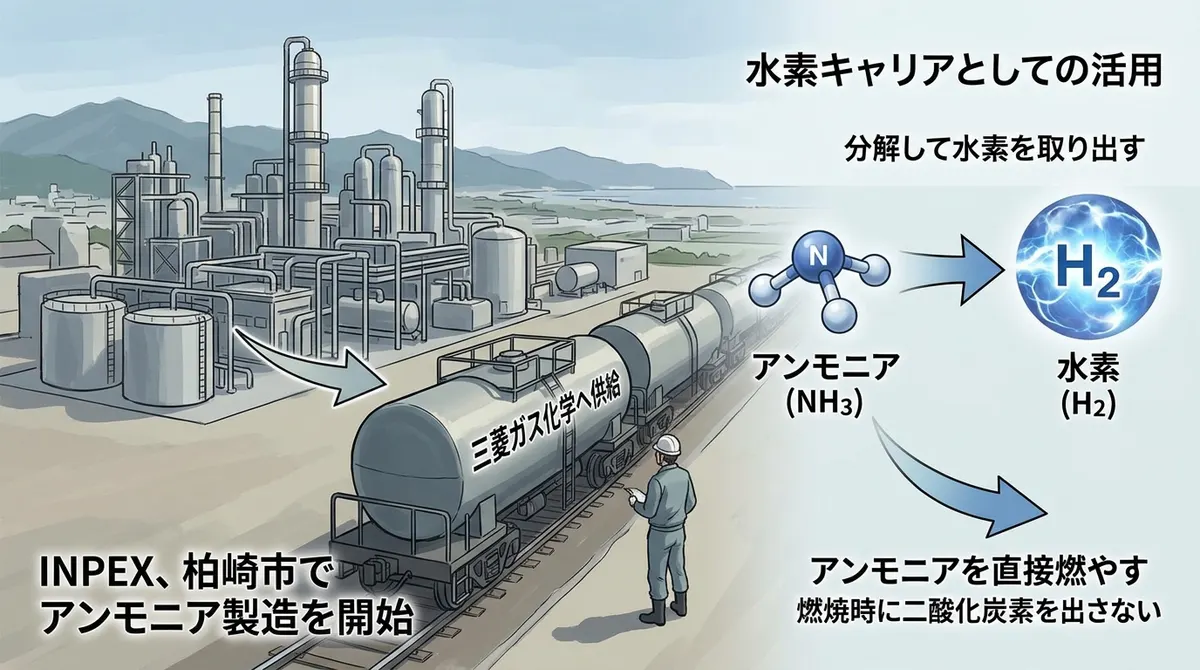
INPEX has started producing ammonia in Kashiwazaki City, Niigata Prefecture, and will supply the ammonia to Mitsubishi Gas Chemical. The project sends raw materials produced locally to customers in the existing chemical industry.
Ammonia is a compound of nitrogen and hydrogen. It is known as a hydrogen carrier because it converts hydrogen into a form that is easier to transport, in a form closer to a liquid. Because hydrogen is light and bulky, methods of converting it for transport over long distances are being studied.
Ammonia has long been widely used as a raw material for fertilizers and other products in the chemical industry. This supply is a transaction linked to those established uses. In production, the common method is synthesizing ammonia by reacting hydrogen with nitrogen.
When using hydrogen as fuel, methods being studied include decomposing ammonia to extract hydrogen and burning ammonia directly. Its lack of carbon dioxide emissions during combustion is considered an advantage, but suppressing nitrogen oxides is a technical challenge.
From a decarbonization perspective, studies on co-firing, in which ammonia is partly mixed into thermal power generation fuel, are also advancing. When mixed into coal-fired power, carbon dioxide emissions can be reduced in proportion to the co-firing ratio.
Hydrogen supply chains can be divided into four stages: production, transport, storage and use. This case corresponds to the stage connecting production and use as a raw material. Hydrogen-based fuels can only become viable businesses when facilities at every stage are in place.
Attention going forward will focus on the scale and duration of supply. Whether production in Kashiwazaki expands continuously or spreads to other regions and applications will determine how the project is evaluated.
BLUE NOVA Hydrogen Journal view
Ammonia is attracting attention in decarbonized supply chains as a carrier of hydrogen. This production start can be seen as one example of domestic efforts to make hydrogen-based raw materials and deliver them to the existing chemical industry. However, using hydrogen itself as fuel in large quantities requires transport and usage technologies to be in place. Future supply volumes and which applications expand will be the deciding factors.
Source: にいがた経済新聞
This article was written by the editors based on the cited report and translated from Japanese. AI is used to assist in writing and translation.
More news
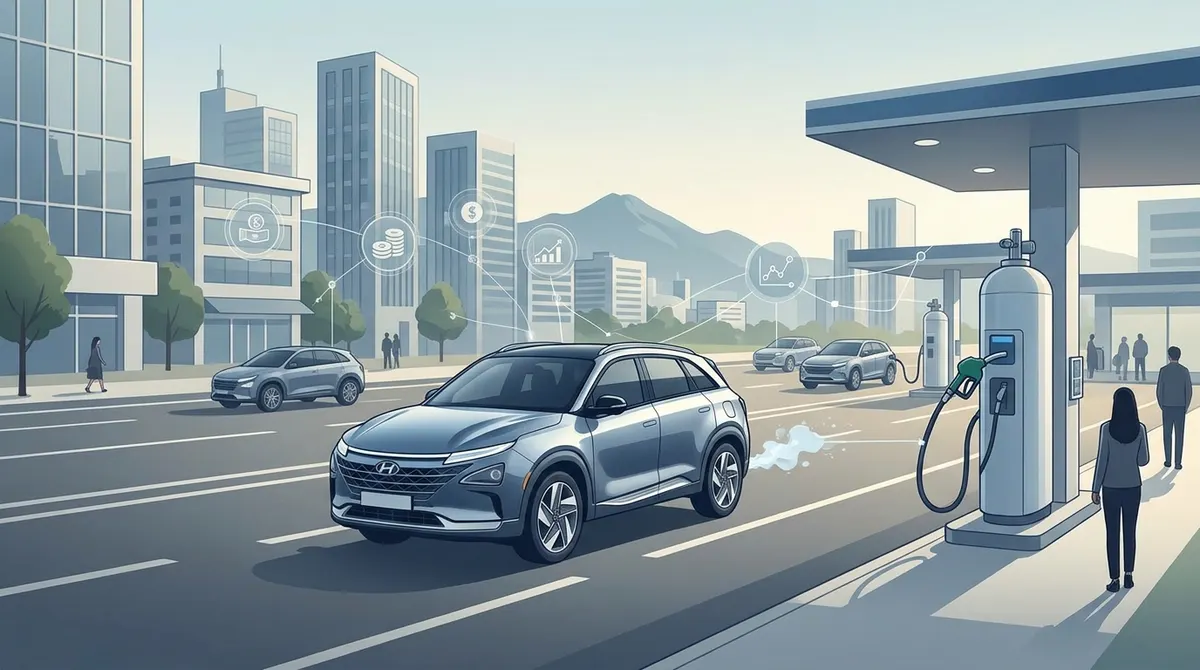
Hyundai's hydrogen fuel cell car NEXO tops 50,000 units in South Korea
Adoption is growing in South Korea, but subsidy policy and hydrogen refueling network expansion will be the key issues ahead.

Omron to launch KPTP-B series integrating solar power, battery storage systems and V2H systems
Omron plans to release the KPTP-B series, a lineup that handles solar generation, battery storage and V2H connections as a single system.

Toho Gas, Toyota Tsusho to produce biogas from sugarcane residue in Brazil
The two companies will work on biogas production from sugarcane residue in Brazil, though output and costs have not been disclosed.
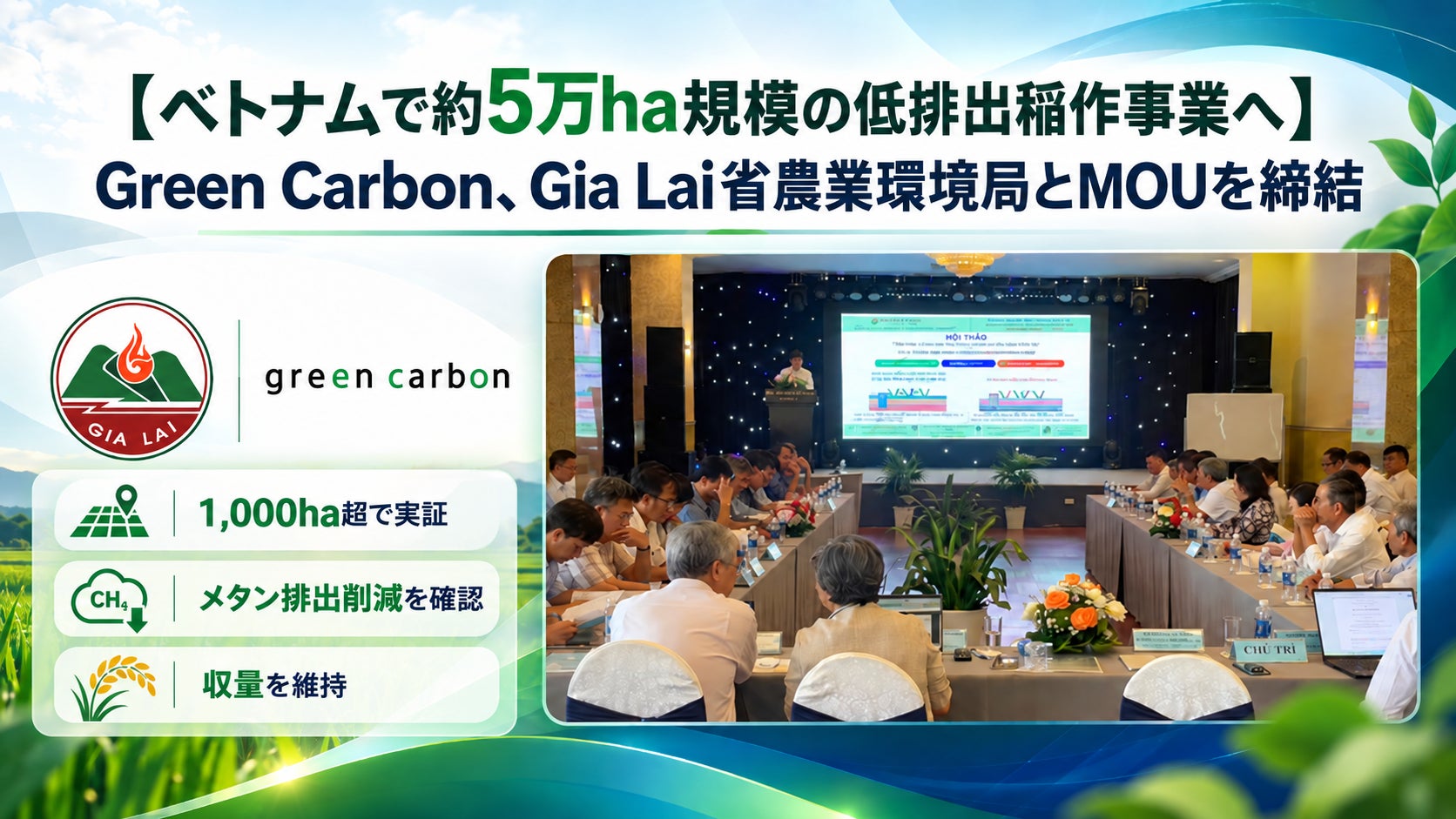
Green Carbon Signs MOU With Vietnam Province to Promote Low-Emission Rice Farming
The Japanese firm signed the agreement with the Gia Lai provincial agriculture authority after a 1,000-hectare trial confirmed methane cuts without lower yields.