Omron to launch KPTP-B series integrating solar power, battery storage systems and V2H systems
Omron plans to release the KPTP-B series, a lineup that handles solar generation, battery storage and V2H connections as a single system.

Omron plans to release the KPTP-B series, which integrates solar power generation, storage batteries and V2H (Vehicle to Home), a system that connects electric vehicles to homes and enables electricity exchange between them. A feature of the lineup is that multiple devices are offered as a single series, handling power generation, storage and connection with electric vehicles in an integrated way for homes.
Solar power generation uses electricity produced during the day within the home, and any surplus can be sold or stored in a battery for later use. Battery storage systems supply power at night and during power outages, and by shifting surplus daytime electricity to nighttime use, they are expected to reduce the amount of electricity purchased from the grid.
V2H uses the battery of an electric vehicle as a home battery. Because a car can serve as a household backup power source as well as a means of transportation, it is useful for preparing for power outages and adjusting electricity costs. Combining solar power, storage batteries and V2H makes it easier to manage the flow of generation, storage and consumption as one system.
In the field of residential storage systems, configurations that install solar power and storage batteries together are becoming common. Adding an electric vehicle to that setup raises the share of self-consumed power and widens the options for using renewable energy entirely within the home.
Attention will focus on specifics such as the launch date, prices, and the homes and vehicle models that will be supported. Anyone considering adoption will first need to confirm compatibility with existing solar equipment and electric vehicles.
BLUE NOVA Hydrogen Journal view
This news shows that equipment makers are also moving to handle home solar power, storage batteries and electric vehicles as a single series. The trend of managing home energy in an integrated way across generation, storage and use is gaining importance as a residential step toward decarbonization. Beyond comparing the performance of individual devices, compatibility with existing equipment and ease of operation will be the focus of future evaluation. For readers, it is best understood as an expansion of options when considering home battery storage or the use of EVs.
Source: 環境新聞オンライン
This article was written by the editors based on the cited report and translated from Japanese. AI is used to assist in writing and translation.
More news
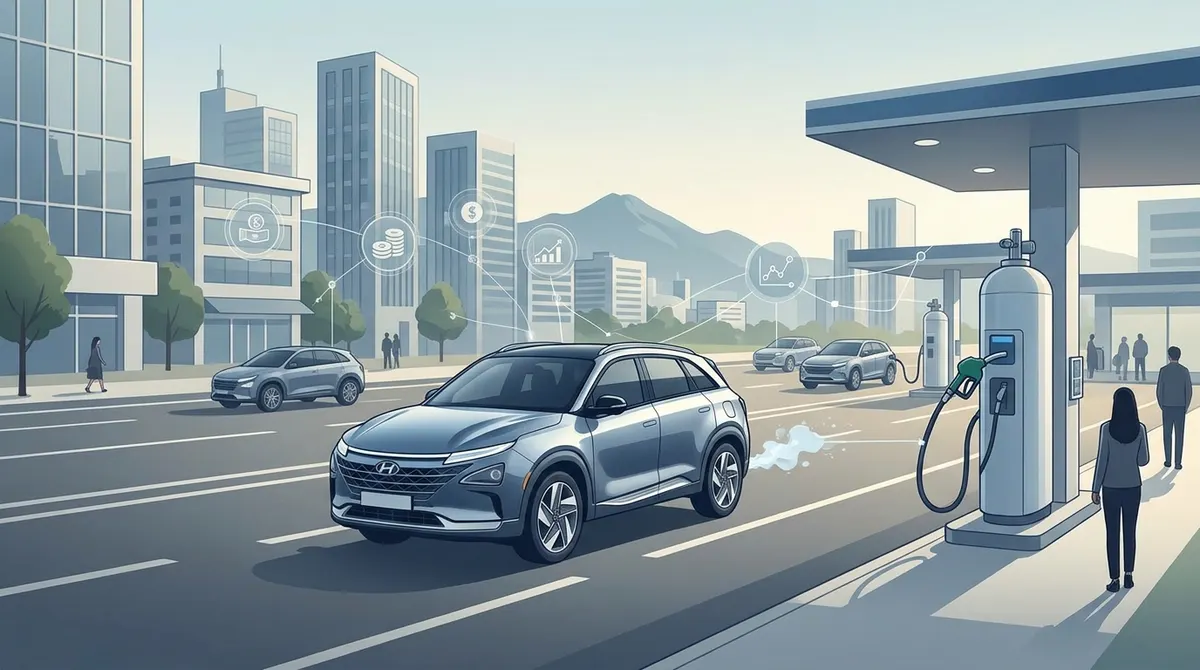
Hyundai's hydrogen fuel cell car NEXO tops 50,000 units in South Korea
Adoption is growing in South Korea, but subsidy policy and hydrogen refueling network expansion will be the key issues ahead.
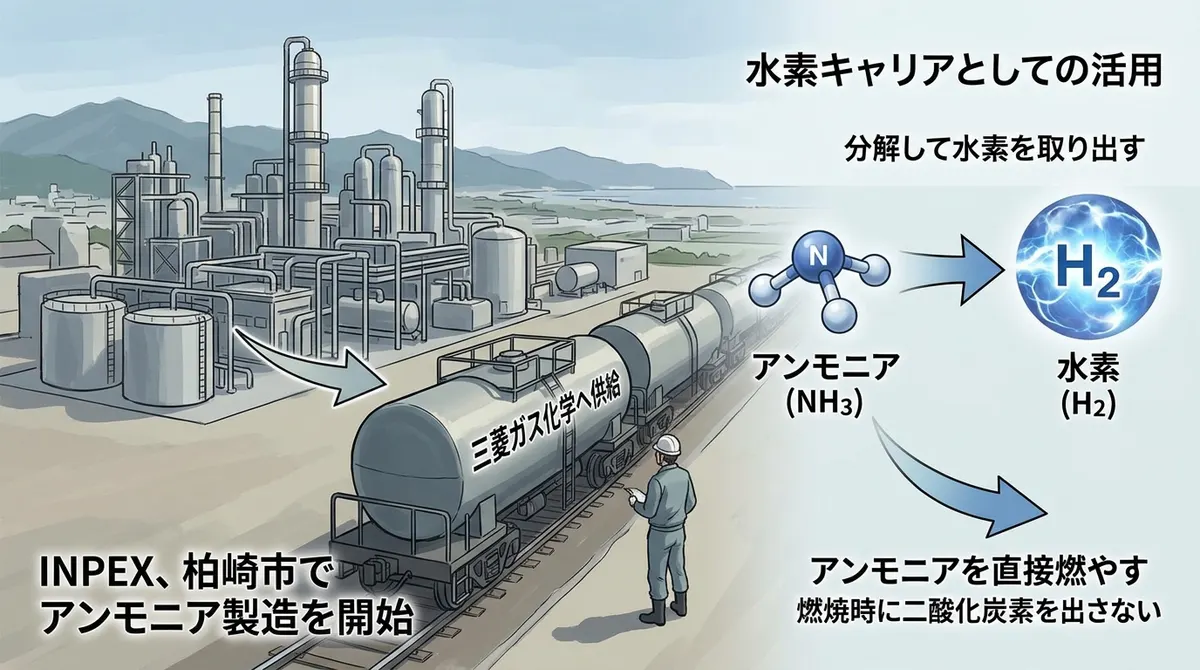
INPEX begins ammonia production in Kashiwazaki, supplies Mitsubishi Gas Chemical
Ammonia made in Kashiwazaki City, Niigata Prefecture, will be supplied to Mitsubishi Gas Chemical, drawing attention as a carrier of hydrogen.

Toho Gas, Toyota Tsusho to produce biogas from sugarcane residue in Brazil
The two companies will work on biogas production from sugarcane residue in Brazil, though output and costs have not been disclosed.
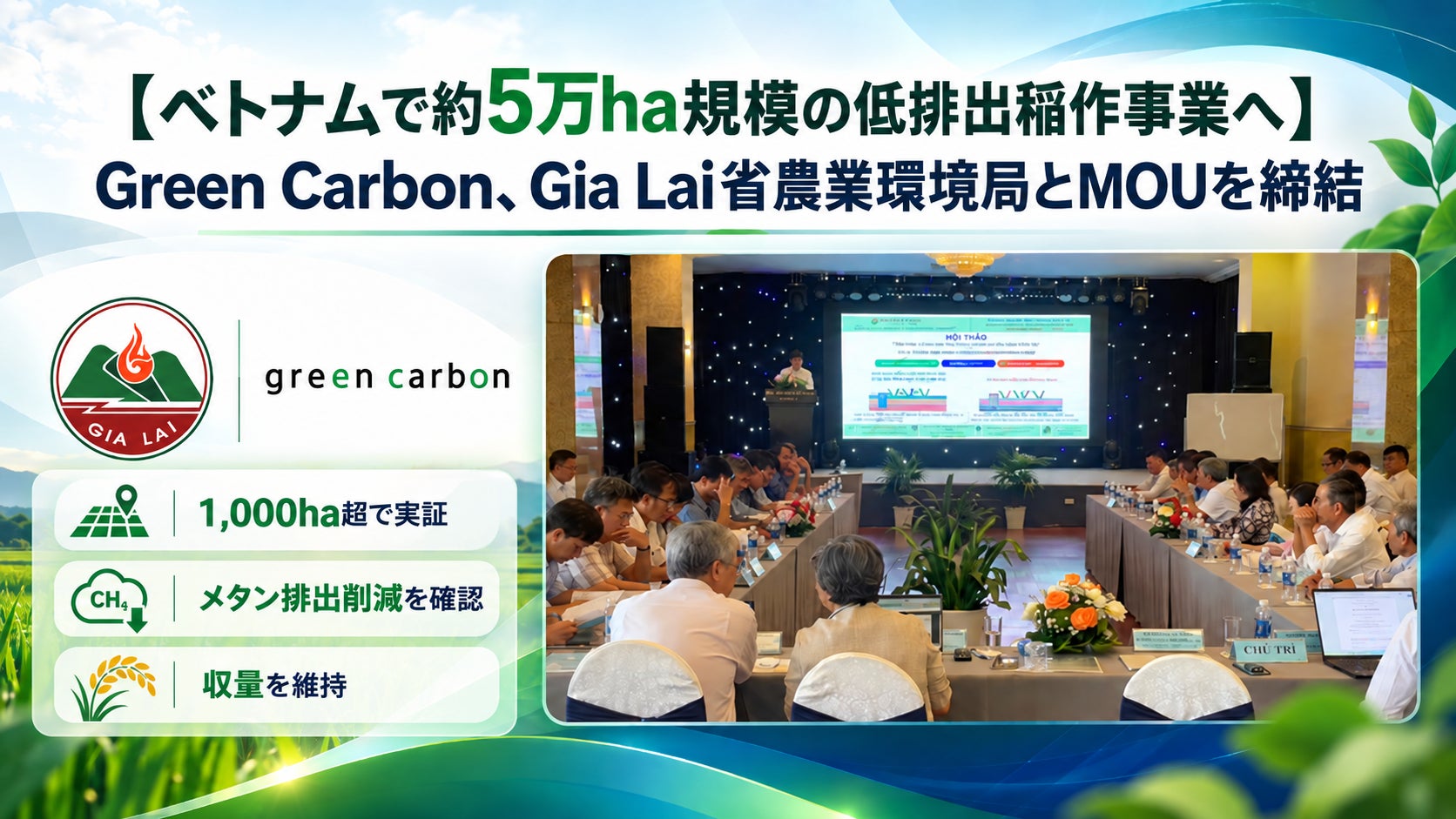
Green Carbon Signs MOU With Vietnam Province to Promote Low-Emission Rice Farming
The Japanese firm signed the agreement with the Gia Lai provincial agriculture authority after a 1,000-hectare trial confirmed methane cuts without lower yields.