Hyundai's hydrogen fuel cell car NEXO tops 50,000 units in South Korea
Adoption is growing in South Korea, but subsidy policy and hydrogen refueling network expansion will be the key issues ahead.
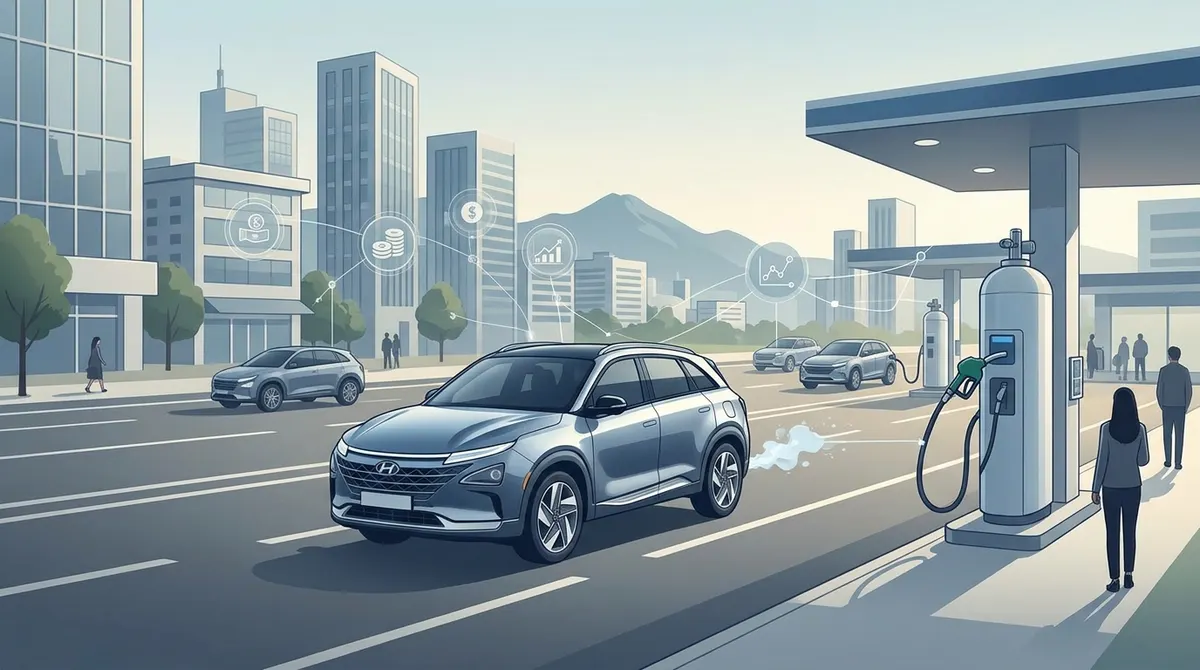
Hyundai Motor Company's hydrogen fuel cell vehicle, the Hyundai NEXO, has surpassed 50,000 units in South Korea. The figure shows that adoption of hydrogen-fueled fuel cell vehicles has reached a certain scale in the country.
Fuel cell vehicles generate electricity by reacting hydrogen stored in a tank with oxygen in the air, and use that electricity to drive a motor. The only emission during driving is water, and the vehicles do not emit carbon dioxide.
A fuel cell is a device that generates electricity by reacting hydrogen with oxygen. Unlike electric vehicles, which recharge an onboard battery, these cars are refueled with hydrogen and drive while generating power. Hydrogen is light and is generally transported in high-pressure tanks.
The two points to watch going forward are subsidies and the hydrogen refueling network. Fuel cell vehicles are expensive to buy, so the size and continuity of subsidies that support purchases will affect how fast adoption grows. Meanwhile, if there are few hydrogen stations, drivers cannot refuel routinely, which makes it harder for use to spread.
Hydrogen refueling stations are facilities that supply hydrogen to vehicles. As the number of vehicles grows, the placement and profitability of stations will be questioned. As with rapid chargers for electric vehicles, infrastructure development and vehicle adoption affect each other.
The spread of hydrogen fuel cell vehicles is debated differently depending on use, including passenger cars, buses and trucks. Passenger cars face a shortage of hydrogen refueling networks, while long-distance commercial vehicles are said to benefit from fast hydrogen refueling. However, which applications choose hydrogen will depend on the outlook for cost and supply volume.
Fuel cell vehicles are distinguished by short refueling times and long driving range. Compared with electric vehicles, which take time to charge, hydrogen refueling is said to take only a short time. To make the most of these advantages, the number of vehicles and hydrogen stations must grow at the same time.
Attention will focus on how subsidy programs change and how far new hydrogen stations are built. Whether vehicle numbers keep rising depends on whether the market can stand on its own without relying on subsidies.
BLUE NOVA Hydrogen Journal view
Hydrogen fuel cell vehicles only take off when both the system that converts the car's fuel into electricity and the facilities that supply hydrogen are in place. The 50,000-unit milestone shows that South Korea has advanced adoption of hydrogen vehicles to a certain extent. However, dependence on subsidies and the spread of hydrogen refueling networks remain problems to solve. Whether growth in vehicle numbers can be sustained depends on these two developments.
Source: 매일경제
This article was written by the editors based on the cited report and translated from Japanese. AI is used to assist in writing and translation.
More news
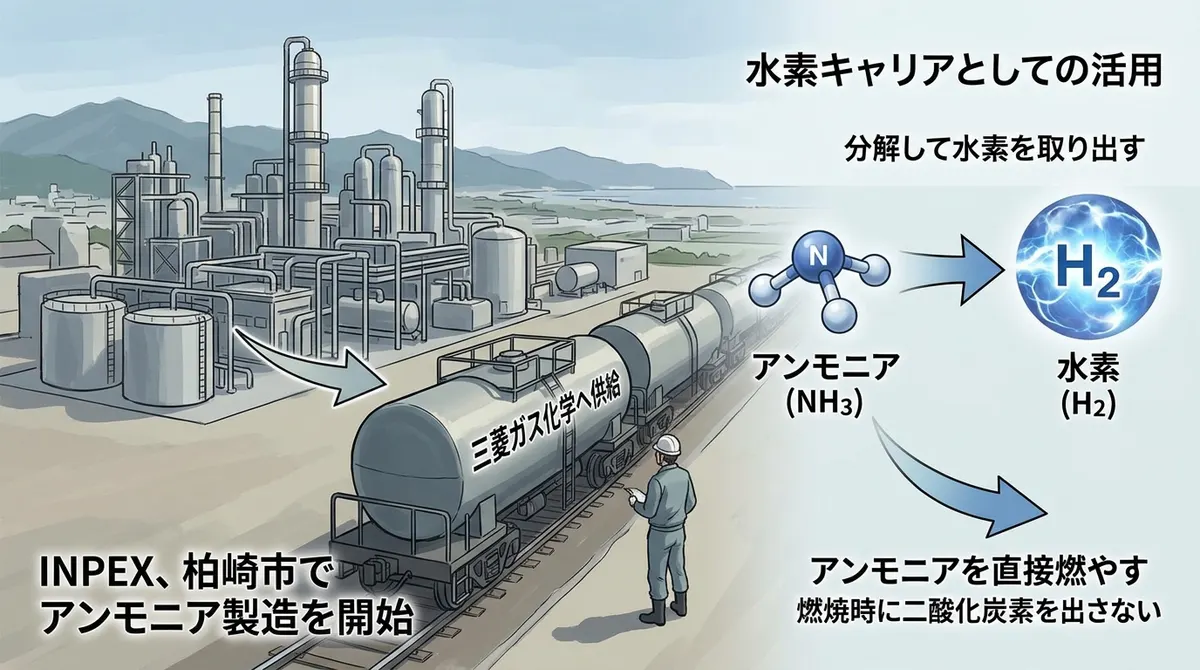
INPEX begins ammonia production in Kashiwazaki, supplies Mitsubishi Gas Chemical
Ammonia made in Kashiwazaki City, Niigata Prefecture, will be supplied to Mitsubishi Gas Chemical, drawing attention as a carrier of hydrogen.

Omron to launch KPTP-B series integrating solar power, battery storage systems and V2H systems
Omron plans to release the KPTP-B series, a lineup that handles solar generation, battery storage and V2H connections as a single system.

Toho Gas, Toyota Tsusho to produce biogas from sugarcane residue in Brazil
The two companies will work on biogas production from sugarcane residue in Brazil, though output and costs have not been disclosed.

Green Carbon Signs MOU With Vietnam Province to Promote Low-Emission Rice Farming
The Japanese firm signed the agreement with the Gia Lai provincial agriculture authority after a 1,000-hectare trial confirmed methane cuts without lower yields.