Konoike Construction to produce biogas from dairy cow manure in Shizuoka without producing wastewater
Konoike Construction is developing a biogas production project in Shizuoka Prefecture that uses dairy cow manure and produces no liquid waste.

Konoike Construction is moving ahead in Shizuoka Prefecture with a project to produce biogas from dairy cow manure. The project is reported to be notable for a system that produces no wastewater. It is seen as aimed at using livestock manure as a resource while reducing the burden of processing it.
Biogas is gas produced when food waste, livestock manure and urine are fermented by microorganisms. Its main component is methane, which can be used as fuel or for power generation. On dairy farms, how to dispose of the large volumes of dairy cow manure produced has long been a challenge.
In general, biogas production leaves a liquid residue after organic matter is broken down in a fermentation tank. This residue, known as digestate, is sometimes used as fertilizer, but large amounts increase the burden of storage and spreading. A method that limits liquid discharge therefore carries significant practical meaning for operators.
Biogas has three main uses: power generation, heat supply, and refining into a fuel close to city gas. Which use is chosen depends on the scale of the facility, nearby demand and the conditions for equipment investment.
If livestock manure is not properly treated, it can cause foul odors and water pollution. Biogas conversion has been adopted in various regions as a way to curb these environmental problems while recycling manure as a resource. Introducing it in dairy areas also serves to link local agriculture with renewable energy.
Methane is a gas with a greater greenhouse effect than carbon dioxide. When livestock manure is left piled in open fields or untreated, methane escapes into the atmosphere. Recovering methane through fermentation and using it as fuel is significant from a decarbonization standpoint because it reduces releases into the air.
Key points to watch include the scale of the facility, when operations begin, and how far a system that produces no wastewater can operate stably in actual practice. The spread of the approach to dairy regions facing the same challenge will also shape how the project is assessed.
BLUE NOVA Hydrogen Journal view
Dairy manure is produced in large volumes and is laborious to process. Fermenting it to recover biogas, while limiting liquid discharge, is meaningful as a way to turn manure into a resource with less environmental impact. Because biogas can be used as fuel, the effort also contributes to decarbonization by reducing dependence on fossil fuels. This Shizuoka case is worth following as a move to connect agriculture with renewable energy.
Source: 日本経済新聞
This article was written by the editors based on the cited report and translated from Japanese. AI is used to assist in writing and translation.
More news

Kyoto University Takes Step Toward Hydrogen Production With MOF Glass Membrane
Kyoto University developed a membrane material that operates at the temperature of steam from factory wastewater, a step toward using waste heat for hydrogen production.
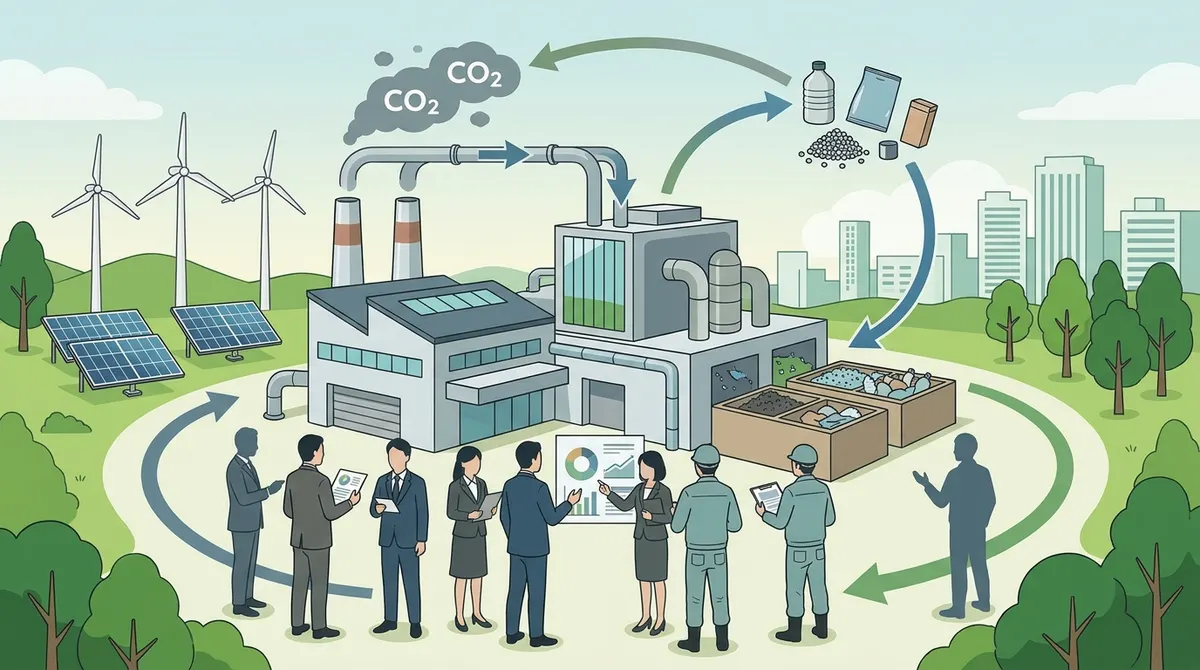
Environment Ministry Plans Public-Private Group for Circular Economy
The Ministry of the Environment has announced plans to set up a public-private organization to promote a circular economy, including carbon dioxide capture and plastic recycling.
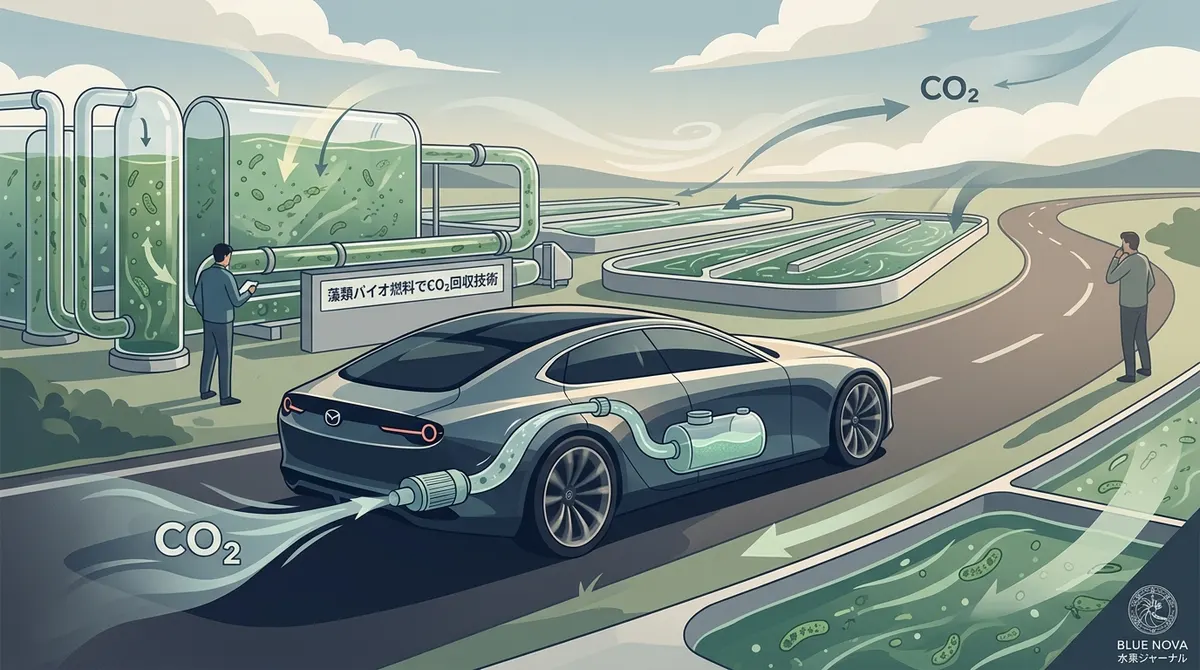
Mazda Aims to Capture CO2 During Driving With Algae Biofuel in the 2030s
Mazda is aiming to commercialize in the 2030s a technology that uses biofuel made from algae to capture carbon dioxide emitted while vehicles are driven.
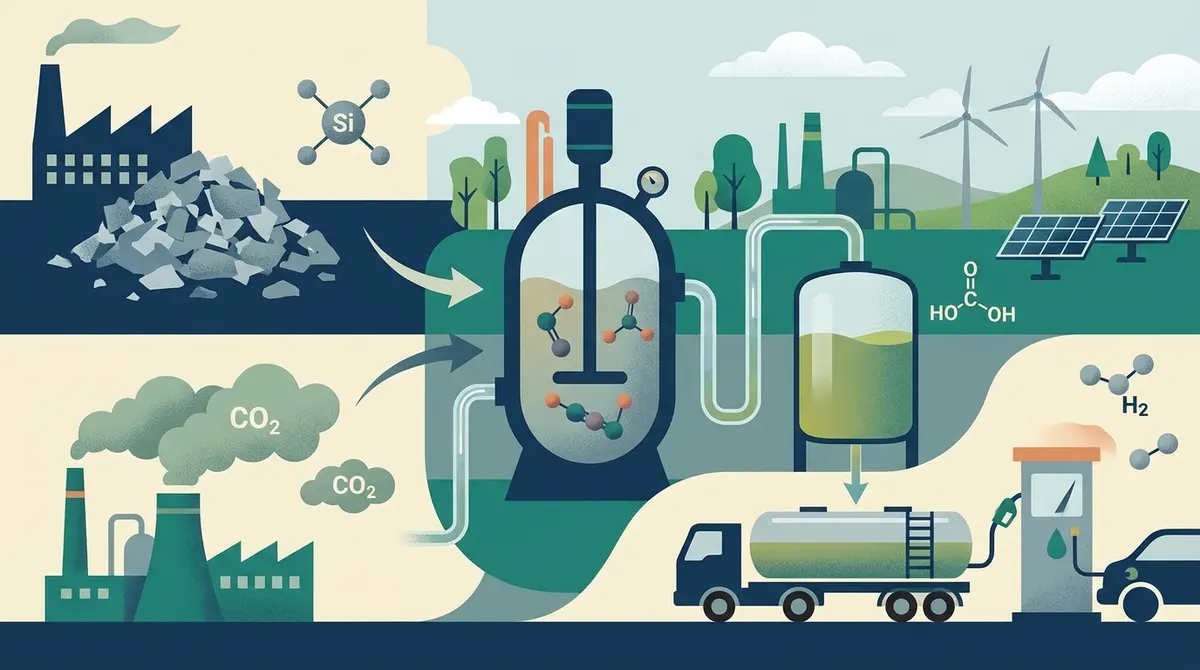
Chugoku Electric, Three Partners Start Research on Hydrogen Carrier From Waste Silicon
Four entities including Chugoku Electric Power have begun research to produce a formic acid hydrogen carrier from waste silicon and carbon dioxide.