Konoike Construction launches Japan's first methane fermentation plant in Fujinomiya
Konoike Construction has started operating a methane fermentation plant in Fujinomiya City that uses a method adopted in Japan for the first time.

Konoike Construction has started operating a methane fermentation plant in Fujinomiya, Shizuoka Prefecture. It is the first plant in Japan to adopt this method. Methane fermentation is a process in which microorganisms break down organic waste, such as food residue and livestock manure, producing biogas that is mainly methane. The gas is used for power generation and heat, and the digestate left after decomposition is used as fertilizer.
The business has three main sources of revenue. The first is processing fees, which are paid by businesses and local governments when they deliver waste to the facility. The second is income from selling electricity generated from the biogas. This income is key to the project's stability when the feed-in tariff for renewable energy or the FIP system, which pays a premium above market prices, applies. The third is income from selling heat and from selling digestate as fertilizer.
On the cost side, the initial equipment investment and maintenance of pumps and agitators account for a large share. Operating costs also include the expense of transporting raw materials to the facility and of handling and hauling the digestate left after fermentation. Whether the facility can secure the volume of waste and the power output it expects will determine profitability.
In contrast with similar projects, many facilities in Japan have been built to handle sewage sludge and wastewater from food factories. Different target materials and methods change whether pretreatment is needed, the composition of the gas and the properties of the digestate. The fact that this plant uses a method described as Japan's first is likely to serve as a reference for waste treatment planning in other regions.
From a decarbonization standpoint, replacing fossil fuel energy with biogas produced through methane fermentation can reduce CO2 emissions by that amount. The reduction varies depending on the type of raw material, power generation efficiency and how much existing fuel is replaced, so it cannot be expressed as a single figure. Reductions are generally evaluated in t-CO2.
Key points to watch include whether the plant can operate stably and receive raw materials as planned, how many outlets are secured for digestate, and whether electricity sales and heat sales produce income as expected. Results after operations begin will be an important factor for local governments and operators planning similar facilities.
BLUE NOVA Hydrogen Journal view
The start of operations shows that a system turning food waste and other waste into local energy and fertilizer resources can be implemented in Japan using a new method. Methane fermentation is relevant to both decarbonization and a recycling-oriented society because it can handle waste disposal and renewable energy generation at the same time. Viability depends on the volume and quality of materials received, income from electricity and heat sales, and securing outlets for digestate. The project offers a useful reference for local governments and operators considering similar facilities.
Source: Dellows News
This article was written by the editors based on the cited report and translated from Japanese. AI is used to assist in writing and translation.
More news

Kyoto University Takes Step Toward Hydrogen Production With MOF Glass Membrane
Kyoto University developed a membrane material that operates at the temperature of steam from factory wastewater, a step toward using waste heat for hydrogen production.
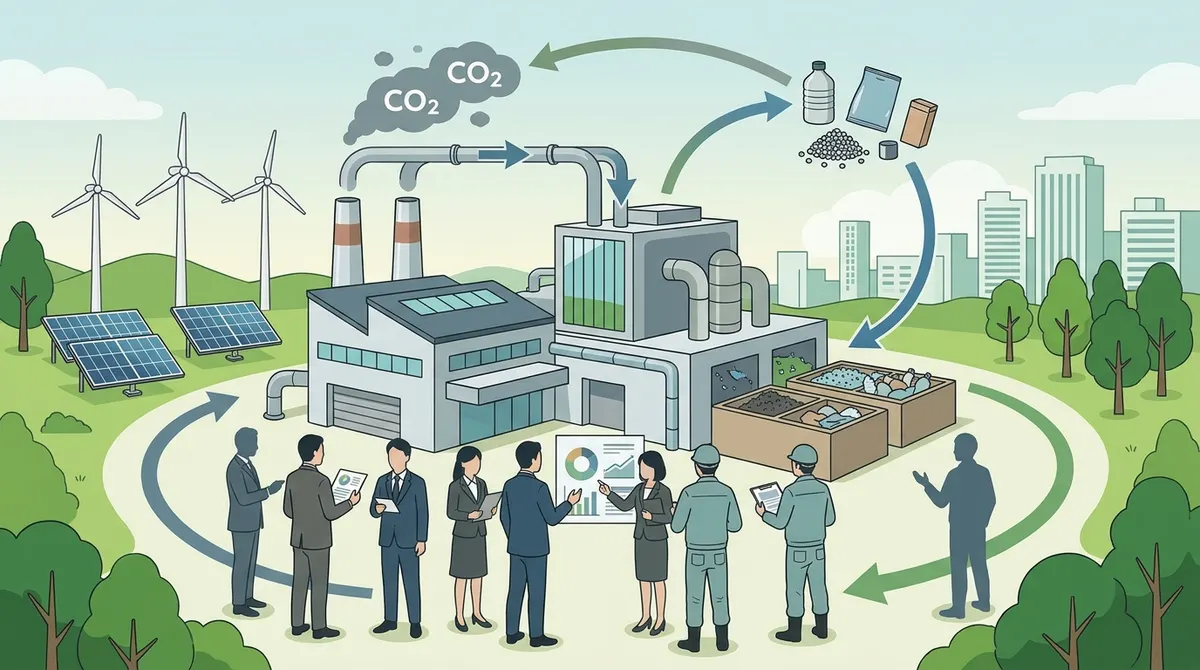
Environment Ministry Plans Public-Private Group for Circular Economy
The Ministry of the Environment has announced plans to set up a public-private organization to promote a circular economy, including carbon dioxide capture and plastic recycling.
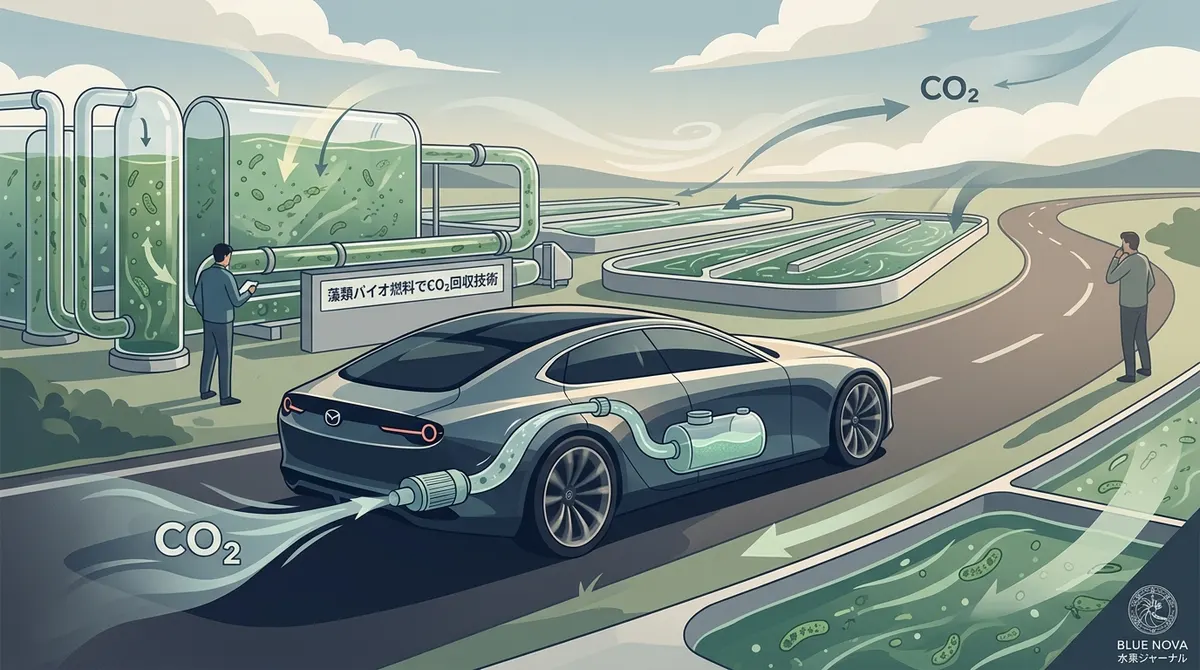
Mazda Aims to Capture CO2 During Driving With Algae Biofuel in the 2030s
Mazda is aiming to commercialize in the 2030s a technology that uses biofuel made from algae to capture carbon dioxide emitted while vehicles are driven.
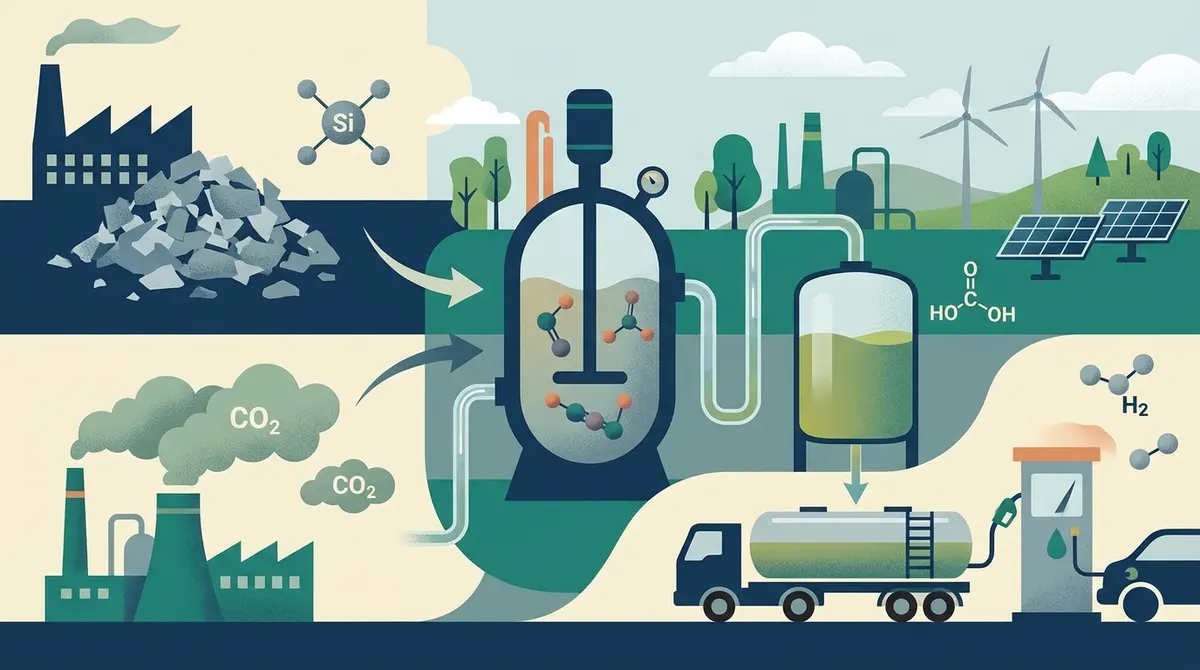
Chugoku Electric, Three Partners Start Research on Hydrogen Carrier From Waste Silicon
Four entities including Chugoku Electric Power have begun research to produce a formic acid hydrogen carrier from waste silicon and carbon dioxide.