Hokkaido sewage biogas clean gas certificates supplied to meet Scope 1 emissions cuts
Clean gas certificates derived from sewage biogas in Hokkaido have been supplied to meet corporate demand for reducing Scope 1 greenhouse gas emissions.

Clean gas certificates derived from biogas generated at sewage facilities in Hokkaido have been supplied to meet demand for reducing Scope 1 greenhouse gas emissions. The key feature is that environmental value is traded as a certificate rather than as the gas itself.
Scope 1 refers to greenhouse gas emissions released directly from facilities and vehicles that a company owns or controls. Typical examples are emissions from the use of city gas and the combustion of fuel, and reducing them requires switching fuels or using renewable gas.
Sewage biogas is gas produced by anaerobically fermenting sludge generated during sewage treatment. Its main component is methane, and it has traditionally been used for power generation and as fuel within facilities. Efforts to use it effectively as energy are advancing in various regions.
Clean gas certificates are a mechanism for trading, in the form of certificates, the environmental value attributed to gas derived from renewable sources. Because only the value can be transferred separately from the physical supply of gas, customers beyond the reach of gas pipelines can still demonstrate the use of renewable-derived energy.
Corporate carbon neutrality targets often require Scope 1 and Scope 2 reductions to come first. When a company finds it difficult to change its fuels itself, certificates become a realistic option. However, it is necessary to understand that certificates are an accounting adjustment to emissions and do not reduce the physical emissions of a facility.
This initiative is an effort to connect a byproduct of existing infrastructure, sewage treatment, to companies' decarbonization needs. As a case in Hokkaido, it serves as an example of how local biogas use can be linked to decarbonization demand. Future developments will be closely watched.
BLUE NOVA Hydrogen Journal view
The significance of this case lies in connecting sewage biogas to corporate emissions reduction needs as certificates rather than as gas itself. By separating energy derived from infrastructure as environmental value, the option of demonstrating Scope 1 reductions expands even for industries where fuel switching is difficult. However, certificates are an accounting adjustment and do not reduce actual emission sources. How companies use certificates and which scope of emissions they cover will determine the credibility of this mechanism. As an example of linking Hokkaido's sewage resources to decarbonization demand across the country, it is a useful indicator of how far the system will spread.
Source: 環境ビジネスオンライン
This article was written by the editors based on the cited report and translated from Japanese. AI is used to assist in writing and translation.
More news
Asuene to Support CO2 Emissions Calculations for Osaka Marathon 2027 Event
Asuene has signed a sustainability partnership with the Osaka Marathon Foundation to measure CO2 emissions before and after the February 28, 2027, race.
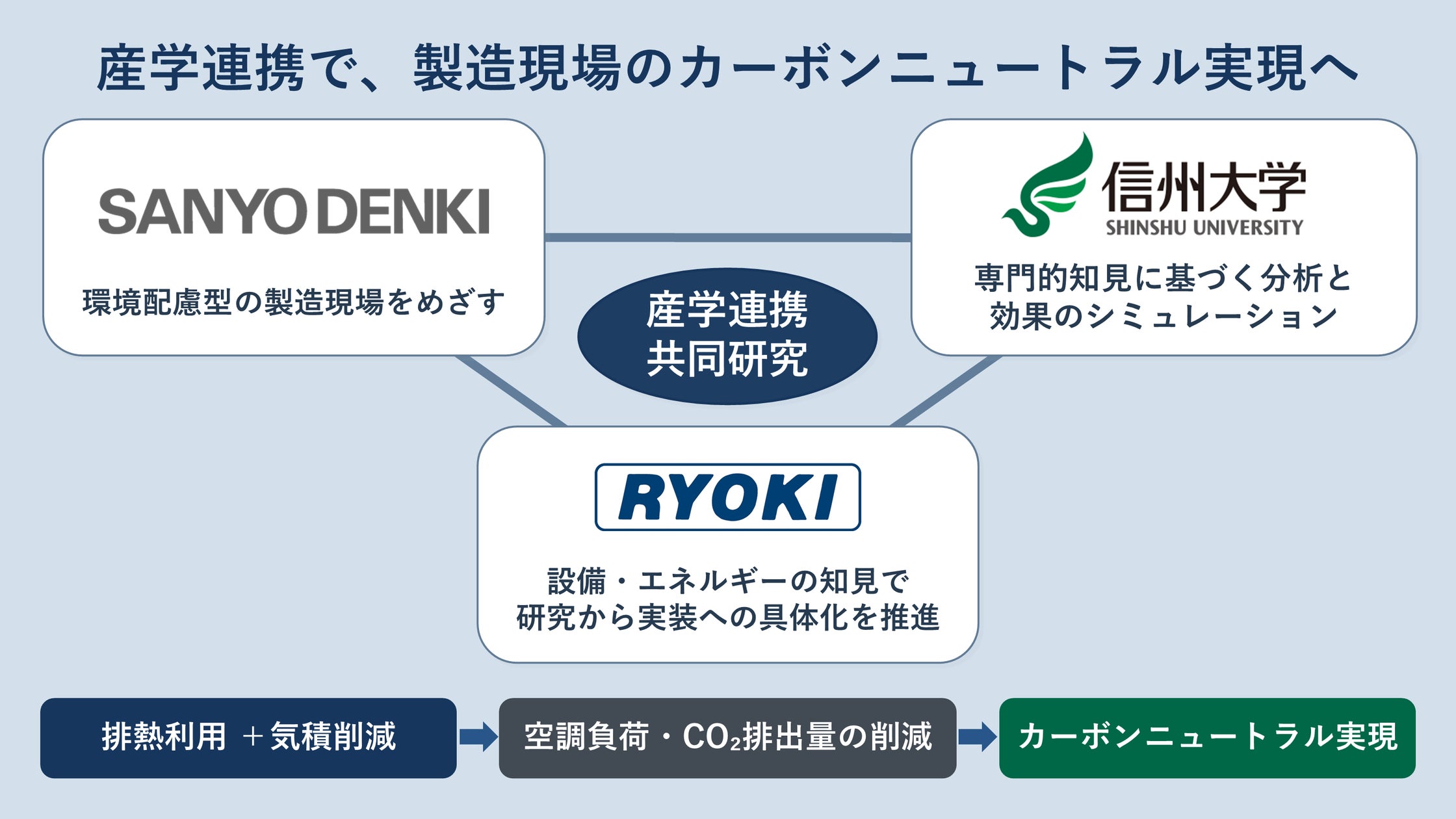
Sanyo Denki Factory Tests Waste Heat Reuse and Air Volume Cuts in Joint Study
Ryoki Kogyo said its joint study with Shinshu University and Sanyo Denki examined waste heat and unused space at a factory in Ueda through field measurements and analysis.

Kose Holdings outlines plan to use green hydrogen to decarbonize cosmetics manufacturing
Kose Holdings said it will use green hydrogen in cosmetics production as part of its drive to cut emissions in manufacturing.

Choshu Industry starts mass production of thin tandem perovskite solar cells
Choshu Industry has begun mass production of tandem perovskite solar cells, a thin, lightweight and bendable next-generation technology.