Kose Holdings outlines plan to use green hydrogen to decarbonize cosmetics manufacturing
Kose Holdings said it will use green hydrogen in cosmetics production as part of its drive to cut emissions in manufacturing.

Kose Holdings said it will replace energy used in its cosmetics manufacturing processes with green hydrogen to advance decarbonization at the production stage. The cosmetics industry has focused on the environmental impact of raw materials and packaging, but a movement to address emissions during manufacturing is also emerging.
Green hydrogen refers to hydrogen produced by electrolyzing water using electricity from renewable energy sources. Its key feature is that it emits no carbon dioxide during production. Hydrogen made by reforming natural gas, by contrast, is called gray hydrogen and emits CO2 during production. Hydrogen produced together with the capture and storage of the CO2 it generates is distinguished as blue hydrogen.
Hydrogen's uses are expanding to include fuel cells, power generation, and industrial heat sources and feedstocks. When it is built into cosmetics manufacturing, the approach will center on switching energy sources in the same way.
In efforts to decarbonize, the benchmark for evaluation is how far CO2 emitted during manufacturing can be reduced. Changing the source of electricity is being considered by many industries as a way to cut emissions without major changes to equipment.
The production cost of hydrogen depends on the price of renewable electricity and the cost of electrolysis equipment, so green hydrogen tends to cost more than conventional hydrogen. Whether to prioritize cost or emissions reductions is a decision for each company.
Cosmetics are subject to strict quality control, and switching manufacturing equipment requires verifying quality. For decarbonization, the challenge is how to balance capital investment with maintaining quality.
From a consumer perspective, manufacturing methods are increasingly weighed as a factor when choosing environmentally friendly products. When companies announce decarbonization of their manufacturing, they are expected to clarify which processes will be changed and what will be replaced.
Next, attention will focus on the announcement of specific introduction timelines and target processes. If the sourcing method and volume of hydrogen are disclosed, the scale and effects of the initiative can be judged more concretely.
BLUE NOVA Hydrogen Journal view
Kose's initiative draws attention because it applies hydrogen to decarbonize manufacturing in the cosmetics industry. The environmental impact of raw materials and packaging is often discussed, but the energy used in production has tended to be overlooked. Green hydrogen is significant because it emits no CO2 during production, but it faces cost and supply constraints. Going forward, specifics on which processes will adopt it and how much emissions will fall will be key to evaluating the effort.
Source: 週刊粧業オンライン
This article was written by the editors based on the cited report and translated from Japanese. AI is used to assist in writing and translation.
More news
Asuene to Support CO2 Emissions Calculations for Osaka Marathon 2027 Event
Asuene has signed a sustainability partnership with the Osaka Marathon Foundation to measure CO2 emissions before and after the February 28, 2027, race.
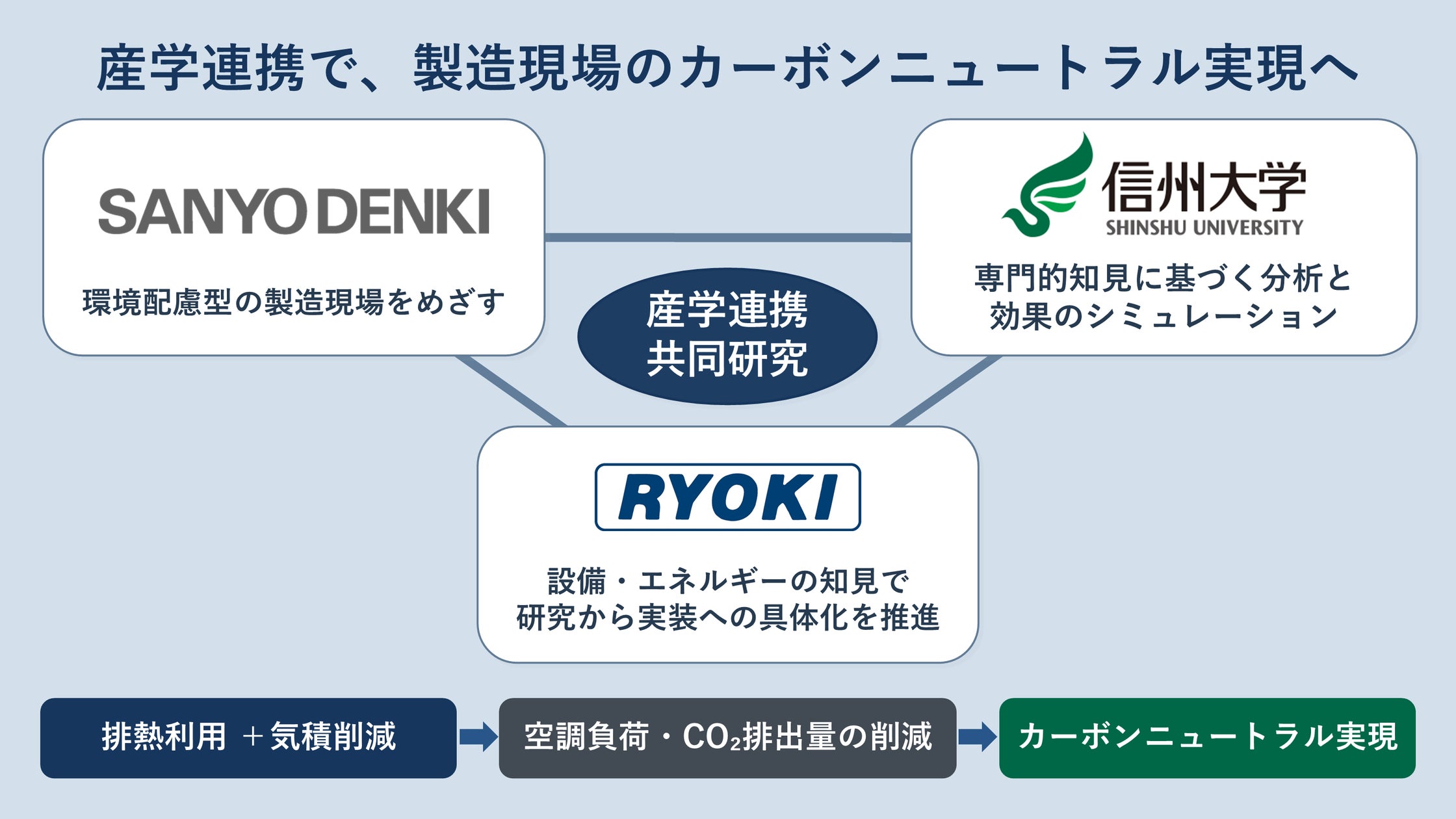
Sanyo Denki Factory Tests Waste Heat Reuse and Air Volume Cuts in Joint Study
Ryoki Kogyo said its joint study with Shinshu University and Sanyo Denki examined waste heat and unused space at a factory in Ueda through field measurements and analysis.

Choshu Industry starts mass production of thin tandem perovskite solar cells
Choshu Industry has begun mass production of tandem perovskite solar cells, a thin, lightweight and bendable next-generation technology.

Florence biogas plant joins gas grid, targeting 6.5 million cubic meters of biomethane
Plures' Casa Sartori plant has been connected to Snam's gas network and aims to produce 6.5 million cubic meters of biomethane by 2026.