Hyundai Motor Group proposes robotic hydrogen refueling for municipal cleaning trucks
Hyundai Motor Group outlined a vision for hydrogen-powered commercial vehicles that includes automated refueling of municipal cleaning trucks.

Hyundai Motor Group has presented a vision in which robots refuel municipal cleaning trucks with hydrogen, as an outlook for hydrogen-powered commercial vehicles. The key point of the announcement is that it concretely illustrates how hydrogen commercial vehicles could be used.
Municipal cleaning trucks often run fixed routes at set times and return to a depot for refueling at the end of their shifts. Vehicles that return to the same place every day make it easier to consolidate refueling equipment in one location, and are considered a use case in which hydrogen refueling infrastructure can advance first. Automated robotic refueling reduces the work for drivers and allows refueling to be done without relying on manual labor.
Hydrogen is sent to a fuel cell, where it reacts with oxygen in the air to produce electricity. The main byproduct is water, and no carbon dioxide is emitted during driving. However, the amount of carbon dioxide emitted during hydrogen production varies greatly depending on the method. Hydrogen produced by splitting water with electricity from renewable energy is called green hydrogen, while hydrogen produced by reforming natural gas without capturing the resulting CO2 is called gray hydrogen.
Commercial vehicles travel longer distances per vehicle than passenger cars and are heavier, so electrification has been considered difficult. Installing large batteries affects vehicle weight and payload capacity. Fuel cell vehicles are said to require less time to refuel and suit vehicles that travel long distances. Because municipal cleaning trucks cover a somewhat fixed distance, it is easier to consider how to divide use between hydrogen and battery-electric vehicles.
Hydrogen refueling stations are being built around the world, but their spread is still in progress. Refueling equipment handles high-pressure hydrogen, so design and operation in line with safety standards are essential. Robotic refueling is also meaningful because it automates the operation of this equipment and reduces situations in which people must approach high-pressure equipment.
The key point to watch going forward is whether the concept moves on to trials or demonstrations. Municipal waste collection is highly public in nature, and plans are often made in line with vehicle replacement cycles. The cost of hydrogen supply and the cost of building refueling facilities will strongly influence adoption decisions.
BLUE NOVA Hydrogen Journal view
Hydrogen-powered commercial vehicles are a field where practical use is likely to be explored in work vehicles before passenger cars. Municipal cleaning trucks have fixed routes and return depots, making it easier to consolidate refueling equipment. The idea of automated robotic refueling points toward separating the labor of refueling from human workers. The environmental value of hydrogen depends on how it is produced, and whether the concept becomes reality will depend on supply costs and the development of safety regulations.
Source: 매일경제
This article was written by the editors based on the cited report and translated from Japanese. AI is used to assist in writing and translation.
More news
Asuene to Support CO2 Emissions Calculations for Osaka Marathon 2027 Event
Asuene has signed a sustainability partnership with the Osaka Marathon Foundation to measure CO2 emissions before and after the February 28, 2027, race.
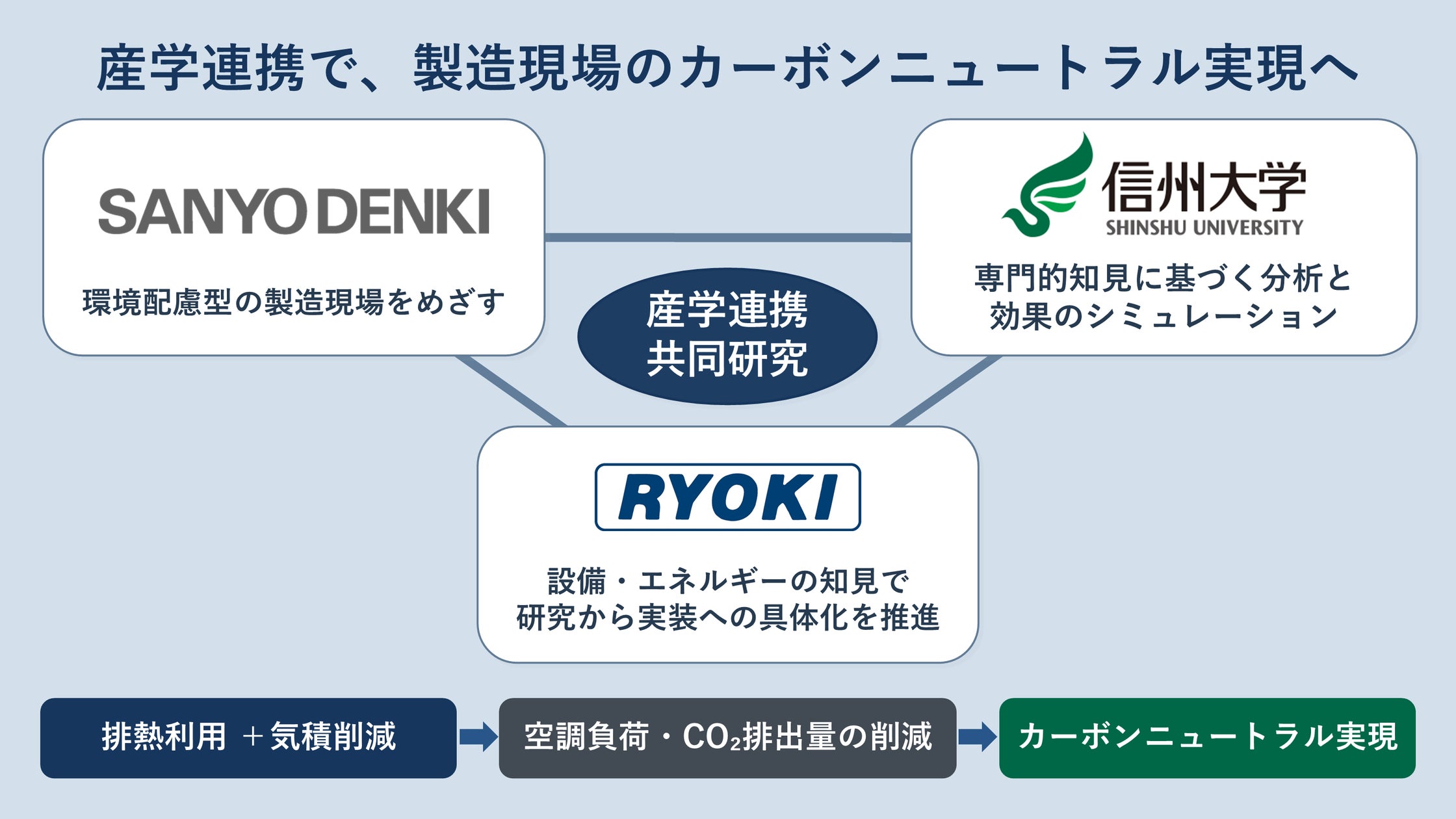
Sanyo Denki Factory Tests Waste Heat Reuse and Air Volume Cuts in Joint Study
Ryoki Kogyo said its joint study with Shinshu University and Sanyo Denki examined waste heat and unused space at a factory in Ueda through field measurements and analysis.

Kose Holdings outlines plan to use green hydrogen to decarbonize cosmetics manufacturing
Kose Holdings said it will use green hydrogen in cosmetics production as part of its drive to cut emissions in manufacturing.

Choshu Industry starts mass production of thin tandem perovskite solar cells
Choshu Industry has begun mass production of tandem perovskite solar cells, a thin, lightweight and bendable next-generation technology.