Hyundai Motor Group unveils upgraded hydrogen fuel cell for commercial vehicles
Hyundai Motor Group showed a durability-enhanced hydrogen fuel cell for commercial vehicles for the first time, along with a demonstration of an unmanned refueling robot.

Hyundai Motor Group unveiled a new version of its hydrogen fuel cell for commercial vehicles, with enhanced durability, for the first time. At the same time, a robot that refuels vehicles without a human operator was demonstrated. The effort, which aims to improve performance and reduce the labor needed for refueling as hydrogen-powered vehicles spread, is drawing attention.
A fuel cell is a device that generates electricity by reacting hydrogen with oxygen. Because power is generated through a chemical reaction rather than combustion, the main byproduct is water, and it emits no carbon dioxide. The electricity generated drives a motor, giving it the same electric drive system as an electric vehicle.
Commercial vehicles travel longer distances and operate more hours a day than passenger cars. As a result, fuel cells for these vehicles must be durable enough to withstand long hours of driving. Suppressing electrode degradation and performance loss caused by repeated starts and stops is considered a key challenge for commercialization. The durability upgrade directly addresses this challenge.
polymer electrolyte membrane (PEM) fuel cells operate at relatively low temperatures and start up quickly, so they are widely used in vehicles. In vehicles, hydrogen is typically stored in high-pressure tanks. The capacity of the tanks and the speed of refueling determine how far a vehicle can travel on a single run and how efficiently it operates.
Hydrogen is categorized by how it is produced. Producing it by reforming natural gas emits carbon dioxide during manufacturing. Splitting water by electrolysis powered by renewable energy can reduce emissions during production. For hydrogen used in fuel cell vehicles, the production method determines its environmental performance.
Automating refueling is also an important issue for the spread of commercial vehicles. Large vehicles take time for drivers to connect to the refueling port, so vehicle operations would become more efficient if the process could be unmanned. Automated robotic refueling could also support longer hours of operation at refueling stations. However, ensuring safety and standardizing specifications are prerequisites.
Going forward, attention will focus on how long the improved durability is verified in operation and how far real-vehicle testing progresses. Because the supply infrastructure for hydrogen and vehicle adoption affect each other, validation together with refueling facilities will be needed.
BLUE NOVA Hydrogen Journal view
The announcement shows a commitment to addressing two challenges that are essential for extending hydrogen fuel cells from passenger cars to commercial vehicles: durability and reducing the labor required for refueling. Because operating hours directly affect performance in commercial use, improvements in durability will bear directly on purchase decisions. Still, the unmanned refueling robot is at the demonstration stage, and safety in real operations and the development of standards remain future challenges. Viewing the technology alongside hydrogen production methods and supply network development will clarify the conditions for its wider adoption in society.
Source: BigGo ファイナンス
This article was written by the editors based on the cited report and translated from Japanese. AI is used to assist in writing and translation.
More news
Asuene to Support CO2 Emissions Calculations for Osaka Marathon 2027 Event
Asuene has signed a sustainability partnership with the Osaka Marathon Foundation to measure CO2 emissions before and after the February 28, 2027, race.
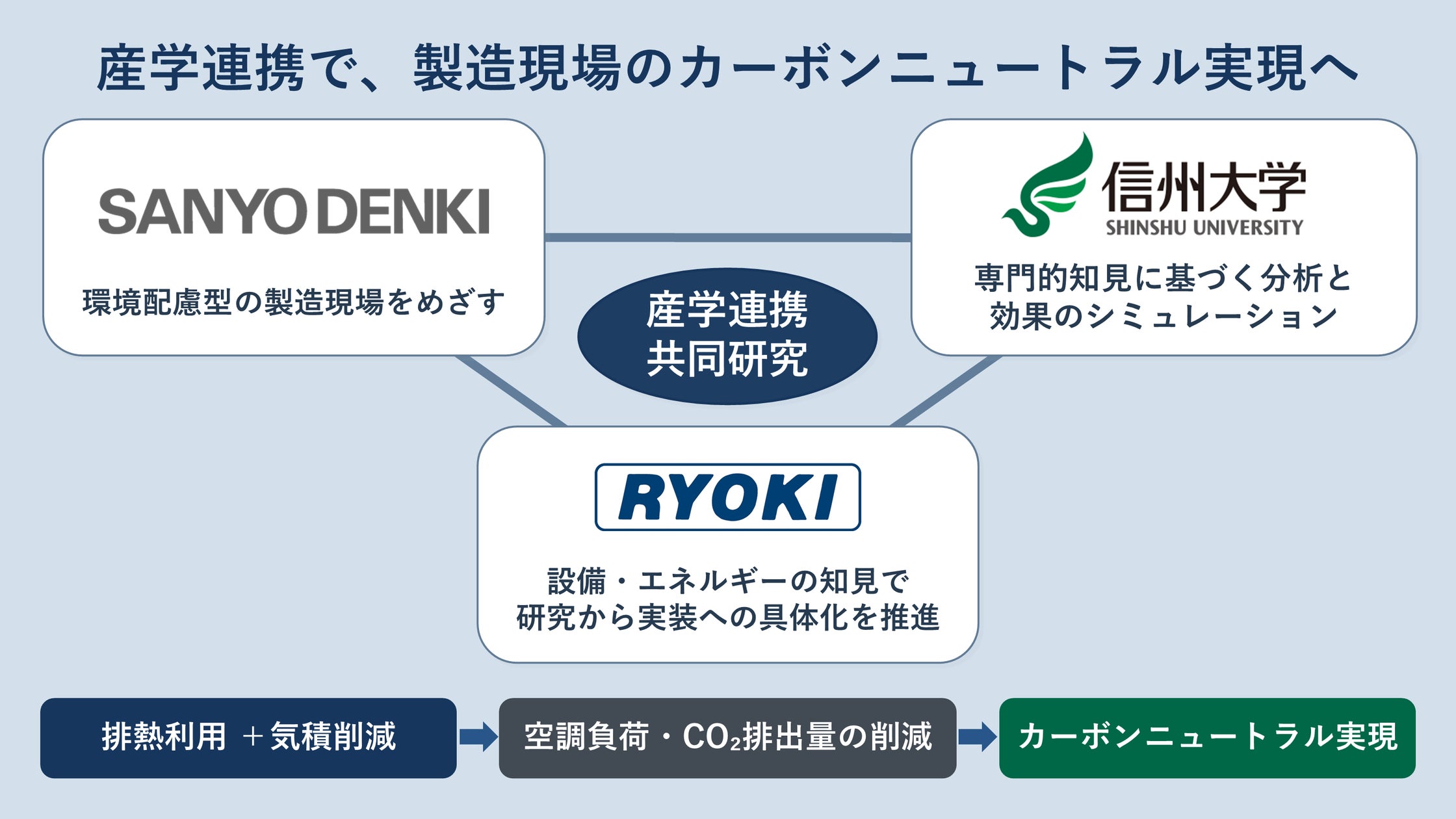
Sanyo Denki Factory Tests Waste Heat Reuse and Air Volume Cuts in Joint Study
Ryoki Kogyo said its joint study with Shinshu University and Sanyo Denki examined waste heat and unused space at a factory in Ueda through field measurements and analysis.

Kose Holdings outlines plan to use green hydrogen to decarbonize cosmetics manufacturing
Kose Holdings said it will use green hydrogen in cosmetics production as part of its drive to cut emissions in manufacturing.

Choshu Industry starts mass production of thin tandem perovskite solar cells
Choshu Industry has begun mass production of tandem perovskite solar cells, a thin, lightweight and bendable next-generation technology.