Toyota Tsusho, Toho Gas to Demonstrate Biogas Production From Sugarcane Residue in Brazil
The companies say their plan was selected under a Ministry of Economy, Trade and Industry program, with the selection dated October 2026.

Toyota Tsusho Corp. and Toho Gas Co. said they will move ahead with a demonstration project to produce biogas from sugarcane residue in Brazil. The companies' plan was selected for a program run by the Ministry of Economy, Trade and Industry. The announcement materials indicate the selection took place in October 2026.
The demonstration targets residue left in fields after sugarcane harvests. The plan appears to involve fermenting organic matter such as bagasse, a byproduct of sugar and ethanol production, with microorganisms to extract a gas composed mainly of methane. Specific figures such as scale and output have not been disclosed.
Biogas is a methane-rich gas produced by fermenting food waste and livestock manure with microorganisms. The digestate left after fermentation can be used as fertilizer, allowing waste treatment and resource recovery to take place at the same time. The gas can be used as fuel, or refined for use as a substitute for city gas.
Using agricultural residue reduces the burden of disposal by incineration or by leaving it to decay. Replacing natural gas derived from fossil fuels would also cut greenhouse gas emissions. However, collecting feedstock, refining the gas and securing customers pose cost and business viability challenges.
Domestic biogas projects have mainly used livestock manure and food waste as feedstock. Targeting overseas agricultural residue differs from domestic cases in the scope of feedstock procurement and the scale of the business.
Source: 株式会社グリーンプロダクション
This article was written by the editors based on the cited report and translated from Japanese. AI is used to assist in writing and translation.
More news

Asuene to Support CO2 Emissions Calculations for Osaka Marathon 2027 Event
Asuene has signed a sustainability partnership with the Osaka Marathon Foundation to measure CO2 emissions before and after the February 28, 2027, race.
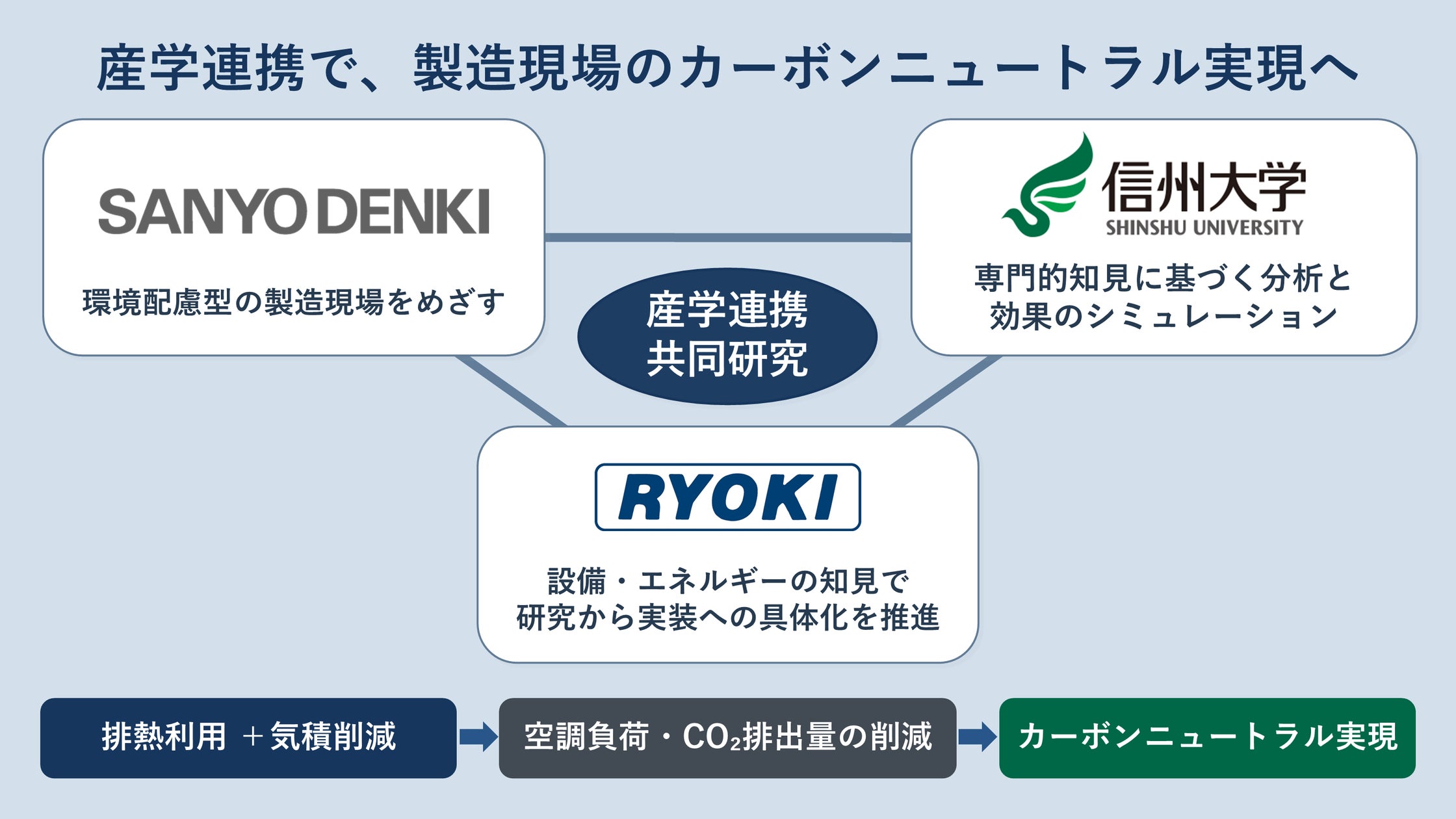
Sanyo Denki Factory Tests Waste Heat Reuse and Air Volume Cuts in Joint Study
Ryoki Kogyo said its joint study with Shinshu University and Sanyo Denki examined waste heat and unused space at a factory in Ueda through field measurements and analysis.

Kose Holdings outlines plan to use green hydrogen to decarbonize cosmetics manufacturing
Kose Holdings said it will use green hydrogen in cosmetics production as part of its drive to cut emissions in manufacturing.

Choshu Industry starts mass production of thin tandem perovskite solar cells
Choshu Industry has begun mass production of tandem perovskite solar cells, a thin, lightweight and bendable next-generation technology.