Japan's First Batch-Type Dry Methane Fermentation Facility Begins Operation at Foot of Mount Fuji
The facility converts organic waste into biogas, creating renewable fuel and energy while marking the first installation of its kind in Japan.

Japan's first "batch-type dry methane fermentation facility" has begun operation at the foot of Mount Fuji. The facility produces biogas from organic waste and is the first of its kind installed in Japan.
Methane fermentation is a technology in which microorganisms decompose organic matter, generating biogas that contains methane. The biogas can be used for fuel and power generation, and the digestate that remains after fermentation can be used as fertilizer.
Dry methane fermentation is a method in which raw materials are fermented with a low moisture content. Compared with wet methods, it uses less water and has the advantage of handling materials with a high solid content more easily.
In the batch method, a fixed amount of raw material is loaded into a tank, fermented for a set period, and then removed. Because intake of materials and fermentation are carried out separately, operations are easier to manage, and the system is said to adapt well to changes in the properties of the raw materials.
Possible uses for the biogas include power generation, heat supply, and conversion to city gas. The ability to treat waste and recover resources at the same time is why this type of facility is drawing attention.
Methane fermentation can use local organic resources such as food waste and livestock manure, and it has been introduced in many regions as a means of supplying energy in a locally circulating system. The new facility is an example of a new method being put into practical use in Japan for the first time.
Attention will focus on the facility's stable operating record and the expansion of uses for the biogas it produces. The key question is how far the effort to turn local resources into fuel will take root.
BLUE NOVA Hydrogen Journal view
Biogas is one of the renewable energy sources that turn waste into resources usable as fuel and heat. The operation at the foot of Mount Fuji is significant because the batch-type dry method has been put into practical use in Japan for the first time. Its ability to reduce water use compared with wet methods is likely to draw interest in terms of raw material diversity and operating costs. Its operating record will be watched as a cycle that turns local organic resources into energy.
Source: 山陽新聞
This article was written by the editors based on the cited report and translated from Japanese. AI is used to assist in writing and translation.
More news
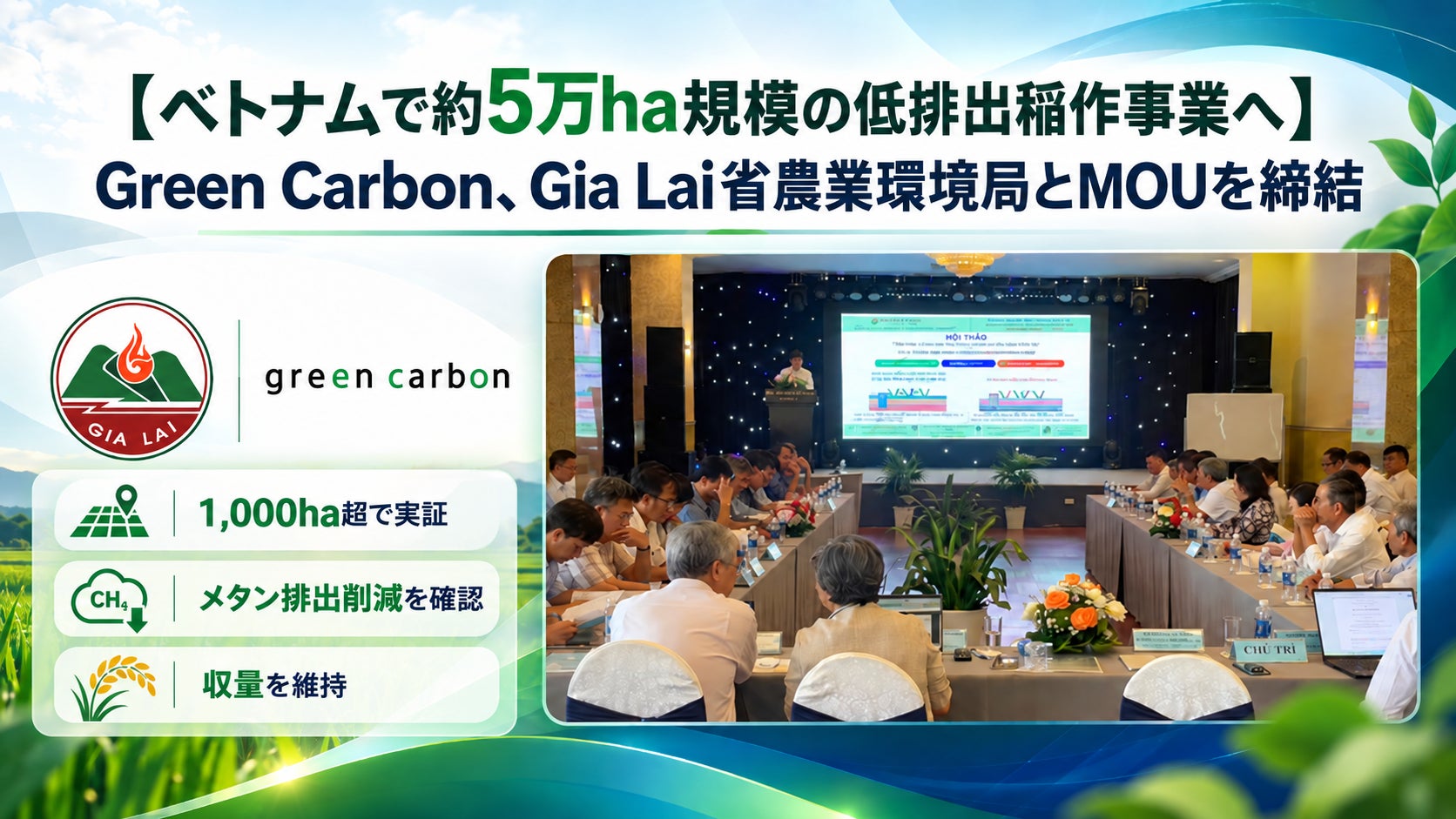
Green Carbon Signs MOU With Vietnam Province to Promote Low-Emission Rice Farming
The Japanese firm signed the agreement with the Gia Lai provincial agriculture authority after a 1,000-hectare trial confirmed methane cuts without lower yields.

Toyota Hilux Hydrogen Fuel Cell Vehicle to Be Built in Thailand From 2027
Plans call for a Hilux pickup equipped with a hydrogen fuel cell to be produced in Thailand starting in 2027.
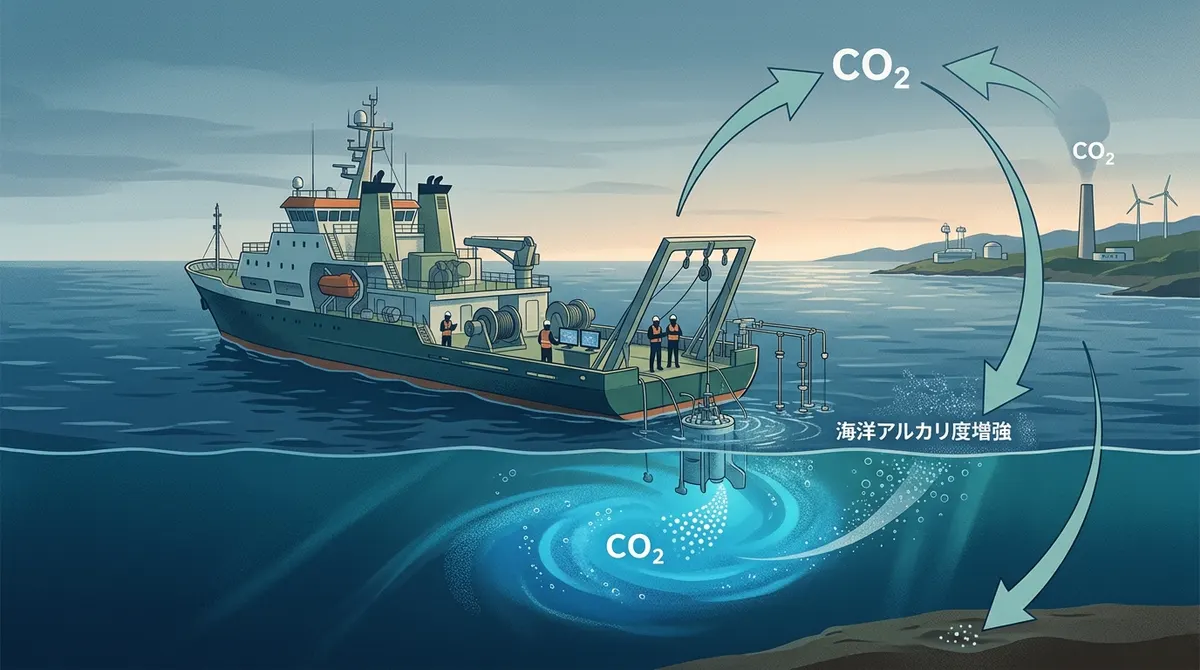
IMO Adopts Framework for Assessing Ocean CO2 Storage, Covering Three Technologies
The International Maritime Organization has adopted an assessment framework for ocean carbon dioxide storage technologies, covering three approaches including ocean alkalinity enhancement.

Study uses platinum-based quaternary alloy catalyst to cut green hydrogen costs
Researchers are testing electrolytic reforming of ethanol with a platinum-based quaternary alloy catalyst to lower the cost of producing green hydrogen.