Toyota Hilux Hydrogen Fuel Cell Vehicle to Be Built in Thailand From 2027
Plans call for a Hilux pickup equipped with a hydrogen fuel cell to be produced in Thailand starting in 2027.

A fuel cell generates electricity by combining hydrogen and oxygen. The main byproduct of this process is water, and the vehicle emits no carbon dioxide while driving. Because the generated electricity powers an electric motor, the drivetrain differs from that of a vehicle with an internal combustion engine.
Hydrogen fuel cell vehicles run on hydrogen stored in tanks on board. Compared with battery electric vehicles, they can be refueled in a shorter time and are considered well suited to long-distance travel and hauling heavy loads, which has drawn attention as one option for electrification.
Expanding hydrogen fuel cell vehicles depends on building out stations that supply hydrogen. Whether vehicle mass production and supply infrastructure both advance will be the key to practical use.
Hydrogen can be produced by splitting water with electricity from renewable energy, yielding so-called green hydrogen, or it can be derived from fossil fuels. Carbon dioxide emissions during production vary greatly by method, so which hydrogen is used determines the environmental benefit.
Pickup trucks are widely used for commercial purposes that involve carrying loads in their beds, and they are often considered candidates for electrification and fuel switching. Because they are used differently from passenger cars, the value of fitting a fuel cell depends on the application.
The next step to watch is how the plan for production starting in 2027 takes shape. Follow-up reports will focus on how much detail is given on production volumes, sales regions, and how hydrogen will be supplied.
BLUE NOVA Hydrogen Journal view
The key point of this article is the plan to fit a hydrogen fuel cell to a pickup truck used for commercial purposes and to base production in Thailand. It is an important development for seeing in which applications fuel cell vehicles could be commercialized as an alternative to battery electric vehicles. However, at the time of announcement, the material does not provide production volumes, sales plans, or hydrogen supply arrangements. Going forward, it will be necessary to check how concrete plans are presented before production begins.
Source: Vietnam.vn
This article was written by the editors based on the cited report and translated from Japanese. AI is used to assist in writing and translation.
More news
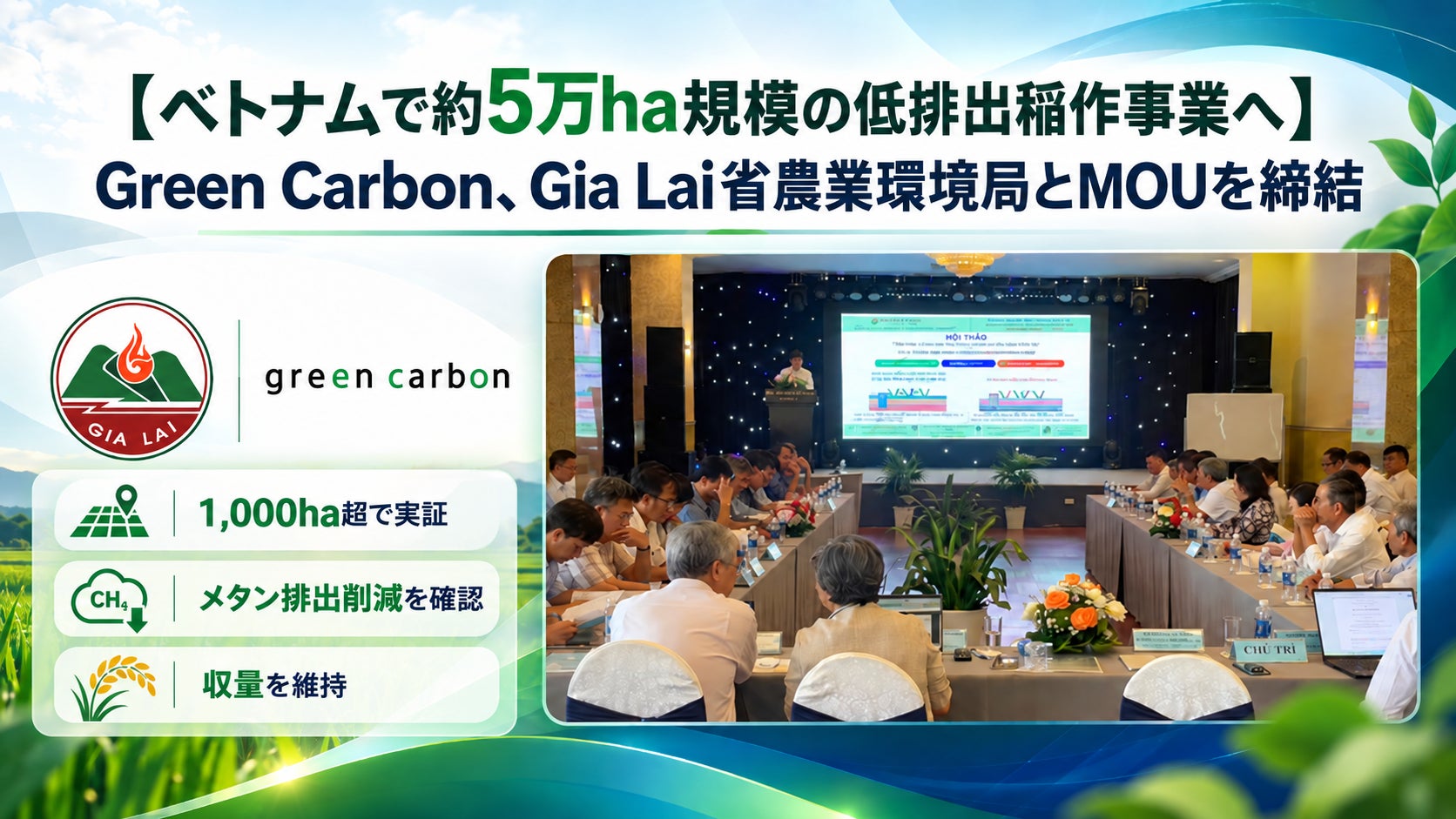
Green Carbon Signs MOU With Vietnam Province to Promote Low-Emission Rice Farming
The Japanese firm signed the agreement with the Gia Lai provincial agriculture authority after a 1,000-hectare trial confirmed methane cuts without lower yields.

Japan's First Batch-Type Dry Methane Fermentation Facility Begins Operation at Foot of Mount Fuji
The facility converts organic waste into biogas, creating renewable fuel and energy while marking the first installation of its kind in Japan.
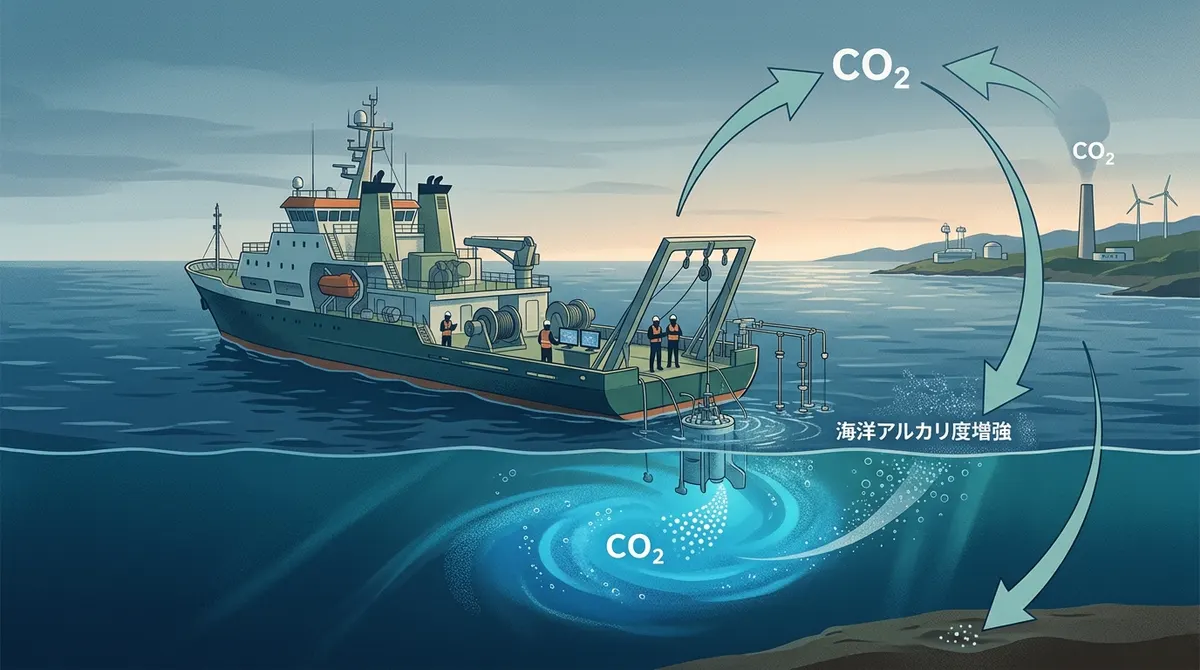
IMO Adopts Framework for Assessing Ocean CO2 Storage, Covering Three Technologies
The International Maritime Organization has adopted an assessment framework for ocean carbon dioxide storage technologies, covering three approaches including ocean alkalinity enhancement.

Study uses platinum-based quaternary alloy catalyst to cut green hydrogen costs
Researchers are testing electrolytic reforming of ethanol with a platinum-based quaternary alloy catalyst to lower the cost of producing green hydrogen.