TESS Group wins contract from Kokuei to install grid-scale battery storage facility
The project covers an approximately 8.3 MWh storage facility, and the group plans to provide aggregation services after equipment delivery.

TESS Holdings said its consolidated subsidiary, TESS Engineering, has won a contract to install a grid-scale battery storage facility from Kokuei, an Okayama-based company engaged in ground improvement, real estate and civil engineering. Kokuei will operate the facility, which has a capacity of approximately 8.3 MWh.
A grid-scale battery storage facility is a battery system connected directly to the power transmission grid. As renewable energy plants such as solar and wind farms increase, their output fluctuates with the weather, making it easier for the balance between electricity supply and demand on the grid to break down. Such facilities are installed to stabilize the grid.
According to TESS Holdings, the group plans to provide aggregation services after the equipment is delivered. Aggregation refers to a business that manages multiple power generation and storage facilities together and uses them to adjust electricity supply and demand. A distinctive feature of this project is that the company will be involved consistently from installation through operation.
The group has in-house capabilities covering site development, financing studies, design, procurement and construction of storage facilities, maintenance, and operation management through aggregation. It touts its one-stop structure as a strength.
The project is one of the focus business areas under its medium-term management plan, TX2030, which was formulated and announced in August 2024. The plan sets a medium-term target of 700 MW in cumulative construction capacity by 2030. This contract is one of the steps toward that target.
Behind the trend, Japan is increasingly introducing batteries to secure grid-side adjustment capacity as renewable energy expands. Batteries store surplus electricity and release it during periods of high demand, helping keep supply and demand in balance. Large-scale storage facilities typically connect many secondary batteries together to the transmission grid.
Background
A grid-scale battery storage facility is a large battery connected directly to the transmission grid. Because output from renewable power generation varies with the weather, adjustment capacity is needed to stabilize grid supply and demand. Batteries charge surplus electricity and discharge it during periods of high demand. Japan is expanding such storage facilities as renewable energy deployment grows.
Source: PR TIMES
This article was written by the editors based on the cited report and translated from Japanese.
More news
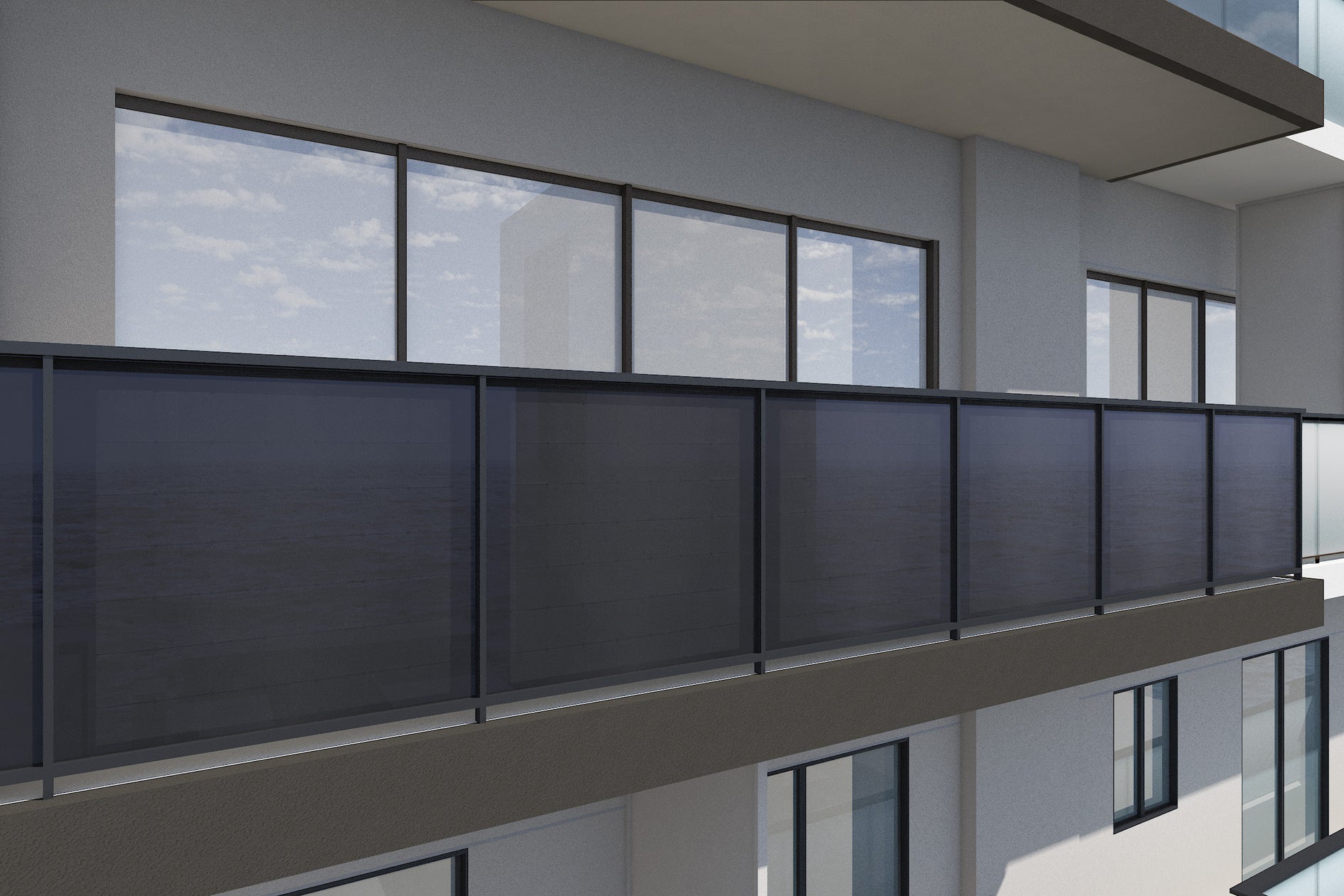
Haseko, Taisei and Kaneka develop balcony railing solar system for condominiums
Haseko plans to use the glass railing solar product at a condominium project in Shinagawa Ward developed in-house by Haseko.
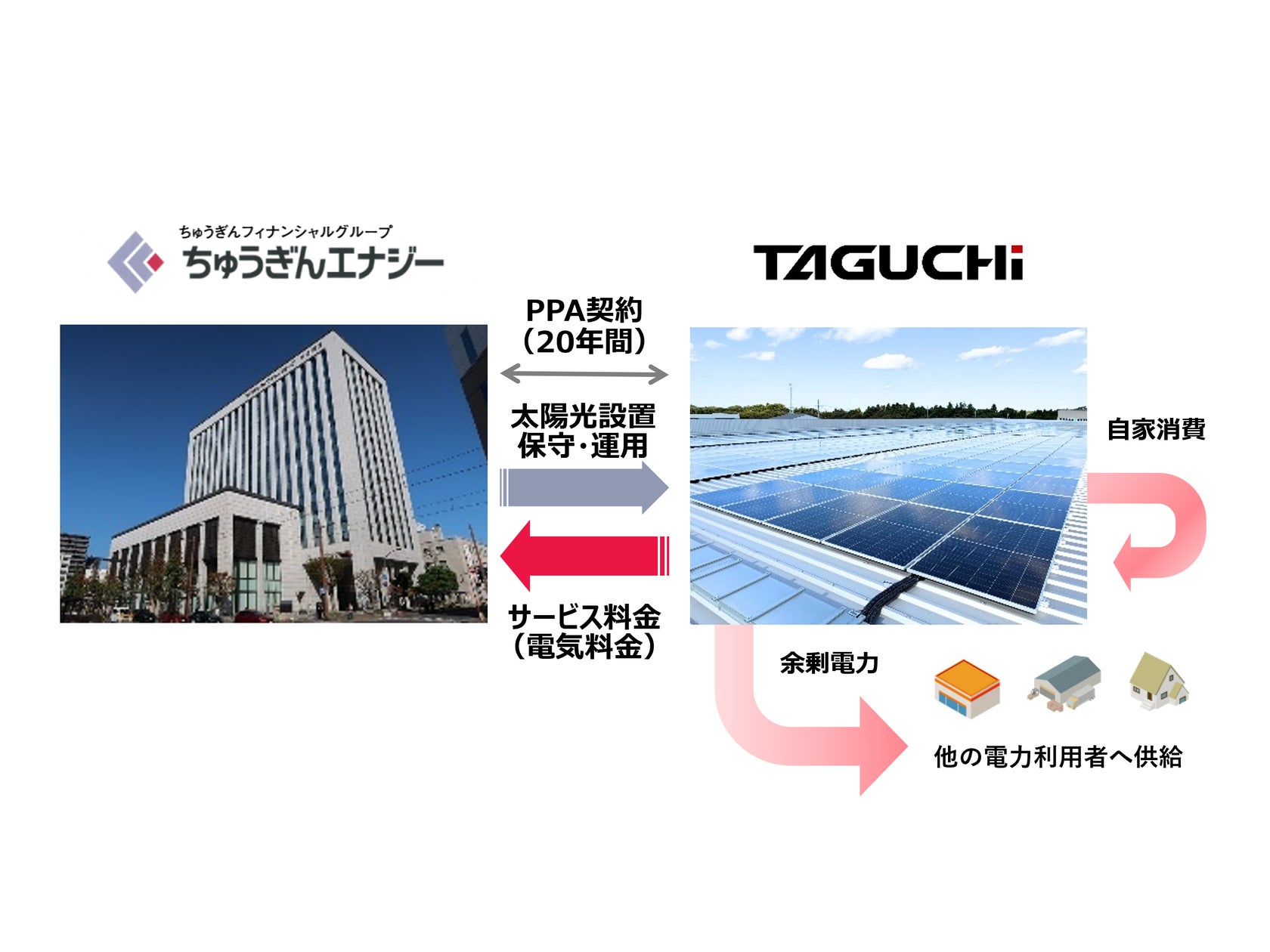
Taguchi Kogyo's Daisen plant begins renewable power supply via onsite solar PPA
Chugin Energy has installed solar power equipment on the roof of the plant of the construction machinery attachment maker to help decarbonize its electricity use.
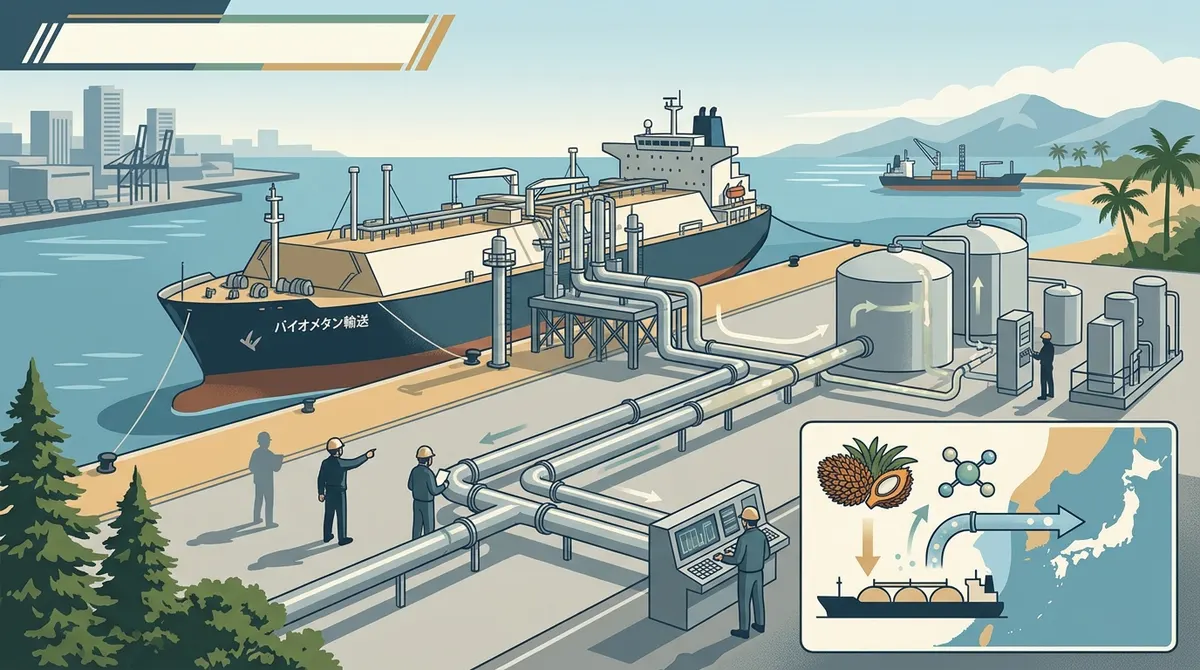
Tokyo Gas imports Malaysian biomethane into Japan for the first time
Tokyo Gas and Petronas jointly imported about 40,000 cubic meters of biomethane at the Ogishima LNG terminal, expanding Asian sourcing.
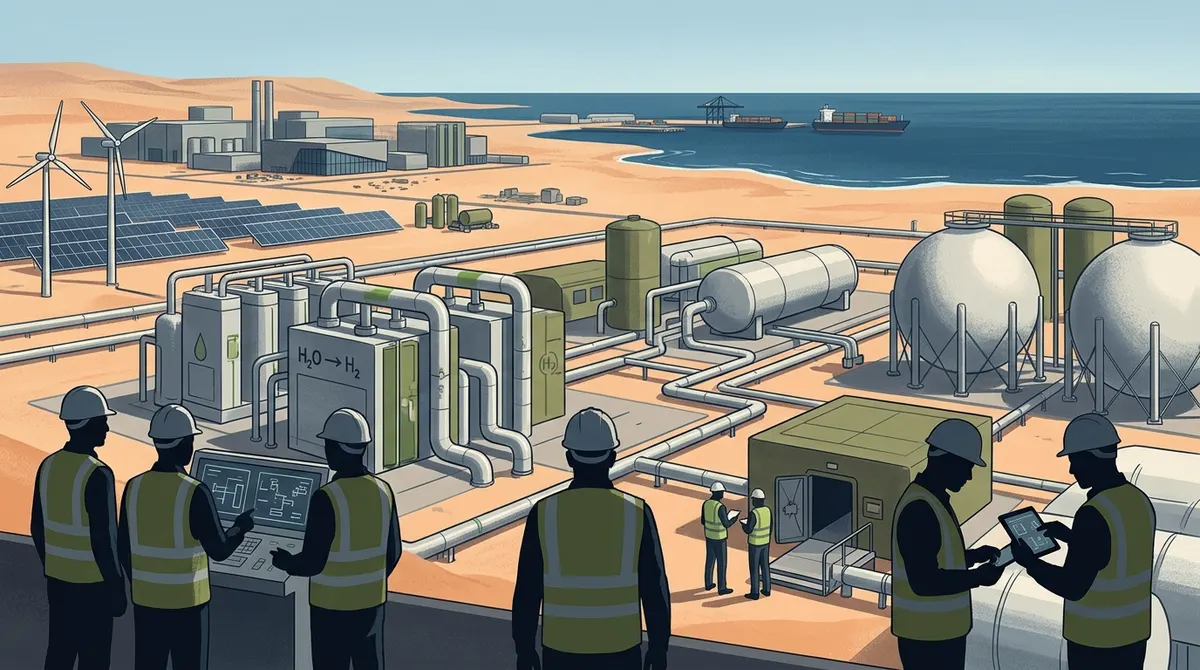
Saudi Arabia builds workforce base for one of the world's largest green hydrogen plants
Saudi Arabia plans to begin commercial operation of one of the world's largest green hydrogen production facilities at Oxagon in NEOM in 2027.