Haseko, Taisei and Kaneka develop balcony railing solar system for condominiums
Haseko plans to use the glass railing solar product at a condominium project in Shinagawa Ward developed in-house by Haseko.
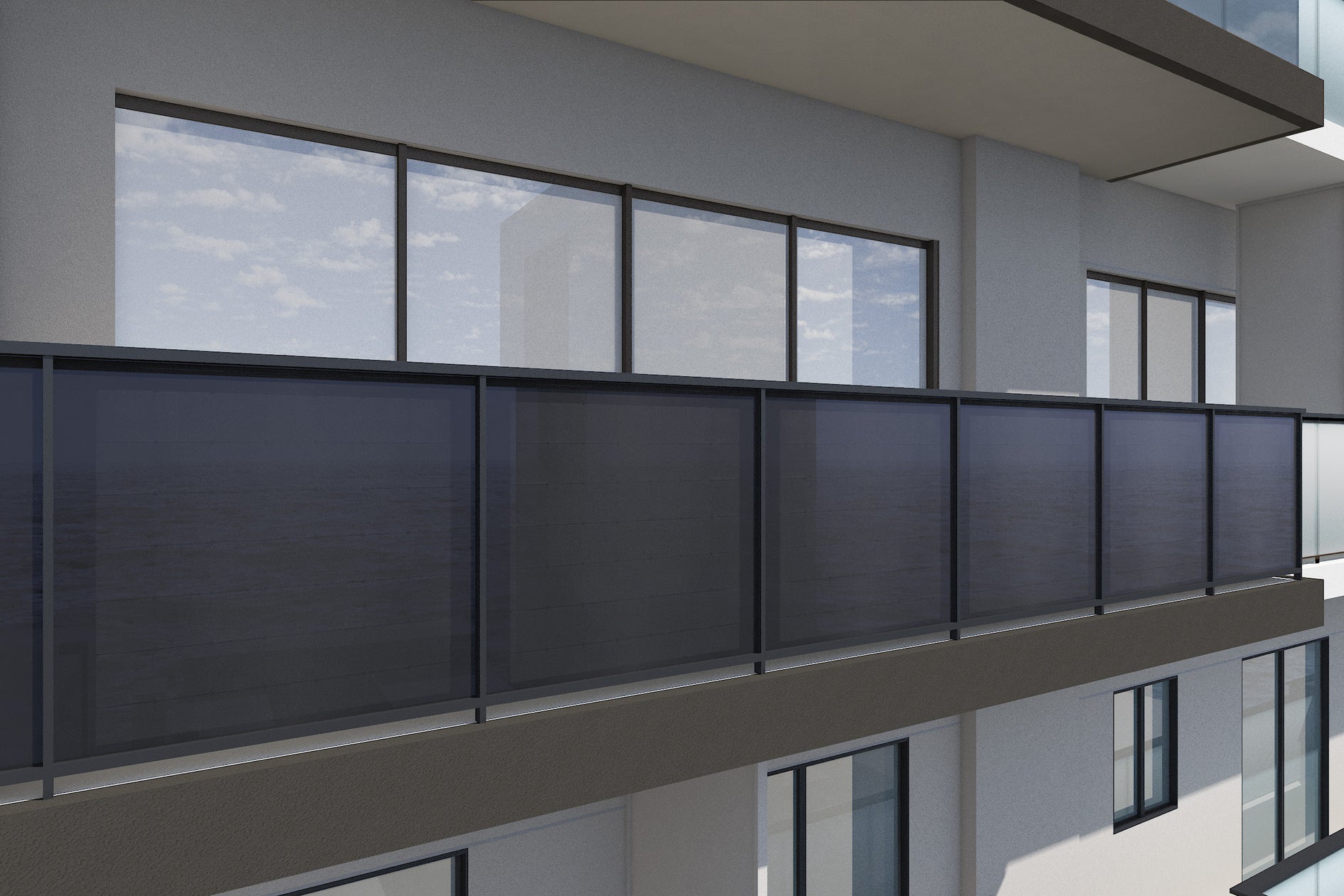
Haseko Corporation, Taisei Corporation and Kaneka Corporation said on November 26, 2026, that they have developed a glass railing-integrated solar power system for condominiums, called the Power-Generating Balcony Railing. The product combines a glass railing with solar cell modules, and Haseko plans to use it at its in-house condominium project, tentatively named the Shinagawa Ward Minami-Ohi 1-chome Project.
The product is positioned as a type of building-integrated photovoltaics (BIPV). By adding a power generation function to a glass railing, it allows balcony space to be used directly for generating electricity. The companies said they drew on Haseko's extensive know-how in condominium construction to improve ease of use and installation in multi-unit housing.
The Power-Generating Balcony Railing reduces reflection on the interior side of the solar cell modules and takes into account sightlines from neighboring units. The companies say the product addresses needs specific to condominiums by protecting residents' privacy while maintaining the design quality required for balcony railings.
The companies also considered safety and ease of construction. To ensure the safety performance required for balcony railings, they said they reviewed the layout of terminal boxes and wiring. As a result, they said the product maintains the performance and appearance of conventional glass railings while making installation easier in condominiums.
Building-integrated photovoltaics incorporate solar cells into building materials such as roofs, exterior walls and railings. Conventional solar panels were typically added to roofs after construction, whereas building-integrated systems can increase power generation areas while preserving a building's design. In multi-unit housing, where roof areas are limited, there is demand for using balconies as power generation surfaces.
Background
Building-integrated photovoltaics, or BIPV, integrate solar power generation into building materials. Conventional solar panels were typically added to roofs after construction, but building-integrated products are built into exterior walls, windows and railings, adding generation surfaces while preserving a building's appearance. Multi-unit housing has limited roof space and makes it difficult to place generation equipment for each unit, creating demand for using balconies.
Source: PR TIMES
This article was written by the editors based on the cited report and translated from Japanese.
More news

TESS Group wins contract from Kokuei to install grid-scale battery storage facility
The project covers an approximately 8.3 MWh storage facility, and the group plans to provide aggregation services after equipment delivery.
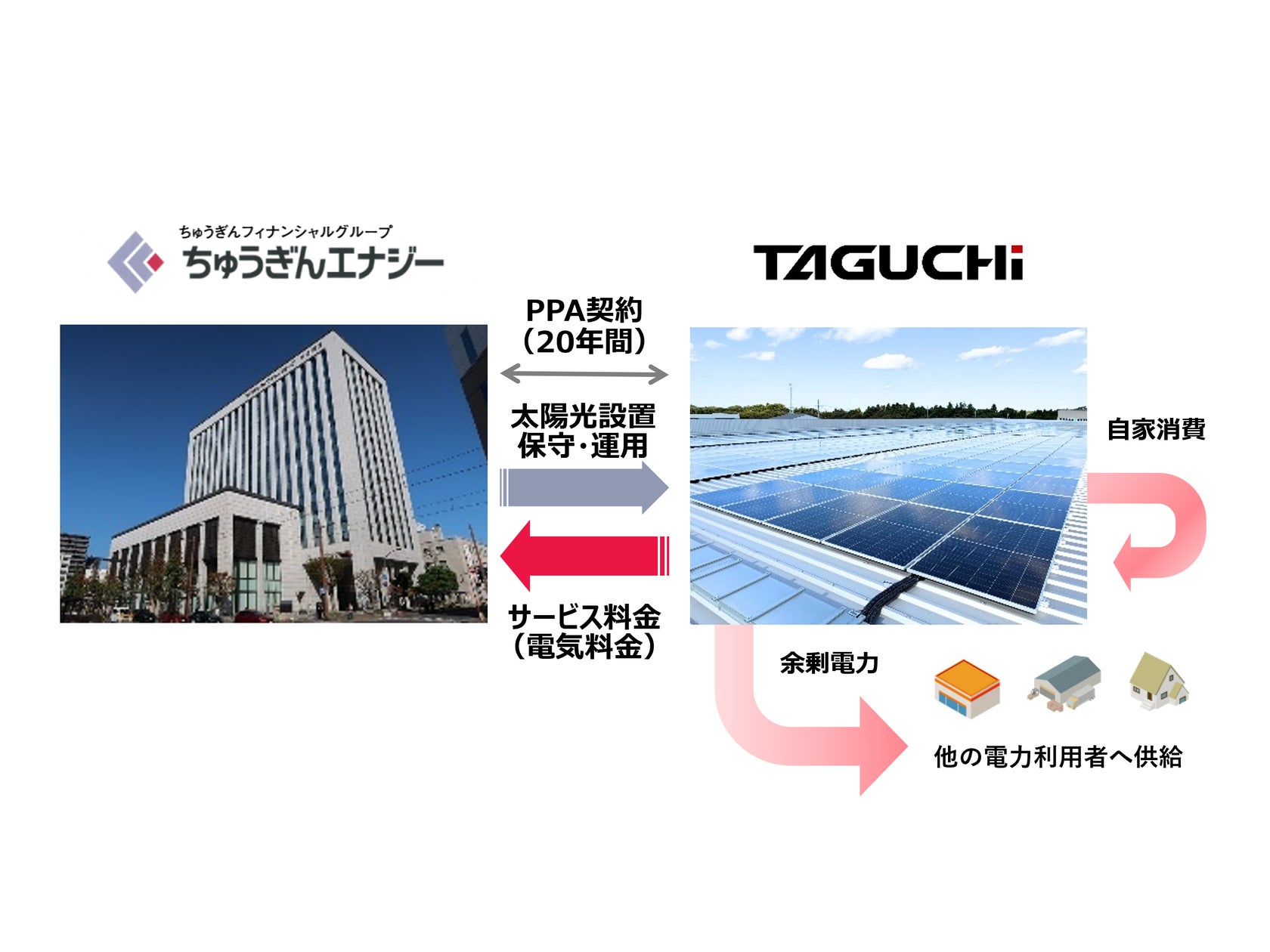
Taguchi Kogyo's Daisen plant begins renewable power supply via onsite solar PPA
Chugin Energy has installed solar power equipment on the roof of the plant of the construction machinery attachment maker to help decarbonize its electricity use.
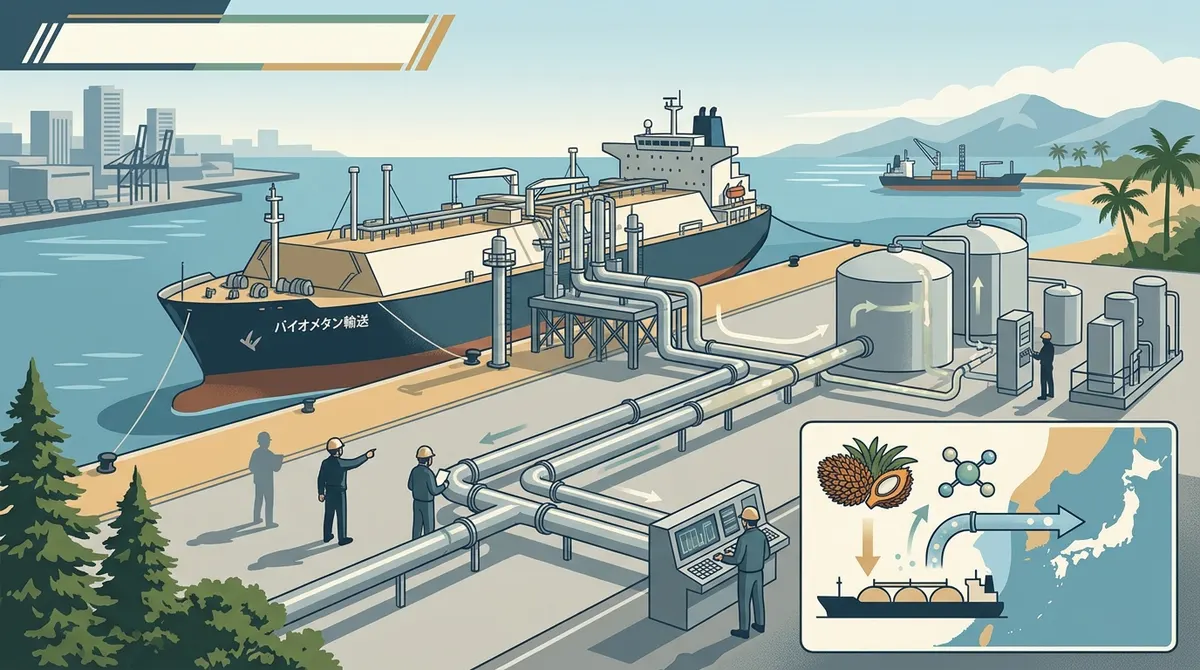
Tokyo Gas imports Malaysian biomethane into Japan for the first time
Tokyo Gas and Petronas jointly imported about 40,000 cubic meters of biomethane at the Ogishima LNG terminal, expanding Asian sourcing.
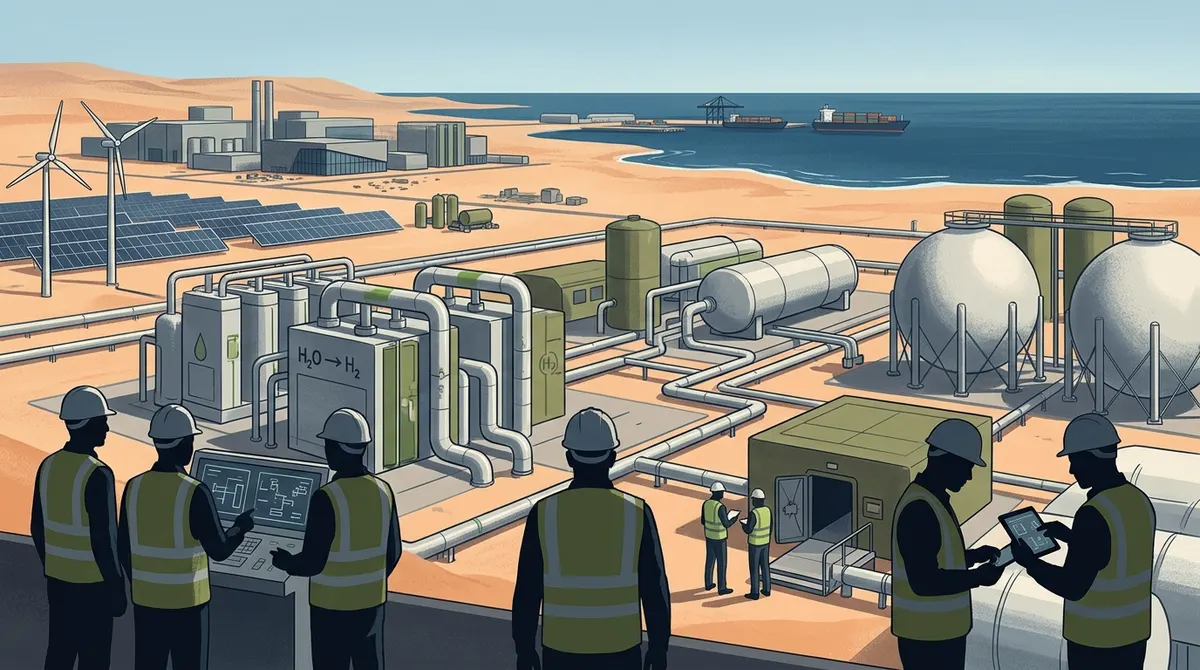
Saudi Arabia builds workforce base for one of the world's largest green hydrogen plants
Saudi Arabia plans to begin commercial operation of one of the world's largest green hydrogen production facilities at Oxagon in NEOM in 2027.