Saudi Arabia builds workforce base for one of the world's largest green hydrogen plants
Saudi Arabia plans to begin commercial operation of one of the world's largest green hydrogen production facilities at Oxagon in NEOM in 2027.
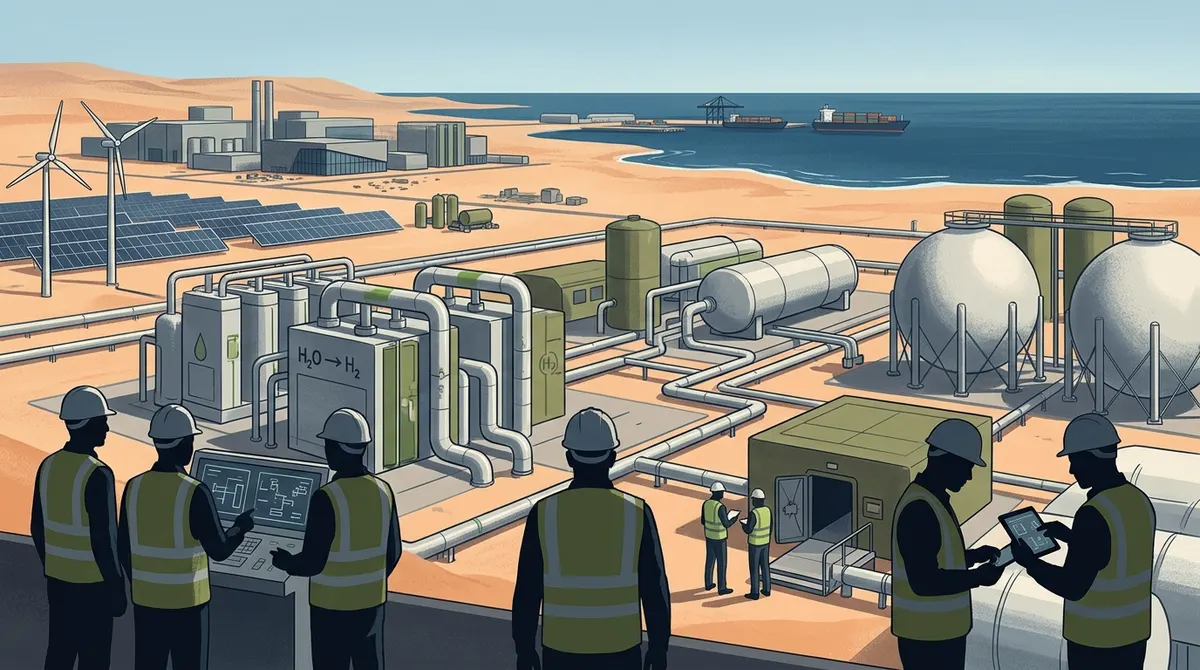
Saudi Arabia is preparing to begin commercial operation of one of the world's largest green hydrogen production facilities at Oxagon, the industrial city in NEOM, in 2027. According to Arab News, the kingdom plans large-scale hydrogen production and is also working to develop the workforce needed to support it. Building a skilled workforce ahead of the plant's operation is becoming one of the pillars of the country's hydrogen strategy.
Green hydrogen refers to hydrogen produced by electrolyzing water using electricity from renewable energy sources. It is positioned as a means of decarbonization because it emits almost no carbon dioxide during production. Water electrolysis is a production method that uses electricity to split water into hydrogen and oxygen.
Hydrogen is used in fuel cells, power generation, and industrial applications such as steelmaking and chemicals. However, hydrogen is difficult to handle as a gas and requires storage and transport facilities. Because engineers who can handle the entire process from production to use are needed, training personnel is a prerequisite for operating large-scale facilities.
Operating large-scale water electrolysis facilities requires engineers with knowledge of electrical systems, chemical plants and safety management. Since simply building a facility cannot sustain operations, developing a workforce base must proceed in parallel.
Saudi Arabia is known as a major oil exporter and is seeking to expand the pillars of its energy policy from oil to renewable energy and hydrogen. Commercial operation at Oxagon is positioned as a project demonstrating that shift.
Hydrogen is classified by how it is produced. Hydrogen made by reforming natural gas without capturing carbon dioxide is called gray, hydrogen made with carbon capture is called blue, and hydrogen made with renewable energy is called green. The Saudi facility falls into the green hydrogen category.
Regions and countries including Europe, Japan and China have also incorporated green hydrogen production and use into their policies. However, production costs higher than those of hydrogen derived from fossil fuels are considered a barrier to wider adoption. Once large-scale facilities are operating, attention will focus on whether they demonstrate production costs and supply volumes.
Going forward, construction of the facility and personnel training are expected to proceed in parallel toward commercial operation in 2027. The focus will be on how many workers are secured and how far production can rise after operations begin.
Background
Middle Eastern oil-producing countries are moving away from economies dependent on oil. Saudi Arabia has set a policy of making renewable energy and hydrogen new industrial pillars. Hydrogen requires specialized technology at each stage of production, transport, storage and use. In particular, production by water electrolysis depends on personnel with knowledge of electrical systems and plant operation. Green hydrogen is hydrogen produced using renewable electricity that emits almost no carbon dioxide during production, and it is drawing attention in national decarbonization policies.
Source: Arab News PK
This article was written by the editors based on the cited report and translated from Japanese.
More news

TESS Group wins contract from Kokuei to install grid-scale battery storage facility
The project covers an approximately 8.3 MWh storage facility, and the group plans to provide aggregation services after equipment delivery.
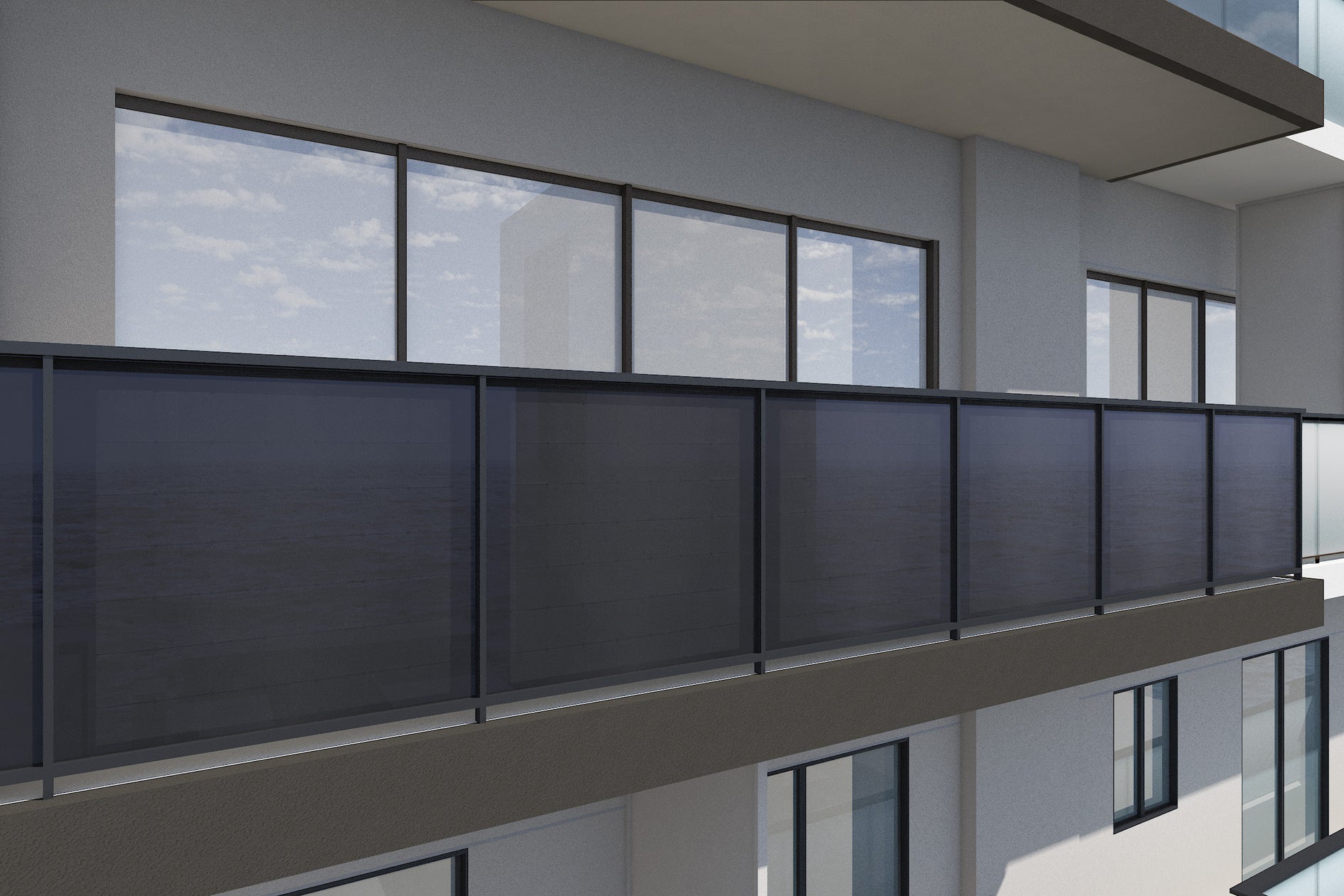
Haseko, Taisei and Kaneka develop balcony railing solar system for condominiums
Haseko plans to use the glass railing solar product at a condominium project in Shinagawa Ward developed in-house by Haseko.
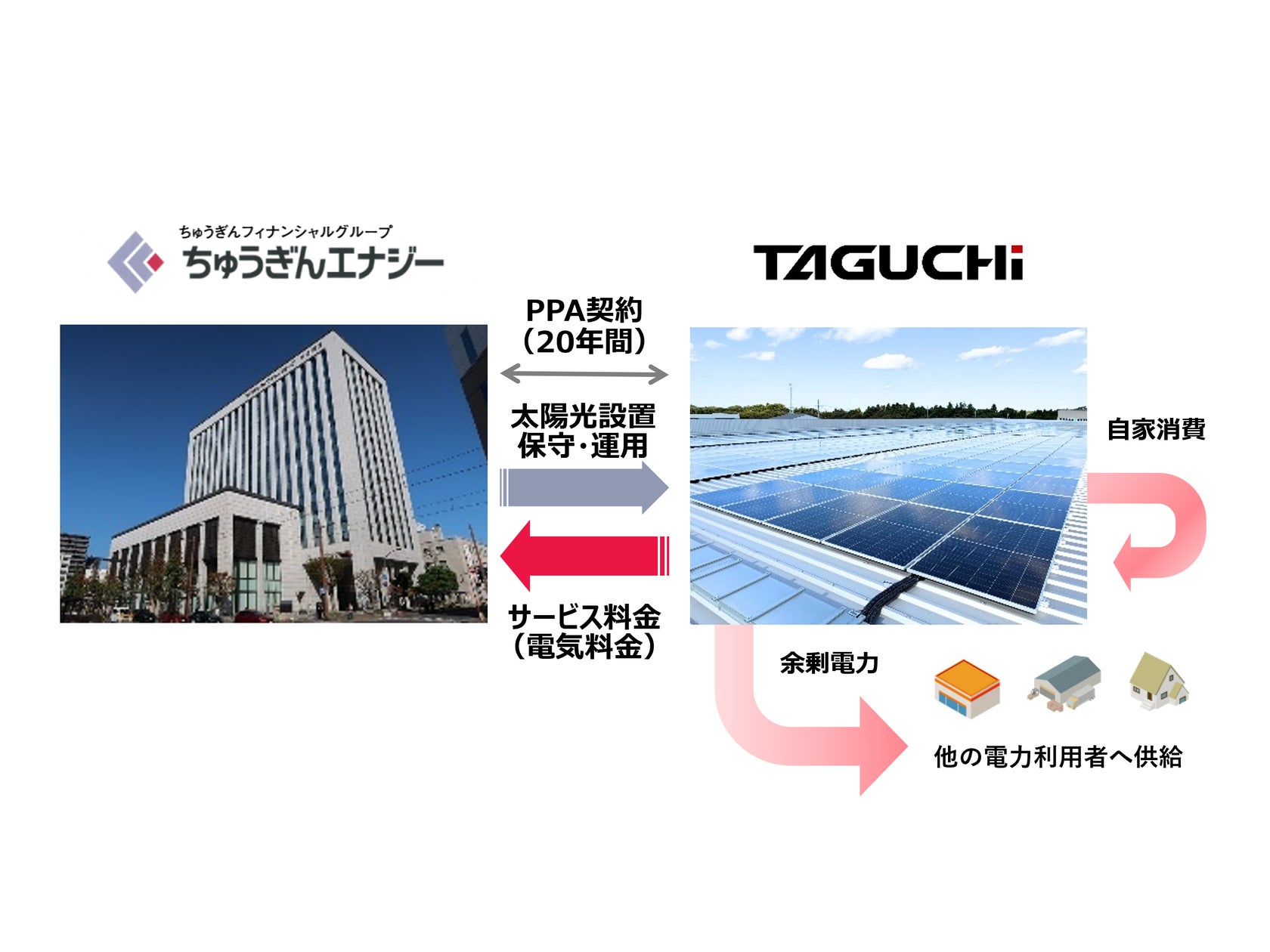
Taguchi Kogyo's Daisen plant begins renewable power supply via onsite solar PPA
Chugin Energy has installed solar power equipment on the roof of the plant of the construction machinery attachment maker to help decarbonize its electricity use.
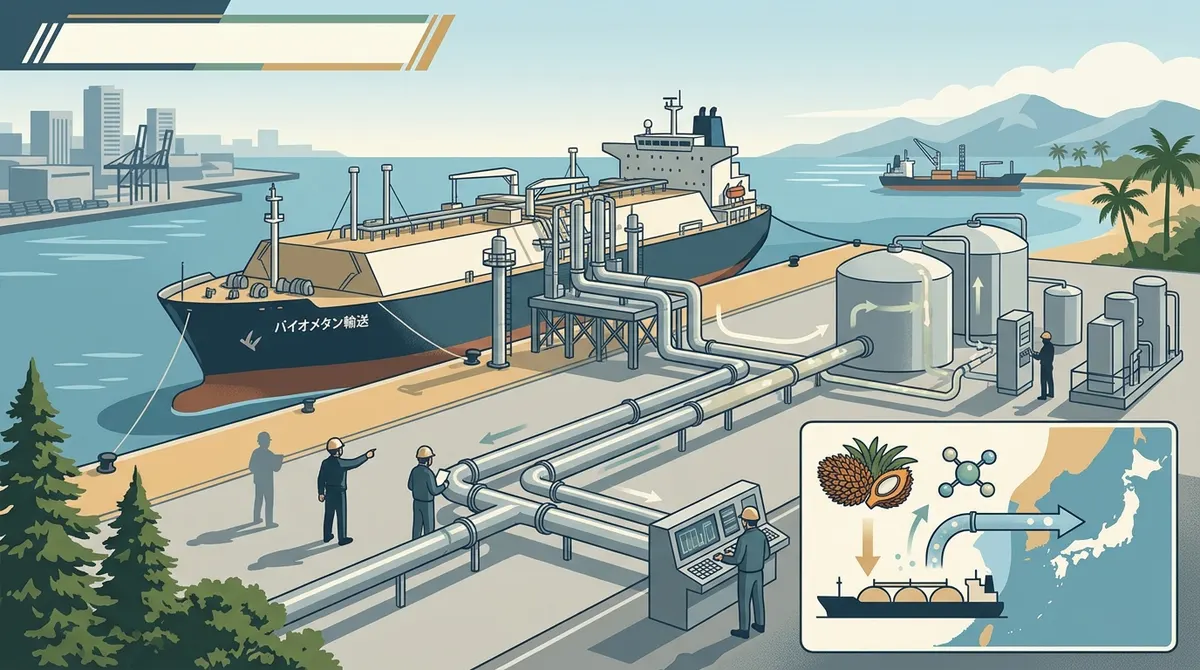
Tokyo Gas imports Malaysian biomethane into Japan for the first time
Tokyo Gas and Petronas jointly imported about 40,000 cubic meters of biomethane at the Ogishima LNG terminal, expanding Asian sourcing.