Suzuki to test biogas-fueled CNG vehicles on public roads under Kosai partnership
Suzuki Motor Corp. signed a partnership agreement on November 24 with Kosai City and other partners to demonstrate a circular energy system using local resources.

Suzuki signed a partnership agreement on November 24 with Kosai City in Shizuoka Prefecture and Toyohashi Biomass Solutions to promote a demonstration project on the use of biogas for a regional, resource-circulating energy model. The companies said they will conduct public road tests of compressed natural gas (CNG) vehicles fueled by biogas to verify their effectiveness and practicality.
The project is distinctive in that it uses biogas produced from resources generated locally as fuel. Suzuki will participate by providing biogas purification equipment, filling equipment and CNG vehicles. The automaker will supply not only vehicles but also the equipment to refine and fill the fuel.
Kosai City has previously worked with Toyohashi Biomass Solutions on a demonstration project to generate biogas from local biomass, such as sewage sludge. The new agreement extends that effort to using the gas as vehicle fuel.
Biomass refers to organic resources derived from living organisms, including wood, crop residues, food waste and livestock manure. When fermented by microorganisms, it produces biogas, whose main component is methane. Because raw biogas contains impurities, it must be purified to raise its methane concentration.
Purified gas becomes close in composition to natural gas and can be used as fuel for CNG vehicles. CNG vehicles are cars that store natural gas compressed at high pressure, and they are considered to emit less carbon dioxide than gasoline vehicles. Using waste-derived local resources in place of fossil fuels allows for a circular fuel system.
Attention will focus on the results of the public road tests and whether a stable fuel supply can be maintained in the region. Whether this local resource-based fuel model spreads to other municipalities will also be a key question.
Source: レスポンス(Response.jp)
This article was written by the editors based on the cited report and translated from Japanese.
More news

TESS Group wins contract from Kokuei to install grid-scale battery storage facility
The project covers an approximately 8.3 MWh storage facility, and the group plans to provide aggregation services after equipment delivery.
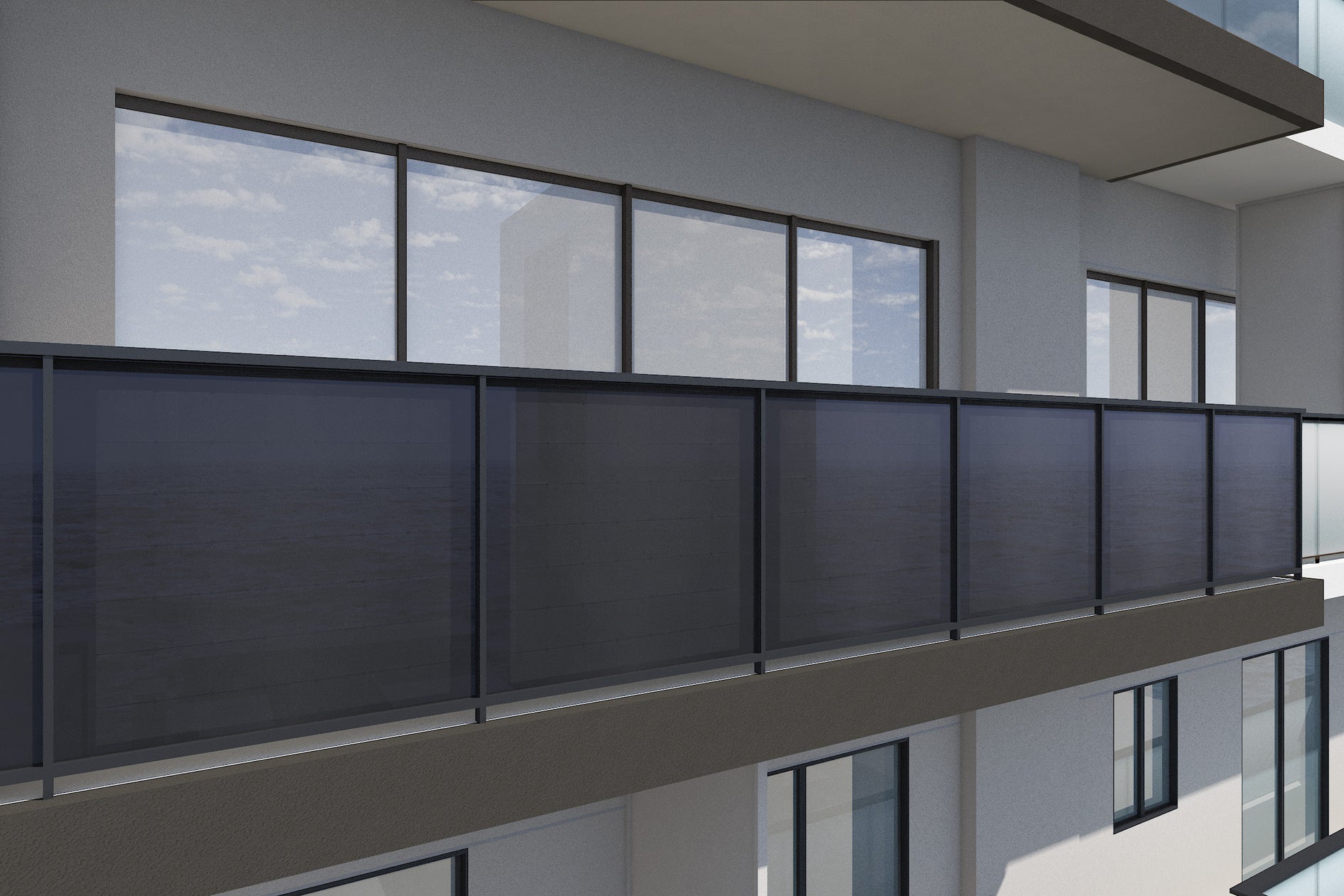
Haseko, Taisei and Kaneka develop balcony railing solar system for condominiums
Haseko plans to use the glass railing solar product at a condominium project in Shinagawa Ward developed in-house by Haseko.
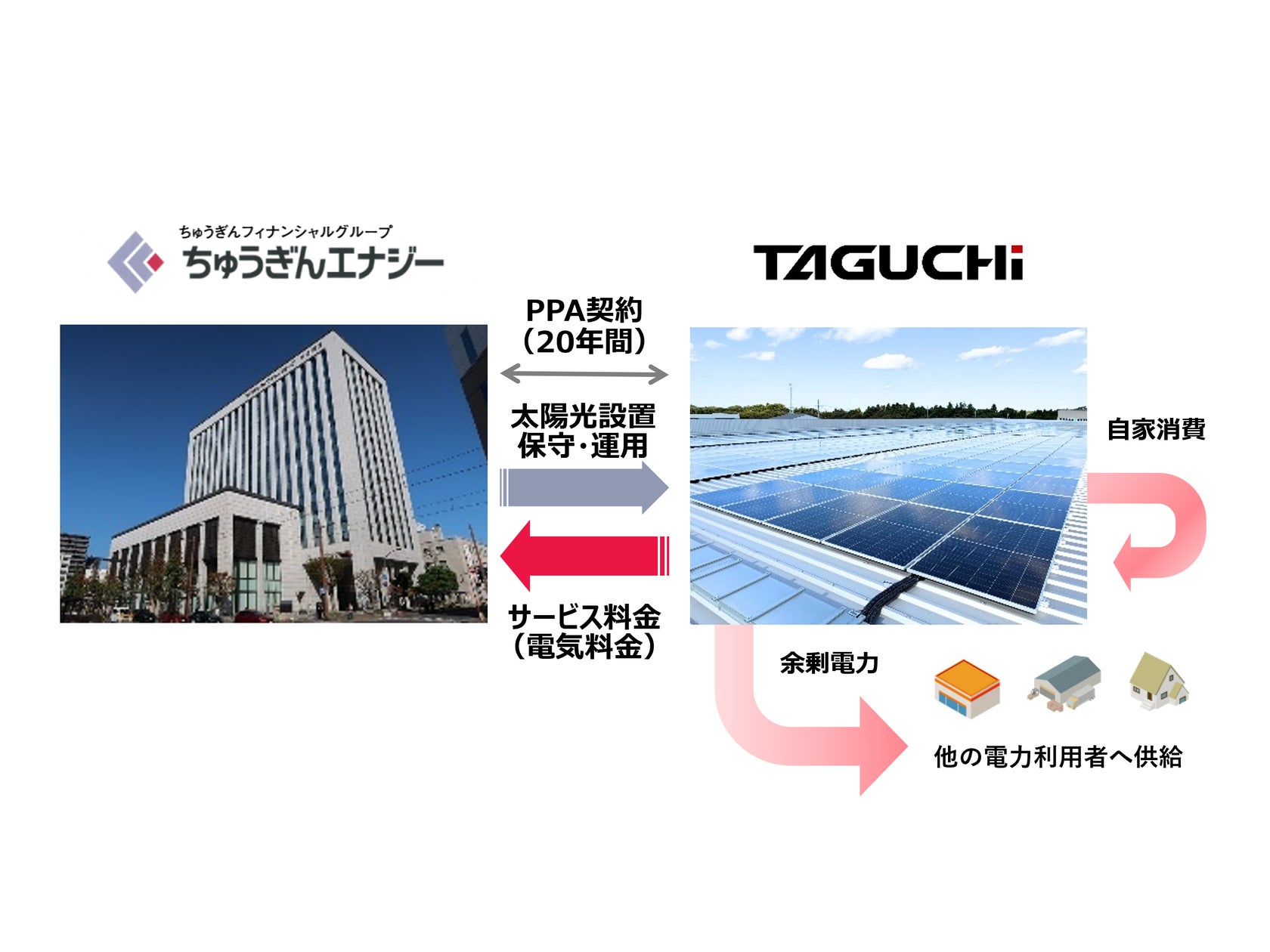
Taguchi Kogyo's Daisen plant begins renewable power supply via onsite solar PPA
Chugin Energy has installed solar power equipment on the roof of the plant of the construction machinery attachment maker to help decarbonize its electricity use.
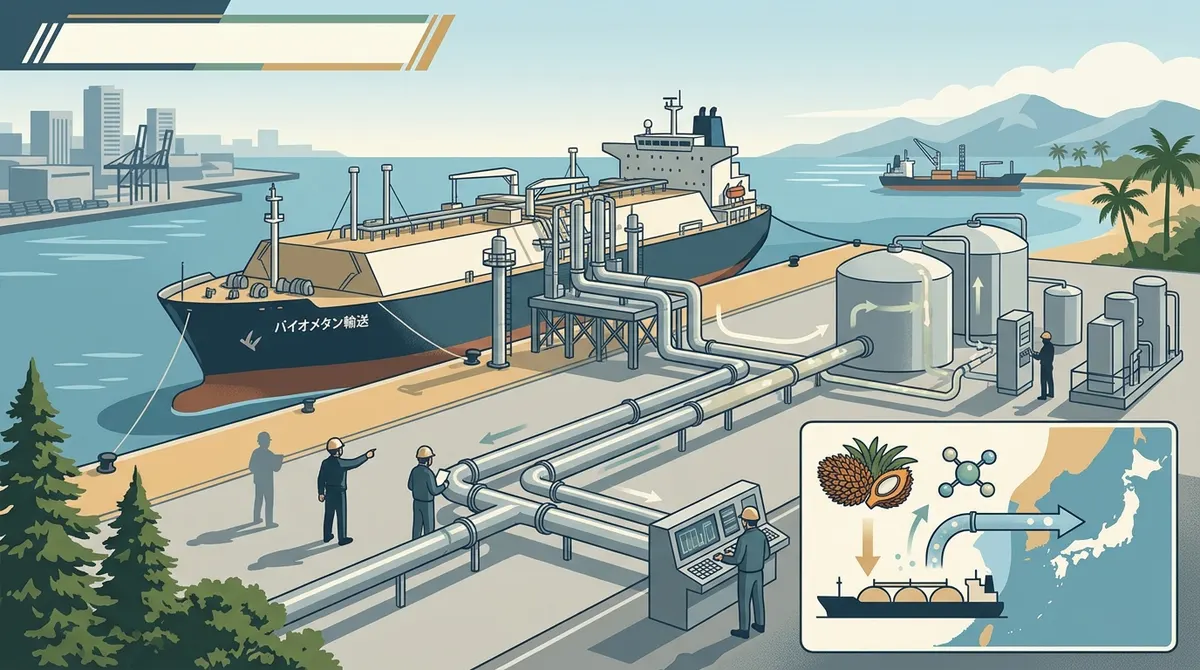
Tokyo Gas imports Malaysian biomethane into Japan for the first time
Tokyo Gas and Petronas jointly imported about 40,000 cubic meters of biomethane at the Ogishima LNG terminal, expanding Asian sourcing.