Japan Opens Third Round of Applications for Transport Decarbonization Technology
The Ministry of the Environment on Nov. 20 opened the third call for proposals under its fiscal 2026 program to socially implement advanced systems for decarbonizing transport and other sectors.

The Ministry of the Environment on Nov. 20 launched the third round of applications for its fiscal 2026 program on Advanced Systems for Social Implementation to Decarbonize Transport and Other Sectors. The program targets the development and social deployment of technologies that lead to decarbonizing the transport sector, such as electric vehicles (EVs) and next-generation fuels.
The transport sector accounts for a large share of emissions because automobiles, railways, ships and airplanes use fossil fuels for movement. Electrifying power sources and decarbonizing fuels are positioned as the central means of reducing emissions.
EVs emit no CO2 while driving, and their emission-reduction effect grows as the emission factor of electricity falls. However, battery weight and charging time are challenges for large vehicles and long-distance transport, and next-generation fuels such as hydrogen and synthetic fuels are expected to fill that role.
Next-generation fuels include biofuels, synthetic fuels and hydrogen, and their advantage is that they can make use of existing engines and fueling infrastructure. However, production costs and securing raw materials are challenges, and repeated demonstrations are essential for social implementation.
Decarbonizing the transport sector is a key pillar toward achieving carbon neutrality by 2050. A system that supports the process from technology development to widespread adoption with public funding is expected to encourage private companies to enter the market.
Attention will focus on how far the technologies selected in this call will spread into on-site use of EVs and next-generation fuels. The next focus is how the program's results will link to emission reductions across the transport sector as a whole.
Background
Japan's transport sector accounts for a large share of CO2 emissions, and electrification and fuel conversion have long been considered essential to achieving carbon neutrality by 2050. The government has supported efforts from development to social implementation through subsidy programs. EVs and next-generation fuels such as hydrogen have long been positioned as pillars of policy.
Source: 環境ビジネスオンライン
This article was written by the editors based on the cited report and translated from Japanese.
More news

TESS Group wins contract from Kokuei to install grid-scale battery storage facility
The project covers an approximately 8.3 MWh storage facility, and the group plans to provide aggregation services after equipment delivery.

Haseko, Taisei and Kaneka develop balcony railing solar system for condominiums
Haseko plans to use the glass railing solar product at a condominium project in Shinagawa Ward developed in-house by Haseko.
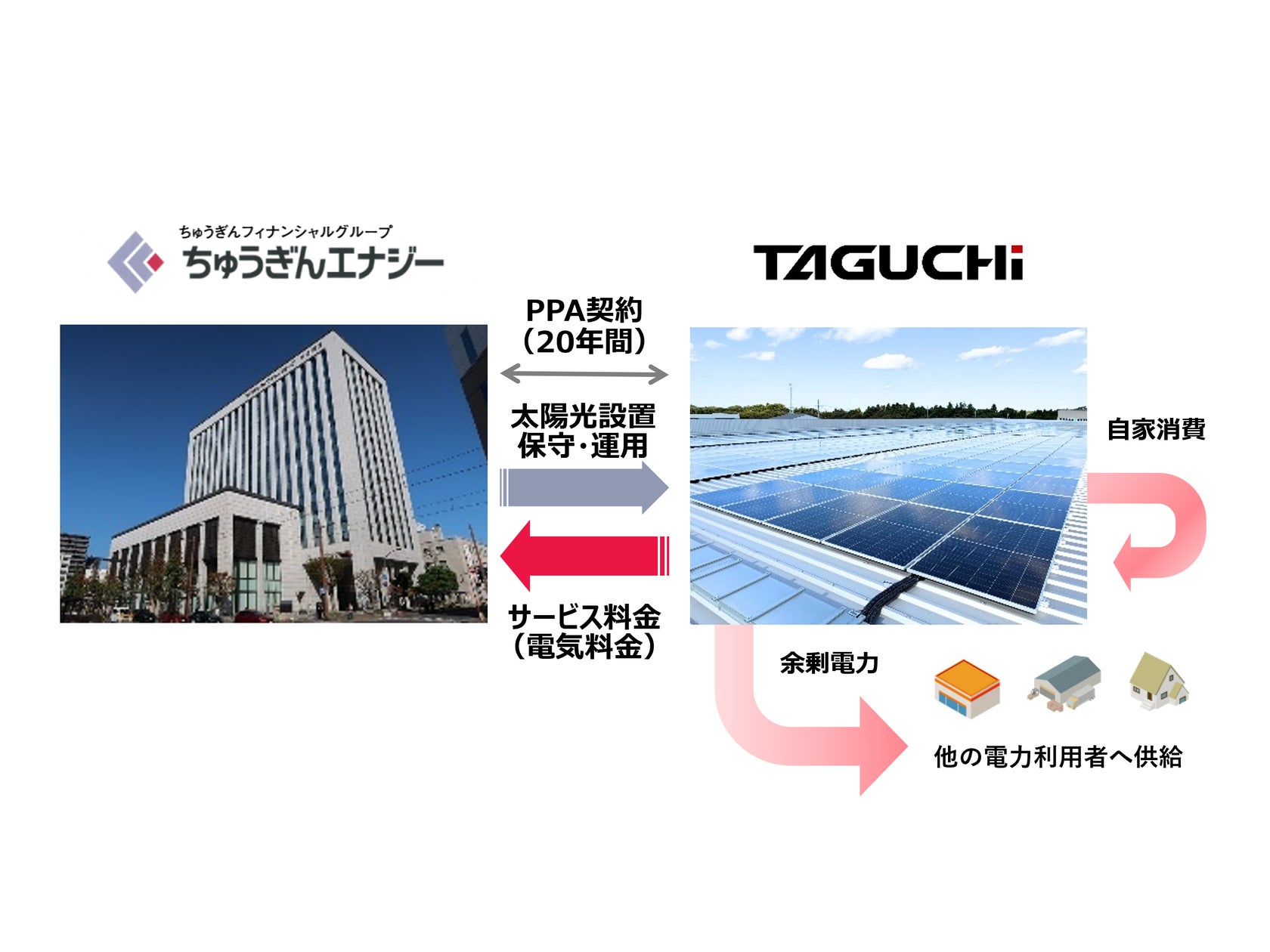
Taguchi Kogyo's Daisen plant begins renewable power supply via onsite solar PPA
Chugin Energy has installed solar power equipment on the roof of the plant of the construction machinery attachment maker to help decarbonize its electricity use.
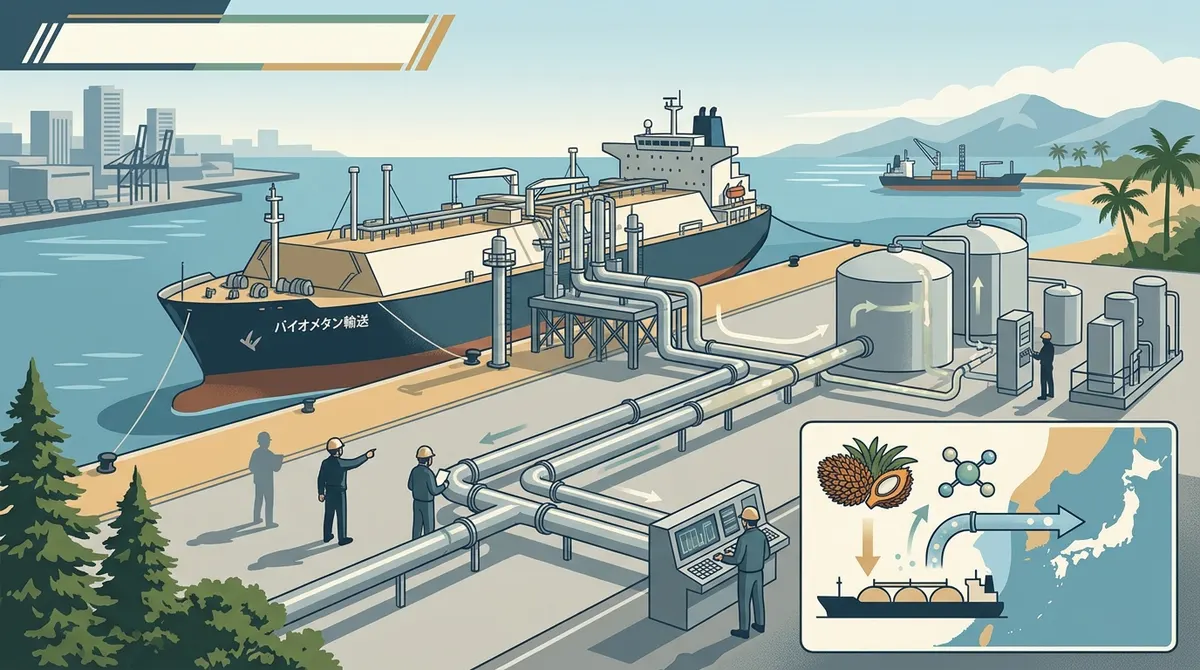
Tokyo Gas imports Malaysian biomethane into Japan for the first time
Tokyo Gas and Petronas jointly imported about 40,000 cubic meters of biomethane at the Ogishima LNG terminal, expanding Asian sourcing.