Fujitsu, FamilyMart Launch Trial Using Causal AI to Analyze Decarbonized Product Purchases
The trial will use causal AI analysis to examine how environmental value affects consumers' purchasing decisions from November 2026 to February 2027.

Fujitsu announced on November 20 that it will begin a demonstration project with FamilyMart to analyze purchasing behavior for decarbonized products using AI and generate new demand. The trial period runs from November 2026 to February 2027. The project combines Fujitsu Kozuchi Causal AI, a core technology of Fujitsu's AI platform Fujitsu Kozuchi, with a large language model (LLM) to analyze how the environmental value of products affects consumers' purchasing decisions.
The initiative is part of a model demonstration project to create demand for decarbonized products and other items, which the Ministry of the Environment solicited through a public call. The aim of the project is to turn decarbonized products into items that consumers choose. Its distinguishing feature is combining private-sector AI technology with retail store operations.
Causal AI is an analytical method that estimates how much a measure or factor changed an outcome, rather than simply identifying correlations in data. Its value lies in determining whether displays or sales measures in stores actually encouraged purchases after removing the influence of other factors. The central focus of this analysis is to clarify whether promoting environmental value leads to increases or decreases in sales.
Attention will focus on how the results of the trial from November 2026 to February 2027 will be used in measures to create demand for decarbonized products. The key question is whether retail stores can offer concrete answers on how to communicate environmental value to consumers in ways that lead to purchases.
Source: 電波タイムズ
This article was written by the editors based on the cited report and translated from Japanese.
More news

TESS Group wins contract from Kokuei to install grid-scale battery storage facility
The project covers an approximately 8.3 MWh storage facility, and the group plans to provide aggregation services after equipment delivery.

Haseko, Taisei and Kaneka develop balcony railing solar system for condominiums
Haseko plans to use the glass railing solar product at a condominium project in Shinagawa Ward developed in-house by Haseko.
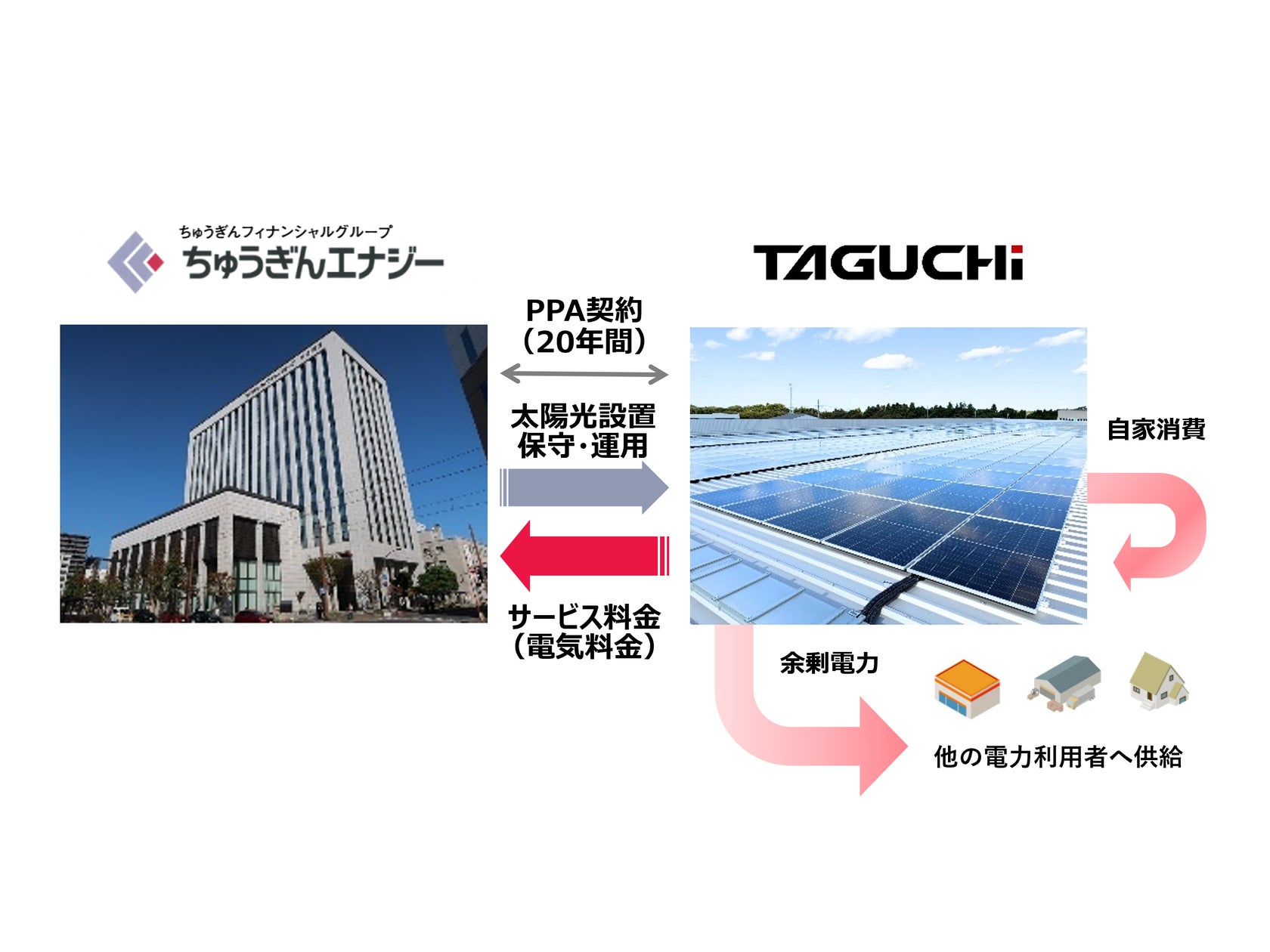
Taguchi Kogyo's Daisen plant begins renewable power supply via onsite solar PPA
Chugin Energy has installed solar power equipment on the roof of the plant of the construction machinery attachment maker to help decarbonize its electricity use.

Tokyo Gas imports Malaysian biomethane into Japan for the first time
Tokyo Gas and Petronas jointly imported about 40,000 cubic meters of biomethane at the Ogishima LNG terminal, expanding Asian sourcing.