Japan GX body invests in US startup Sanmetalon to scale metal scrap recycling for steel
The government-approved GX Promotion Organization has invested in Sanmetalon to help mass-produce equipment that removes impurities from metal offcuts.

The GX Promotion Organization, a government-approved corporation under the Ministry of Economy, Trade and Industry, has invested in Sanmetalon, a U.S. startup involved in metal recycling. The investment is aimed at supporting mass production of recycling equipment that contributes to decarbonization in the steel industry.
Sanmetalon makes equipment that uses its proprietary heating technology to remove impurities from metal offcuts generated in factory production processes. By removing impurities from the offcuts, the company makes it possible to reuse the material as feedstock.
Recycled material serves as raw material for green iron, which is considered to be produced with low carbon emissions in electric arc furnaces. Electric arc furnaces make iron by melting iron scrap and other materials with electric heat, and are generally considered better able to limit CO2 emissions than blast furnaces, which melt iron ore.
The steel industry is a major source of CO2 emissions among industrial sectors, and decarbonization efforts have become a challenge for the entire industry. While continuing to operate blast furnaces, increasing the share of electric arc furnaces that use scrap has long been seen as one of the pillars of emissions reduction.
The GX Promotion Organization plays a role in supporting the transformation of industrial structures through investment in technologies and equipment that lead to emissions reductions. The latest investment can be seen as extending that support to the field of material recycling.
The key point to watch going forward is whether mass production of the equipment advances and whether a stable supply of green iron raw materials can be secured. How much steelmakers adopt this material will also influence the pace of emissions reduction.
Background
Japan has set a goal of carbon neutrality by 2050, and in 2023 the Diet enacted the GX (Green Transformation) Promotion Act. Under the law, the government has built a framework to support investments that lead to emissions reductions. Iron is a material that generates a large amount of CO2 during production, so shifting to electric arc furnaces that use iron scrap and ensuring scrap quality are considered key challenges for decarbonization. Because iron made in electric arc furnaces depends on the quality of iron scrap, technology that removes impurities from metal offcuts plays a role in improving the quality of raw materials.
Source: 日本経済新聞
This article was written by the editors based on the cited report and translated from Japanese.
More news
TESS Group wins contract from Kokuei to install grid-scale battery storage facility
The project covers an approximately 8.3 MWh storage facility, and the group plans to provide aggregation services after equipment delivery.
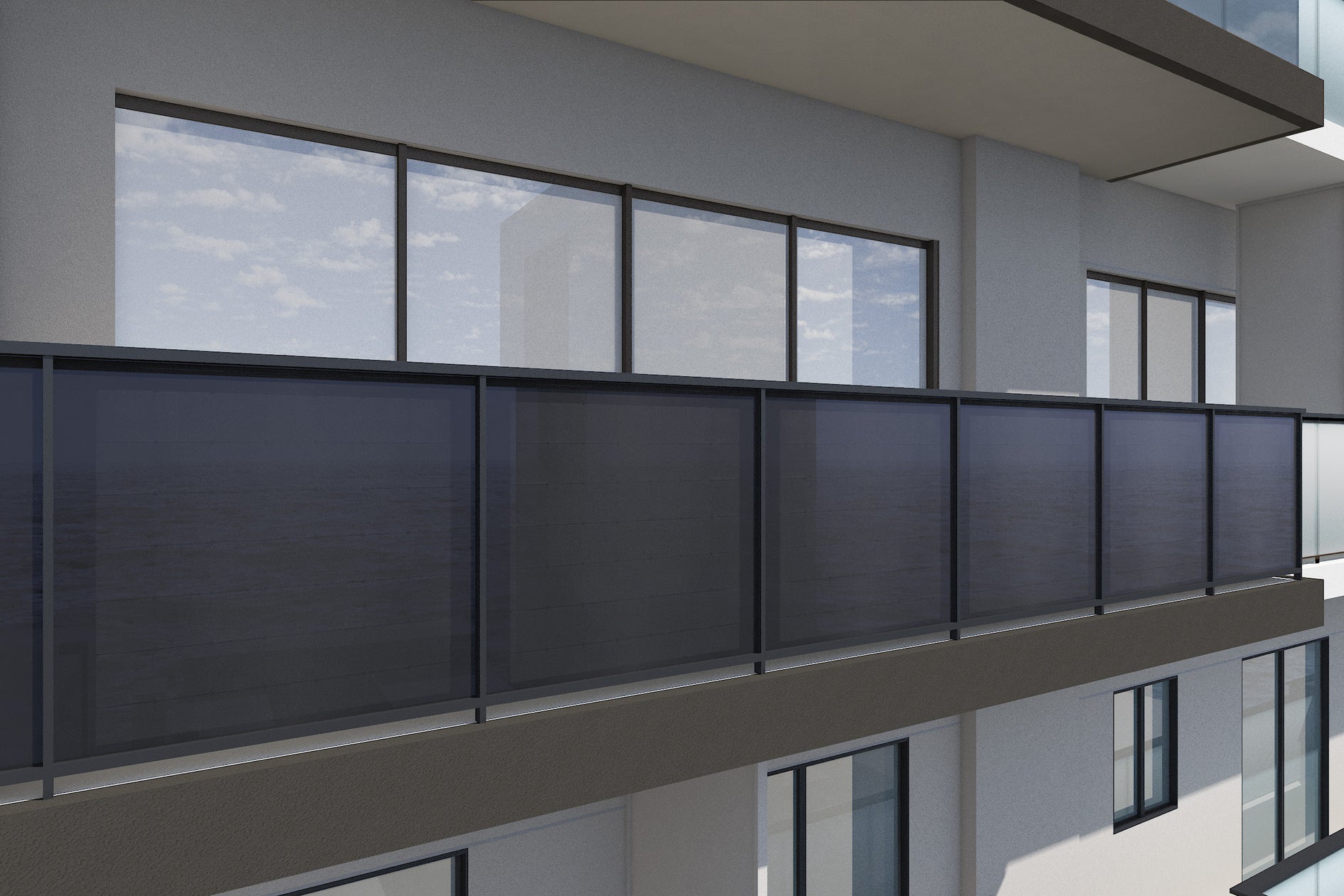
Haseko, Taisei and Kaneka develop balcony railing solar system for condominiums
Haseko plans to use the glass railing solar product at a condominium project in Shinagawa Ward developed in-house by Haseko.
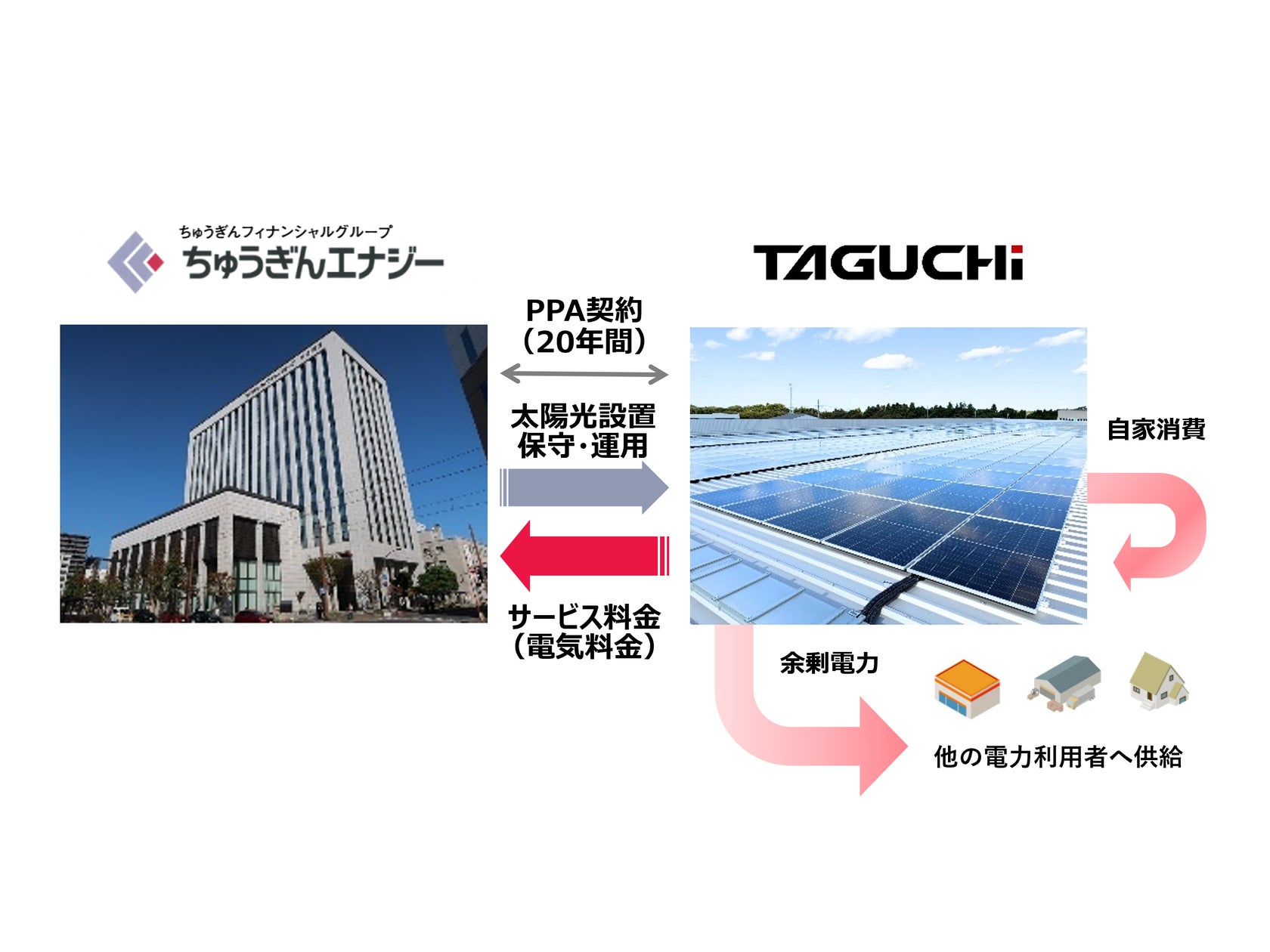
Taguchi Kogyo's Daisen plant begins renewable power supply via onsite solar PPA
Chugin Energy has installed solar power equipment on the roof of the plant of the construction machinery attachment maker to help decarbonize its electricity use.
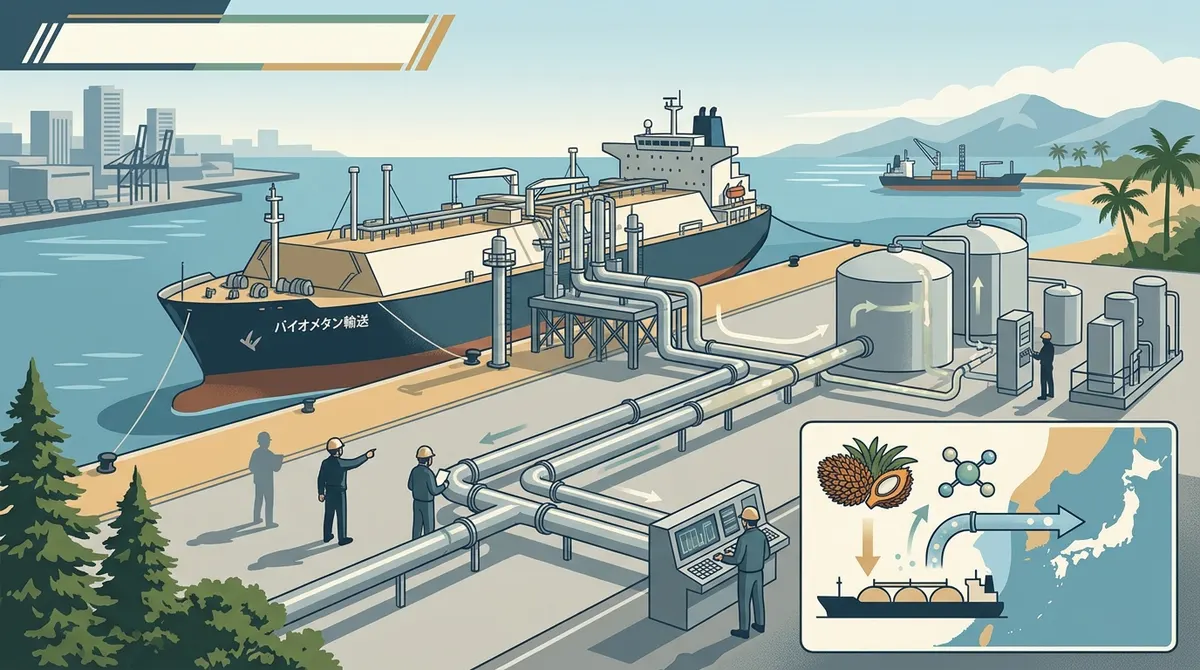
Tokyo Gas imports Malaysian biomethane into Japan for the first time
Tokyo Gas and Petronas jointly imported about 40,000 cubic meters of biomethane at the Ogishima LNG terminal, expanding Asian sourcing.