Iwaki course on carbon neutrality uses local biogas plant to explain developing talent
A joint university-community course in Iwaki City, Fukushima Prefecture, used a locally run biogas power plant to teach students how to lead decarbonization efforts.

The Iwaki Carbon Neutral Society Joint Course held a lecture in Iwaki City, Fukushima Prefecture, on the 20th. The course aims to train people who can lead efforts in their communities to achieve net-zero greenhouse gas emissions, known as carbon neutrality. Students deepened their understanding of decarbonization efforts under way locally, using a biogas power plant operated in the city by Kyoei, a materials trading company based in Iwaki.
The course is conducted under a framework of social cooperation in which universities and communities work together on local issues. Biogas power was chosen as the lecture topic because it is an example of decarbonization actually working at a local site close to home. The goal of the course is not only to teach knowledge of systems and technologies, but also to increase the number of people who can take action in their communities.
Biogas power works by using microorganisms to ferment organic matter such as food waste, producing a gas composed mainly of methane that is used to generate electricity. Its distinguishing feature is that it turns organic matter that has been treated as waste into a resource, allowing waste treatment and the production of renewable energy to take place at the same time.
Carbon neutrality refers to reducing total greenhouse gas emissions, such as carbon dioxide, to effectively zero by subtracting the amount removed through absorption by forests and through capture and storage. It is the idea of reducing reliance on fossil fuel energy while offsetting the emissions that still occur through absorption and removal.
The lecture showed how these national targets take concrete form as local projects in Iwaki City. A company rooted in the community recycling waste provides material for treating decarbonization as an issue close to people's daily lives.
Kyoei's project introduced in the course links decarbonization with the local economy by using organic matter generated locally for local purposes. Attention will focus on whether people trained through such courses will grow into those who advance community efforts.
Background
Biogas is a methane-based gas made by fermenting food waste and livestock manure with microorganisms. In Japan, it has been introduced in many regions as a way to reduce waste while securing renewable energy. Carbon neutrality is a target of reaching effectively zero net emissions by subtracting removals, such as absorption by forests, from emissions, and efforts at the local level are required. In Iwaki City, the course trains people to achieve these national goals locally through a partnership between a university and the community.
Source: 福島民友新聞社
This article was written by the editors based on the cited report and translated from Japanese.
More news

TESS Group wins contract from Kokuei to install grid-scale battery storage facility
The project covers an approximately 8.3 MWh storage facility, and the group plans to provide aggregation services after equipment delivery.

Haseko, Taisei and Kaneka develop balcony railing solar system for condominiums
Haseko plans to use the glass railing solar product at a condominium project in Shinagawa Ward developed in-house by Haseko.
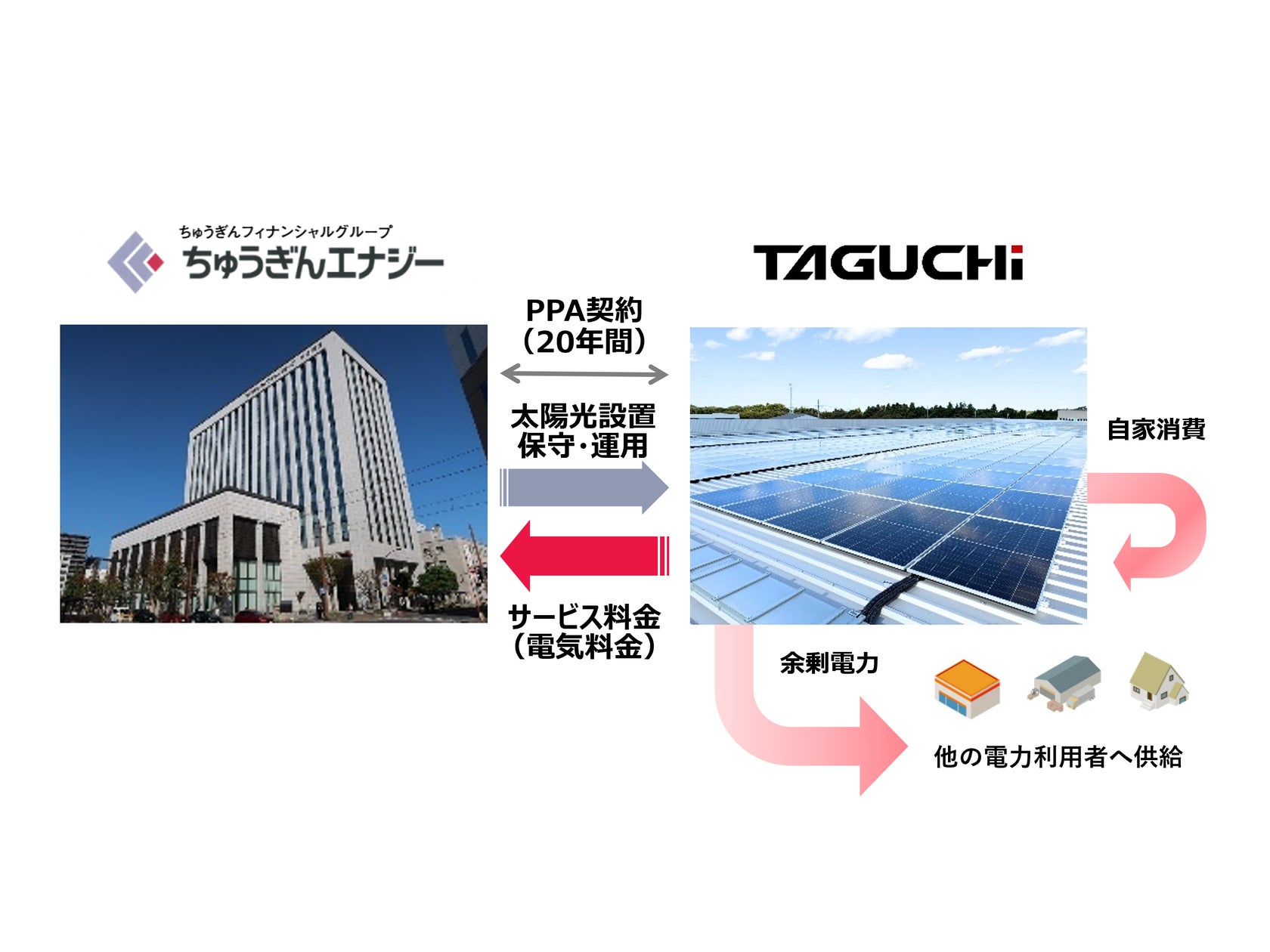
Taguchi Kogyo's Daisen plant begins renewable power supply via onsite solar PPA
Chugin Energy has installed solar power equipment on the roof of the plant of the construction machinery attachment maker to help decarbonize its electricity use.
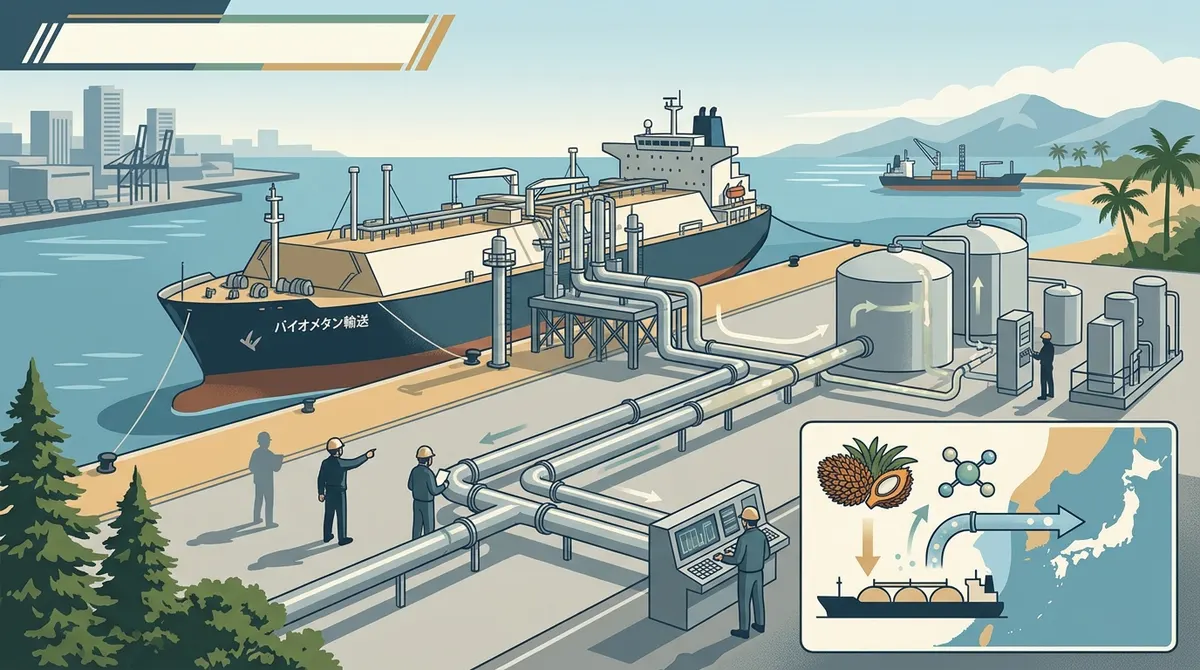
Tokyo Gas imports Malaysian biomethane into Japan for the first time
Tokyo Gas and Petronas jointly imported about 40,000 cubic meters of biomethane at the Ogishima LNG terminal, expanding Asian sourcing.