UL Solutions to acquire Worldly, holder of Higg Index sales rights, for about $350 million
Certification giant UL Solutions has signed a definitive agreement to acquire Worldly, which holds exclusive rights to sell the Higg Index sustainability assessment tool.

UL Solutions, the U.S. testing and certification company, announced on November 17, local time, that it has signed a definitive agreement to acquire Worldly, a U.S. company that provides supply chain data analysis software. The acquisition price on an enterprise-value basis is about $350 million.
UL Solutions provides testing, inspection and certification services in the field of safety science. Worldly is known as the holder of exclusive sales rights to the Higg Index, a sustainability assessment tool widely used in the apparel industry.
In addition to its proprietary software and analytics tools, Worldly holds exclusive rights to sell the Higg Index, an assessment framework widely used in the consumer goods industry. Its ability to aggregate data for each manufacturing site is seen as valuable to companies seeking supply chain transparency.
The move comes as companies face growing demands, led by Europe, to disclose information about suppliers' human rights and environmental practices, raising demand for accurate data on sites across supply chains. The push by testing and certification bodies to strengthen their data analytics capabilities can be seen as a response to that demand.
Background
Sustainability assessments require companies to track the environmental impact, chemical management and other conditions of raw materials and factories at each manufacturing site in their supply chains. In the apparel industry, the burden of brands repeatedly auditing individual factories has been a persistent challenge. Common assessment frameworks and centralized site data have spread as a way to reduce that burden. As regulations requiring companies to conduct human rights and environmental due diligence and disclose information have spread, led by Europe, demand for accurate, verifiable supply chain data has grown.
Source: Oui Speak Fashion (OSF)
This article was written by the editors based on the cited report and translated from Japanese.
More news

TESS Group wins contract from Kokuei to install grid-scale battery storage facility
The project covers an approximately 8.3 MWh storage facility, and the group plans to provide aggregation services after equipment delivery.

Haseko, Taisei and Kaneka develop balcony railing solar system for condominiums
Haseko plans to use the glass railing solar product at a condominium project in Shinagawa Ward developed in-house by Haseko.
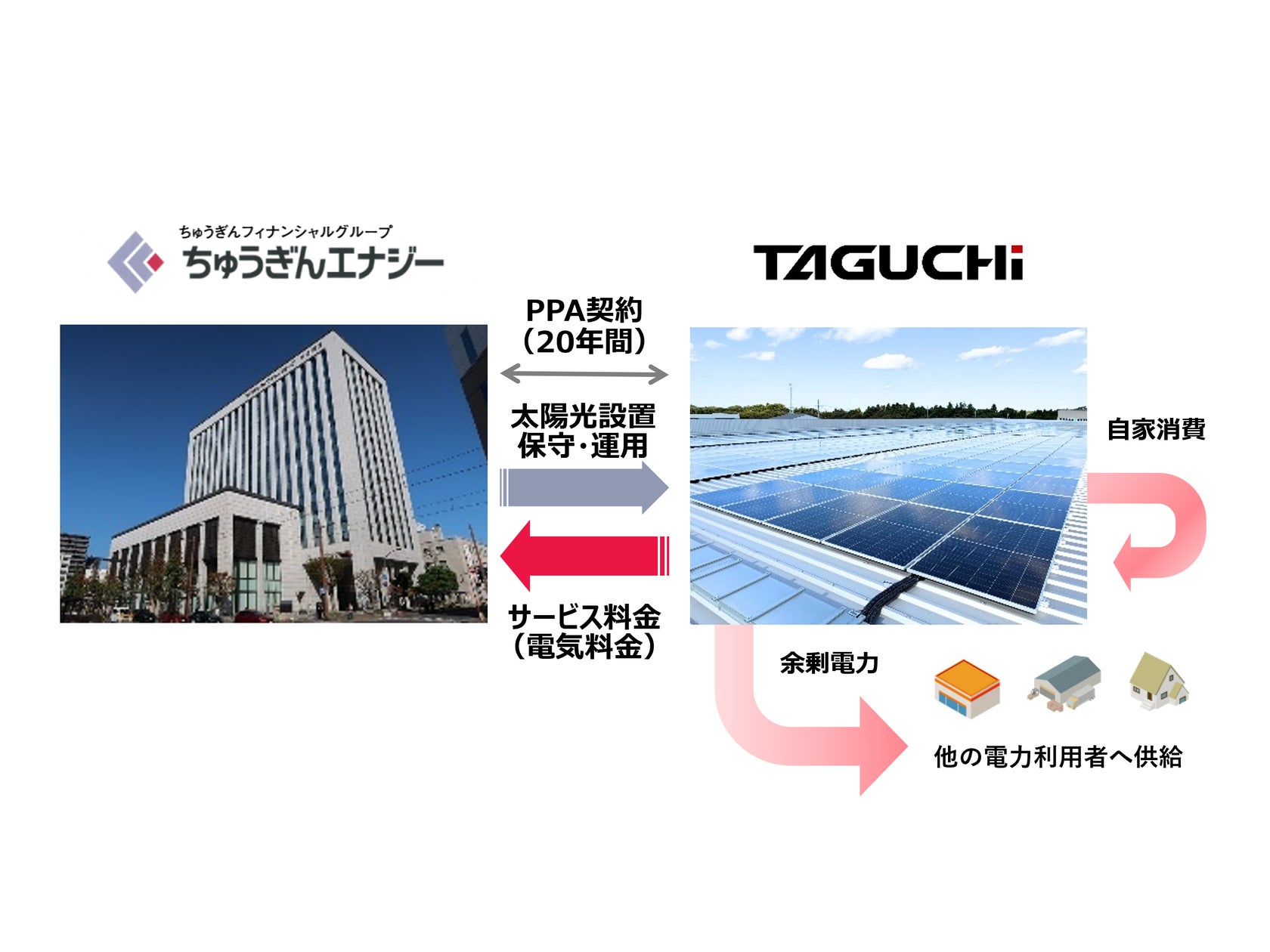
Taguchi Kogyo's Daisen plant begins renewable power supply via onsite solar PPA
Chugin Energy has installed solar power equipment on the roof of the plant of the construction machinery attachment maker to help decarbonize its electricity use.

Tokyo Gas imports Malaysian biomethane into Japan for the first time
Tokyo Gas and Petronas jointly imported about 40,000 cubic meters of biomethane at the Ogishima LNG terminal, expanding Asian sourcing.