Japan Unveils Climate Initiative at COP31 Focusing on Adaptation and Clean Technology
Japan's new initiative centers on climate adaptation, overseas deployment of decarbonization technology and international cooperation, with a focus on Asia.

The Ministry of the Environment said on November 17 that Environment Minister Hiroyoshi Sasakawa announced the Japan Climate Change Initiative 2026 at the 31st Conference of the Parties (COP31) to the United Nations Framework Convention on Climate Change, which is being held in Turkey. The initiative rests on three pillars: adapting to climate change, deploying decarbonization technology overseas and strengthening international partnerships. The government plans to support global climate action, with a focus on Asia.
On adaptation, Japan will newly launch the Asia-Pacific Early Warning Systems Network (NEWS). The program will support the introduction of technologies such as weather observation and flood forecasting, the strengthening of operational capacity and the implementation of adaptation plans. The aim is to build systems that can issue early warnings quickly in regions prone to natural disasters.
For the deployment of decarbonization technology, the Japan Pavilion at COP31 will showcase four fields: zero waste, climate-resilient cities, clean energy and improved transparency using satellites. Japanese companies will promote their technologies overseas, including waste recycling, perovskite solar cells and satellite observation of greenhouse gases.
Perovskite solar cells are next-generation solar cells that are thin, lightweight and can be bent. They could be used in places where conventional silicon-based panels are difficult to install, and their spread is anticipated.
On international cooperation, Japan released an interim report on CAMPUR, a climate change cooperation initiative with the member states of the Association of Southeast Asian Nations (ASEAN). Japan will also promote emission reduction activities through the Joint Crediting Mechanism (JCM). Under the JCM, Japan spreads decarbonization technology in partner countries, and the resulting emission reductions are shared by both countries as credits. The number of JCM partner countries has expanded to 32.
COP31 is a yearly meeting where parties to the United Nations Framework Convention on Climate Change gather to discuss the direction of greenhouse gas reduction and support for developing countries. Japan's approach is distinctive in combining the export of technology with adaptation support for developing nations.
Background
The Conference of the Parties (COP) to the United Nations Framework Convention on Climate Change has been held every year since the convention took effect in 1994, discussing greenhouse gas reduction and support for developing countries. Japan has pursued international cooperation through technology and finance, and the Joint Crediting Mechanism (JCM) is a representative example of this. Advancing both climate adaptation in developing countries and the spread of decarbonization technology at the same time has become a major issue in recent international negotiations.
Source: ESG Journal
This article was written by the editors based on the cited report and translated from Japanese.
More news

TESS Group wins contract from Kokuei to install grid-scale battery storage facility
The project covers an approximately 8.3 MWh storage facility, and the group plans to provide aggregation services after equipment delivery.

Haseko, Taisei and Kaneka develop balcony railing solar system for condominiums
Haseko plans to use the glass railing solar product at a condominium project in Shinagawa Ward developed in-house by Haseko.
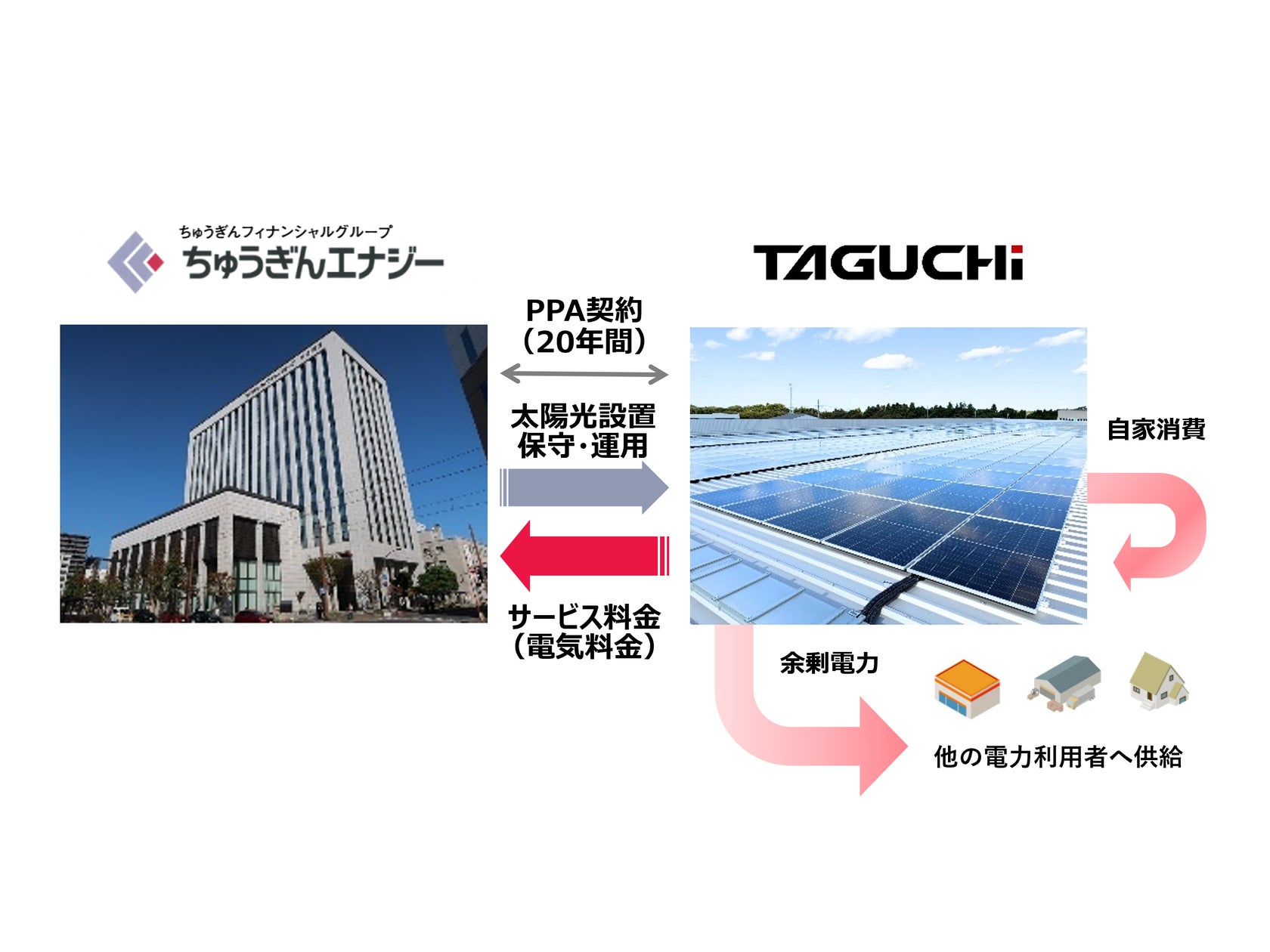
Taguchi Kogyo's Daisen plant begins renewable power supply via onsite solar PPA
Chugin Energy has installed solar power equipment on the roof of the plant of the construction machinery attachment maker to help decarbonize its electricity use.

Tokyo Gas imports Malaysian biomethane into Japan for the first time
Tokyo Gas and Petronas jointly imported about 40,000 cubic meters of biomethane at the Ogishima LNG terminal, expanding Asian sourcing.