Toyota to race hydrogen fuel-cell vehicle in 2027 Dakar Rally alongside Hilux entries
Toyota will compete in two categories at the 2027 Dakar Rally, including a class for vehicles using hydrogen fuel-cell technology.

Toyota GAZOO Racing announced it will compete in two categories at the 2027 Dakar Rally: the top Ultimate class and the Dakar Future Mission 1000 class, which uses hydrogen fuel-cell technology. The team will take on the 49th edition of the event as a single team integrating GAZOO Racing Europe and GAZOO Racing South Africa.
The 2027 edition will run from January 9 to January 23, starting in Portugal and crossing the desert regions of Morocco. Of the 7,824-kilometer route, 4,341 kilometers are timed stages, and the race will be contested over 12 stages.
The vehicle entered in the Ultimate class is a purpose-built competition car based on the latest ninth-generation Toyota Hilux. It has a lightweight tubular chassis, reinforced suspension, dampers and brakes, and is equipped with a V35A 3.5-liter V6 twin-turbo engine.
Five crews will compete: Guy Botterill and Henry Cone, Henk Lategan and Brett Cummings, Ko Miura and Armando Monleon, Seth Quintero and Andrew Short, and Saoud Variawa and Sharan Moore.
Ko Miura is the Japanese driver who has won the Dakar Rally production vehicle category five times with the Land Cruiser. In the 2027 edition he will compete in the Ultimate class.
The hydrogen fuel-cell class is a competition in which vehicles generate electricity by combining hydrogen and oxygen and run on that power. Fuel cells emit only water, and the class is seen as a venue for testing technology for next-generation competition vehicles from a decarbonization perspective.
The Dakar Rally is known as a grueling long-distance desert rally in which production-based vehicles and purpose-built competition cars race on the same routes. The significance of the hydrogen class lies in testing technology that goes beyond the internal combustion engine in competition.
Attention will focus on whether the results of the 2027 edition and the performance of the hydrogen fuel-cell vehicle will influence future debate on electrification and the use of hydrogen.
Source: Yahoo!ニュース
This article was written by the editors based on the cited report and translated from Japanese.
More news

TESS Group wins contract from Kokuei to install grid-scale battery storage facility
The project covers an approximately 8.3 MWh storage facility, and the group plans to provide aggregation services after equipment delivery.

Haseko, Taisei and Kaneka develop balcony railing solar system for condominiums
Haseko plans to use the glass railing solar product at a condominium project in Shinagawa Ward developed in-house by Haseko.
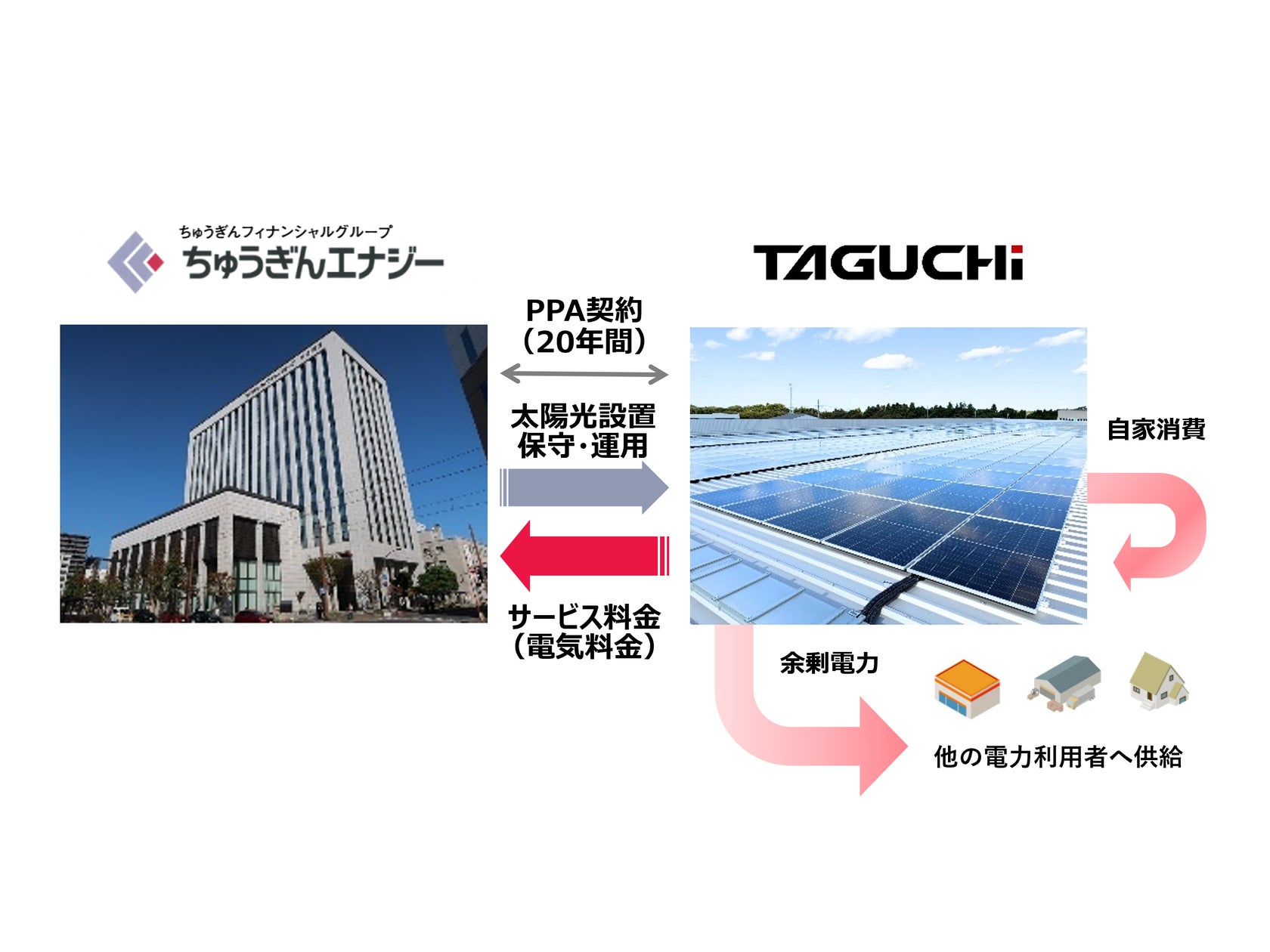
Taguchi Kogyo's Daisen plant begins renewable power supply via onsite solar PPA
Chugin Energy has installed solar power equipment on the roof of the plant of the construction machinery attachment maker to help decarbonize its electricity use.
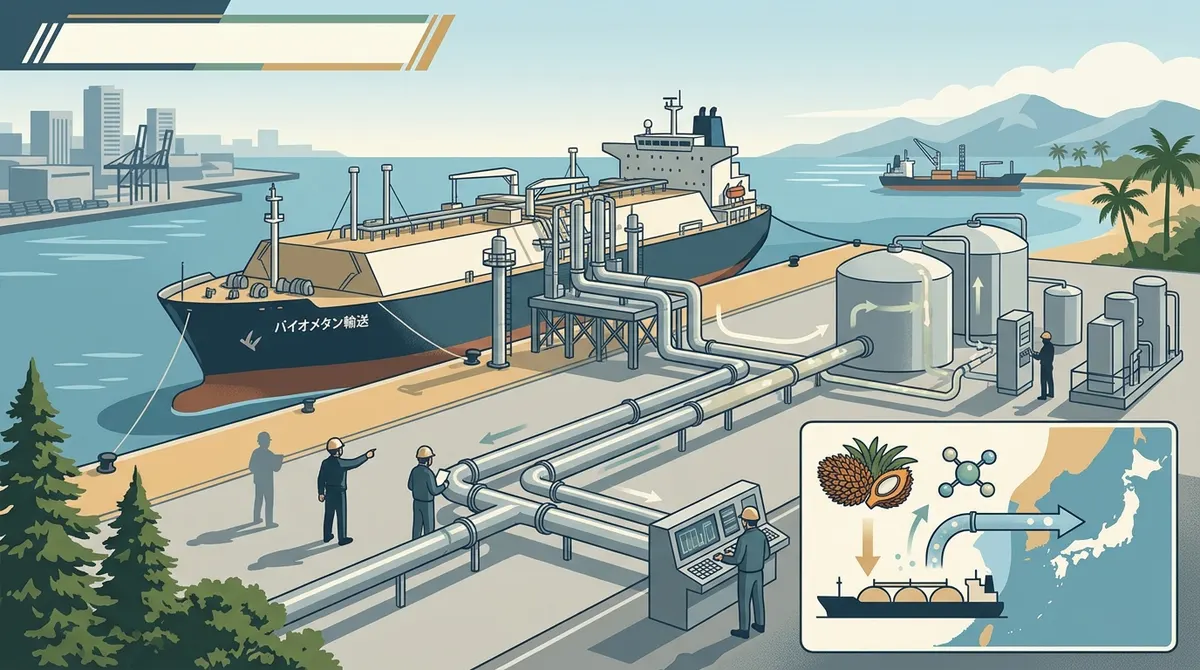
Tokyo Gas imports Malaysian biomethane into Japan for the first time
Tokyo Gas and Petronas jointly imported about 40,000 cubic meters of biomethane at the Ogishima LNG terminal, expanding Asian sourcing.