Fujitsu unveils simulation results for hydrogen fuel cell truck operations in Belgium
Fujitsu said the demonstration ran from January to October 2026 in Flanders and drew on Toyota's European hub and partners to reflect real-world operating conditions.
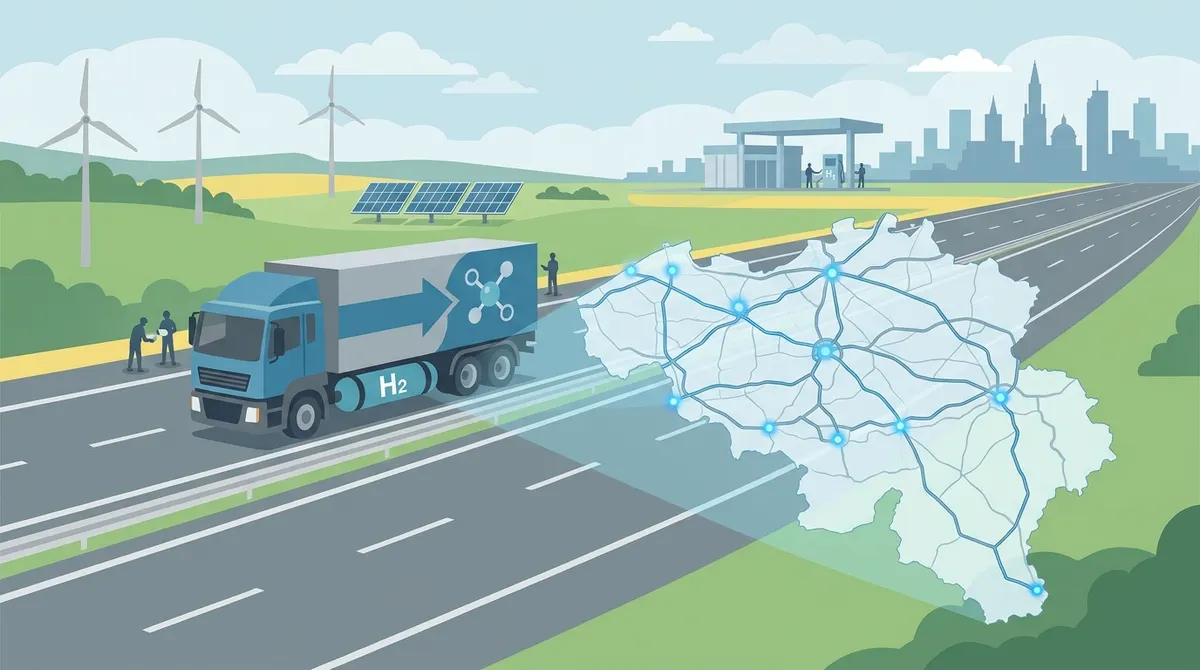
Fujitsu presented the results of a demonstration on simulating the operation of hydrogen fuel cell trucks in Belgium at European Hydrogen Week, held in Brussels from Oct. 26 to 30, according to a press release from the company. The demonstration was conducted from January to October 2026 on the road network of the Flanders region of Belgium.
Fujitsu did not carry out the experiment on its own. It worked with Toyota Motor Europe (TME), Toyota's European regional headquarters based in Belgium, Virya Energy, a renewable energy company, and WaterstofNet, a trade association for the hydrogen industry in the Benelux region.
A fuel cell produces electricity by reacting hydrogen with oxygen. Because the electricity generated drives a motor, fuel cell vehicles are classified as a type of electric vehicle. Hydrogen is produced through methods such as water electrolysis and reforming natural gas, and it is used in fuel cells as well as in power generation and industrial applications.
A key advantage of hydrogen fuel cell vehicles is that refueling takes relatively little time. Europe has been studying the use of hydrogen as an alternative to battery-electric systems for large trucks that haul heavy loads over long distances, where charging can take a long time.
The demonstration is distinctive in that it tests vehicle technology in combination with actual traffic conditions, fuel prices and refueling networks. It can be seen as an effort to assess in advance the profitability of overall operations, not just vehicle performance.
Fujitsu has made public the framework for its simulation and the operating conditions it set. The focus going forward will be on how the framework is applied to operation plans of transport companies and to the development of refueling stations.
Background
Europe is facing the challenge of decarbonizing heavy vehicles, and the introduction of commercial vehicles that run on hydrogen is being considered. A hydrogen fuel cell generates electricity through a reaction between hydrogen and oxygen, and that electricity powers the vehicle. Large trucks need to travel long distances and carry heavy loads, so the location of refueling stations and fuel costs determine whether operations are profitable. Interest is growing in methods that test these conditions in advance.
Source: Infoseek
This article was written by the editors based on the cited report and translated from Japanese.
More news

TESS Group wins contract from Kokuei to install grid-scale battery storage facility
The project covers an approximately 8.3 MWh storage facility, and the group plans to provide aggregation services after equipment delivery.

Haseko, Taisei and Kaneka develop balcony railing solar system for condominiums
Haseko plans to use the glass railing solar product at a condominium project in Shinagawa Ward developed in-house by Haseko.
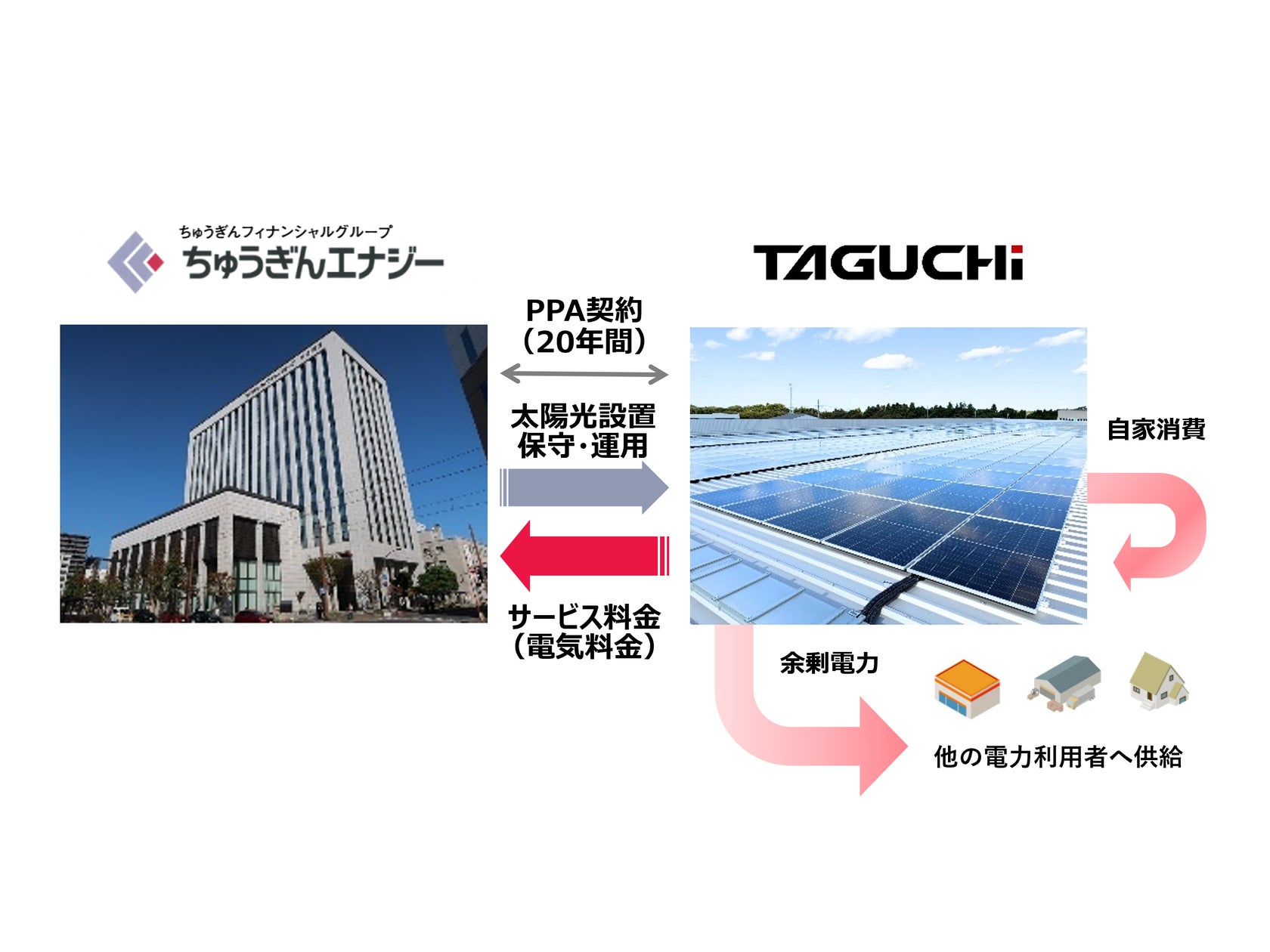
Taguchi Kogyo's Daisen plant begins renewable power supply via onsite solar PPA
Chugin Energy has installed solar power equipment on the roof of the plant of the construction machinery attachment maker to help decarbonize its electricity use.
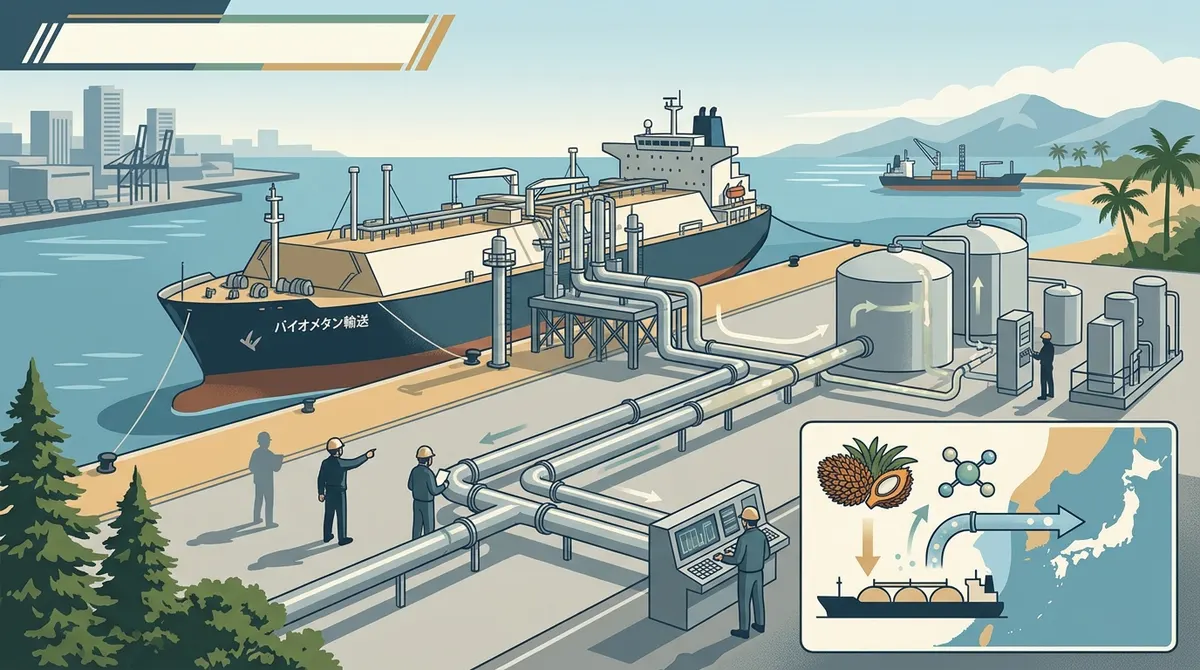
Tokyo Gas imports Malaysian biomethane into Japan for the first time
Tokyo Gas and Petronas jointly imported about 40,000 cubic meters of biomethane at the Ogishima LNG terminal, expanding Asian sourcing.