CommBank picks Hysata, Lactamo and Janus Electric in first business innovation awards
Australia's CommBank named three winners, including green hydrogen firm Hysata, from 15 finalists in its first business innovation awards.

Australian bank CommBank said it has selected Lactamo, Janus Electric and Hysata as winners of its first CommBank Business Innovation Awards. The winners were chosen from 15 finalists.
The three winning businesses operate in different fields. Lactamo makes breastfeeding aids that grew out of its founder's own experience with breastfeeding difficulties. Janus Electric supports a family transport business's effort to electrify its diesel vehicles. Hysata has developed a technology to produce green hydrogen using less energy, based on research at a laboratory in Wollongong.
Hysata's technology was recognized for its effect on the efficiency of hydrogen production. Green hydrogen is produced by electrolyzing water with renewable electricity. If the amount of electricity needed for production can be reduced, production costs can be lowered. Hydrogen is expected to be used in fuel cells and in industries where decarbonization is difficult, but production costs have been a barrier to wider adoption.
The businesses of the finalists honored range widely, from cargo transport in space to materials manufacturing. The selection can be seen as recognizing companies that use technology to tackle challenges facing existing industries.
The production cost of green hydrogen depends on the efficiency of electrolyzers and the price of renewable electricity. Technologies such as Hysata's, which reduce electricity use, are drawing attention as one way to lower costs.
Background
Hydrogen produced by electrolyzing water with electricity from renewable energy sources emits no carbon dioxide during production and is called green hydrogen. However, because production requires large amounts of electricity, high cost has long been a challenge. Research to improve the efficiency of electrolyzers is underway in many countries, and the commercialization of technologies that reduce electricity use is seen as key to wider adoption. Electrification of diesel vehicles is also attracting growing interest as a means of decarbonizing the transport sector.
Source: CommBank
This article was written by the editors based on the cited report and translated from Japanese.
More news

TESS Group wins contract from Kokuei to install grid-scale battery storage facility
The project covers an approximately 8.3 MWh storage facility, and the group plans to provide aggregation services after equipment delivery.

Haseko, Taisei and Kaneka develop balcony railing solar system for condominiums
Haseko plans to use the glass railing solar product at a condominium project in Shinagawa Ward developed in-house by Haseko.
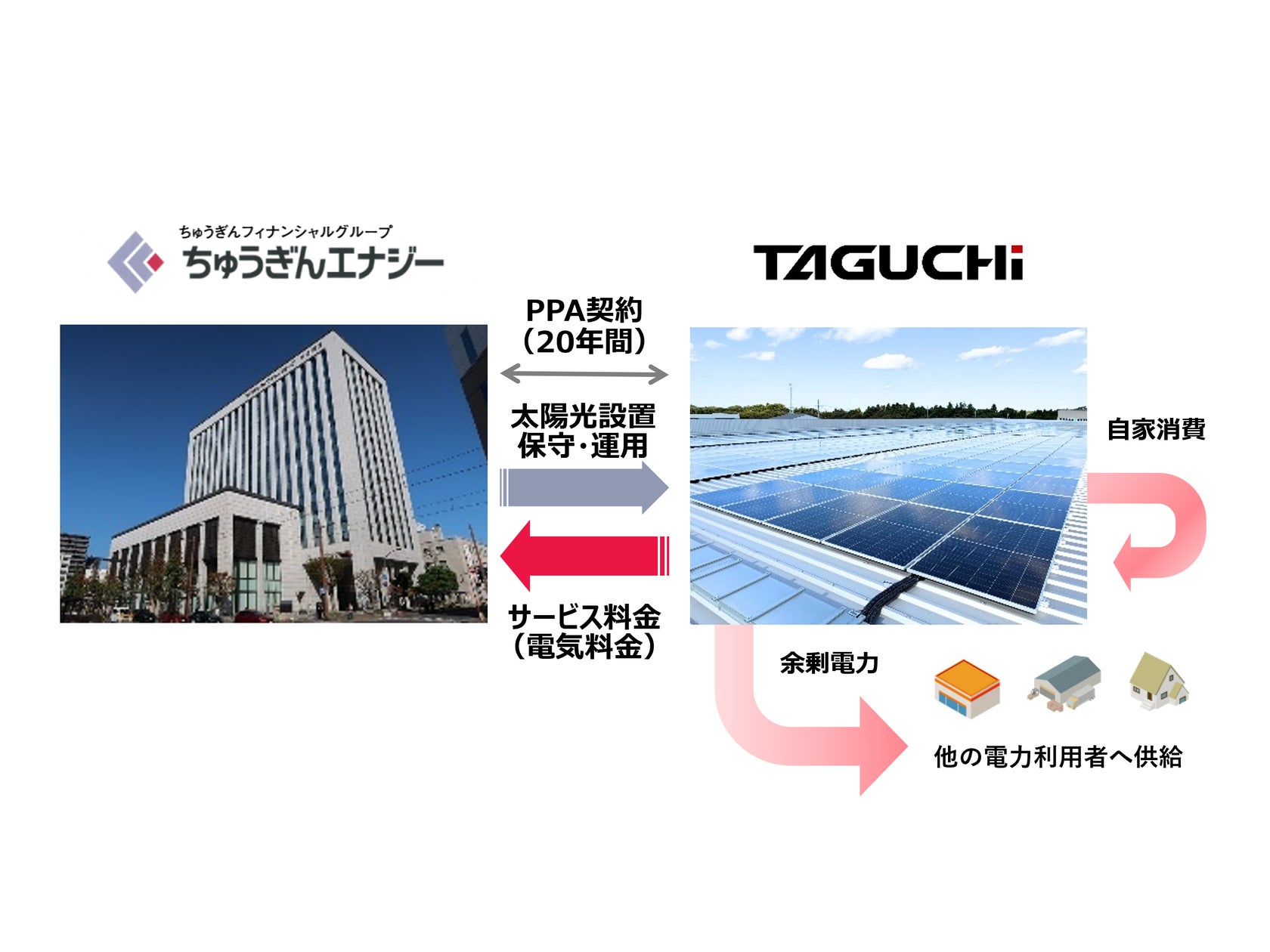
Taguchi Kogyo's Daisen plant begins renewable power supply via onsite solar PPA
Chugin Energy has installed solar power equipment on the roof of the plant of the construction machinery attachment maker to help decarbonize its electricity use.
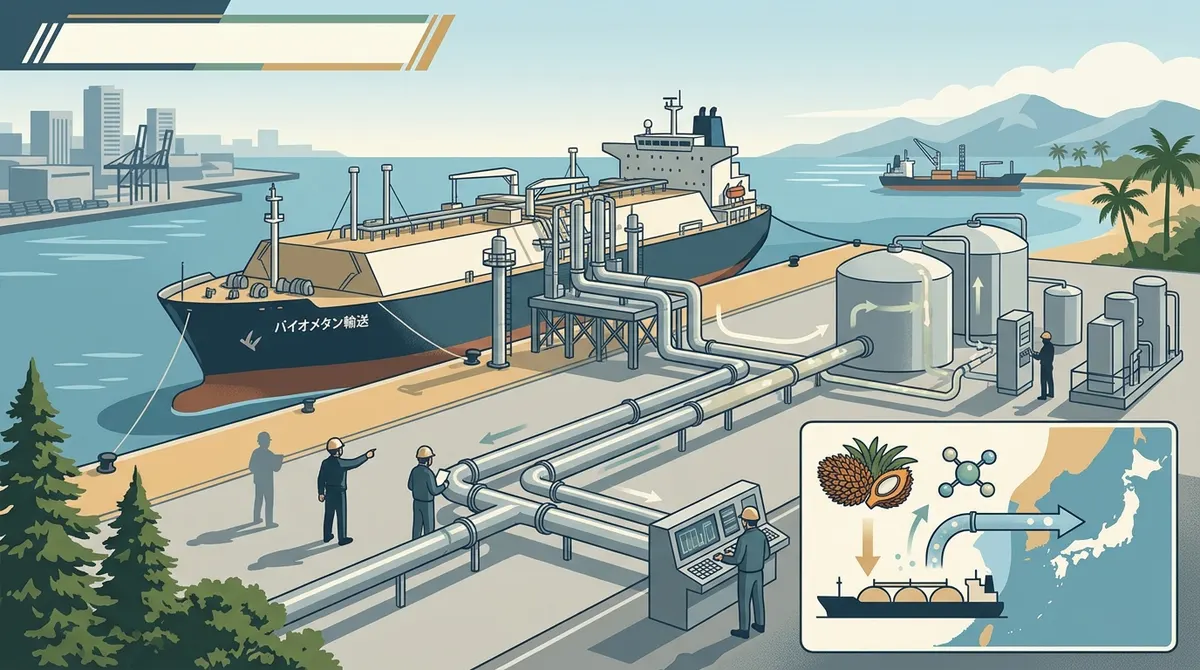
Tokyo Gas imports Malaysian biomethane into Japan for the first time
Tokyo Gas and Petronas jointly imported about 40,000 cubic meters of biomethane at the Ogishima LNG terminal, expanding Asian sourcing.