AcrossDigital receives patent for hourly grid CO2 emissions forecasting technology
The patented method forecasts hour-by-hour emissions for the power grid, supporting 24/7 carbon-free electricity assessments developed jointly with JERA Cross.

AcrossDigital Inc. announced on Nov. 19, 2026, that it has obtained a patent (Patent No. 7926206) for a technology developed jointly with JERA Cross Inc. that forecasts CO2 emissions from the power grid on an hourly basis and more accurately assesses the CO2 emissions of electricity that companies procure.
Corporate decarbonization efforts are spreading at home and abroad, beyond the traditional approach of matching renewable electricity volumes on an annual basis. These include 24/7 carbon-free electricity and hourly matching, which pair each hour's electricity use with carbon-free power. To put these into practice, companies need to know how much CO2 the electricity supplied from the grid emits in each time period.
Visualization of past emissions data has advanced, but no established method existed for forecasting hourly emissions based on future power generation mixes and supply-demand conditions. The patent covers technology that performs this forecast.
Another challenge is double counting. When a company procures electricity from a specific source, such as a solar power plant, under a power purchase agreement (PPA), a long-term contract to buy and sell electricity between a generator and a consumer, and buys the shortfall from the grid, the grid's emissions data also includes the output of that same plant. Simply adding the figures counts the emissions twice. This duplication can become too large to ignore in regions with large amounts of specific power sources and at data centers.
The patent reportedly includes a system that forecasts hourly emissions from the grid and calculates the emissions of the electricity a company procures while removing this duplication. It is positioned as a foundational technology that enables companies to precisely manage CO2 associated with their electricity procurement on an hourly basis.
For large consumers such as data centers that use large amounts of electricity around the clock, the accuracy of emissions calculations is directly tied to the credibility of their decarbonization efforts. As hourly management becomes necessary, standardization of calculation methods is expected to become a key issue going forward.
Background
Decarbonization of electricity is shifting from annual matching, which compares renewable volumes over a year, to hourly matching, which pairs them hour by hour. For companies to accurately report CO2 reductions, they need to understand the hourly emissions of the grid itself. A PPA is a long-term contract under which a generator and a consumer buy and sell electricity, and it is spreading as a way to procure specific renewable sources. Because the output of individual contracts is also included in grid data, double counting of emissions can easily occur. Against this backdrop, systems for forecasting and calculating hourly emissions are being developed.
Source: PR TIMES
This article was written by the editors based on the cited report and translated from Japanese.
More news

TESS Group wins contract from Kokuei to install grid-scale battery storage facility
The project covers an approximately 8.3 MWh storage facility, and the group plans to provide aggregation services after equipment delivery.
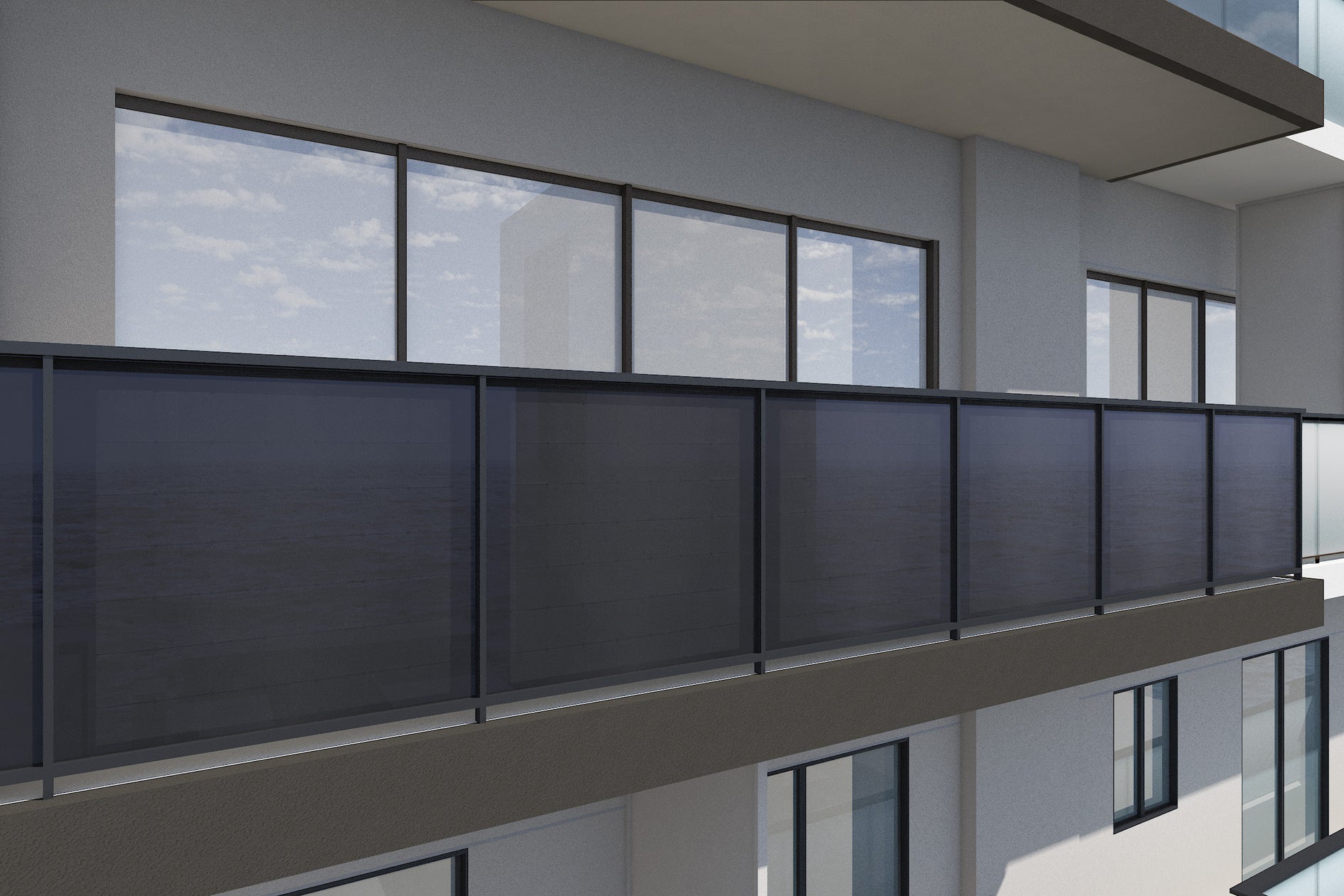
Haseko, Taisei and Kaneka develop balcony railing solar system for condominiums
Haseko plans to use the glass railing solar product at a condominium project in Shinagawa Ward developed in-house by Haseko.
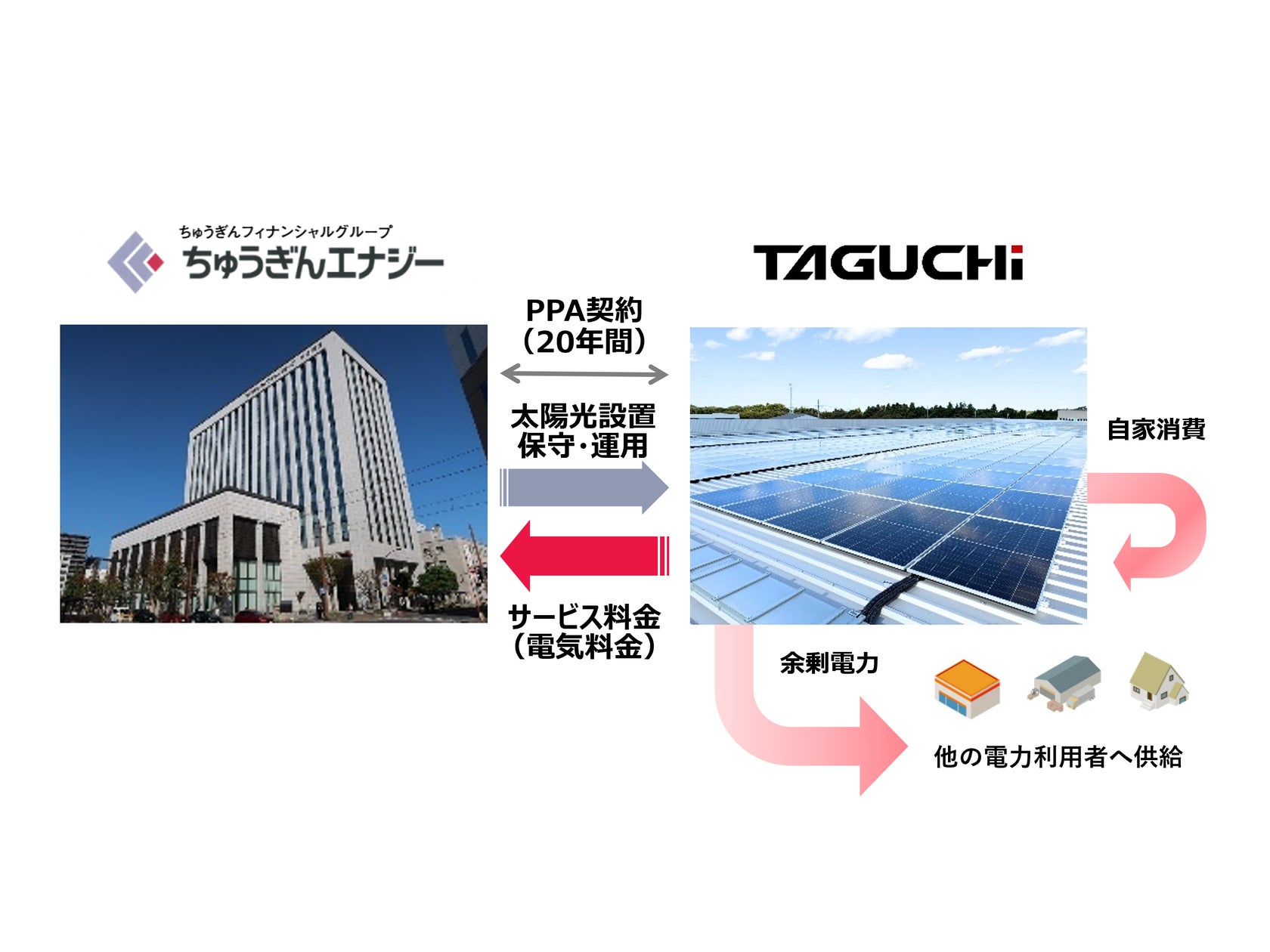
Taguchi Kogyo's Daisen plant begins renewable power supply via onsite solar PPA
Chugin Energy has installed solar power equipment on the roof of the plant of the construction machinery attachment maker to help decarbonize its electricity use.
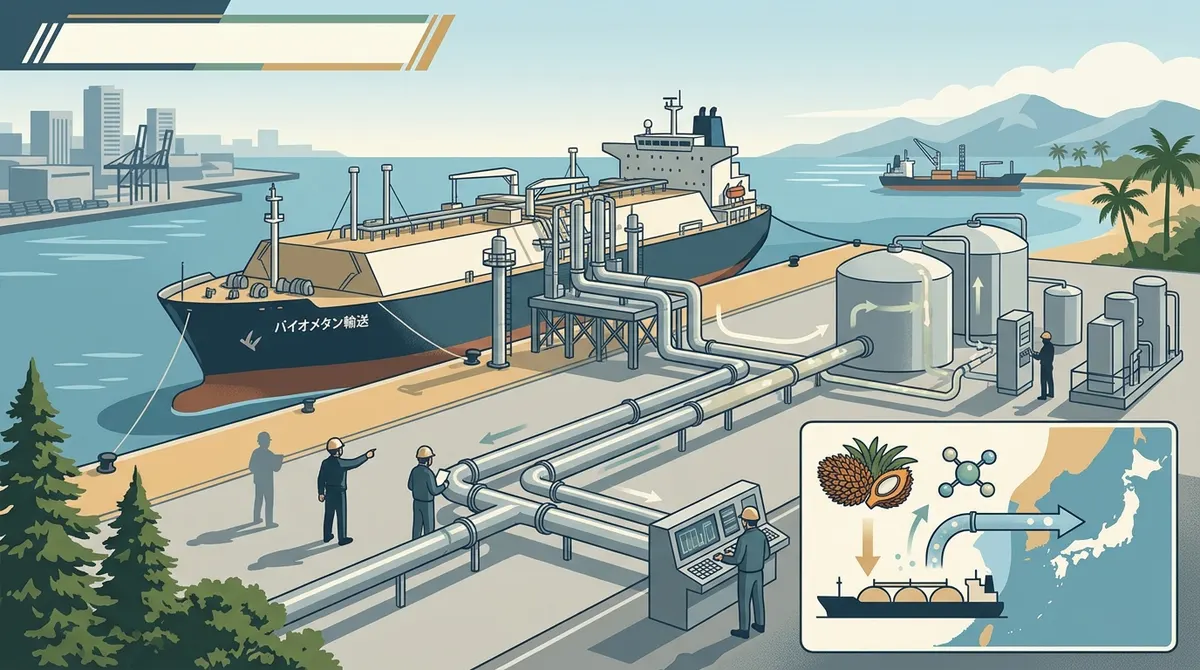
Tokyo Gas imports Malaysian biomethane into Japan for the first time
Tokyo Gas and Petronas jointly imported about 40,000 cubic meters of biomethane at the Ogishima LNG terminal, expanding Asian sourcing.