Kanro tests e-methane clean gas certificates in Pure Gummy sales at six Mandai stores
The Nov. 18-30 demonstration in Hyogo and Osaka will examine whether promoting environmental value affects purchases, in what Kanro calls the first in-store test in Japan.

Kanro said on the 18th that it has begun a demonstration with the Japan Research Institute, Daigas Energy and supermarket chain Mandai to examine how consumers' purchasing behavior changes when the environmental value of e-methane is promoted. The project will test whether producing and labeling Pure Gummy with e-methane value, and selling it in stores, helps create demand. The value is represented by clean gas certificates for e-methane made from hydrogen and carbon dioxide. Kanro said the test is the first in Japan to examine consumer reactions in physical stores.
The demonstration runs from Nov. 18 to 30, when varieties of Pure Gummy will be sold at six Mandai stores in Hyogo and Osaka prefectures. Phrases selected through a preliminary survey will be displayed on shelves and in point-of-purchase (POP) displays. After sales, the company will analyze survey responses and point-of-sale data to measure the effect on consumer awareness and purchases. A follow-up survey and purchase analysis are scheduled for about December 2026 to January 2027.
Daigas Energy is responsible for planning the overall supply of clean gas certificates and will advise on how to communicate the decarbonization value of e-methane. The project is also notable for being conducted as part of a commissioned project from the Ministry of the Environment.
The environmental value shown by the certificates comes from e-methane produced in a demonstration by INPEX and Osaka Gas. The e-methane is made by combining carbon dioxide captured at the Koshiji-hara plant of INPEX JAPAN Nagaoka Mine in Nagaoka, Niigata Prefecture, with hydrogen. Matsumoto Gas acts as the intermediary and supplies the certificates to Kanro's Matsumoto plant in Matsumoto, Nagano Prefecture, together with city gas. The scale of the certificates is said to equal 1 ton of CO2.
Kanro uses renewable energy for the electricity at its Matsumoto plant. It is also working to present, from a Scope 2 perspective, the reduction in greenhouse gas emissions linked to energy use in manufacturing the products sold at all 170 Mandai stores during the demonstration period.
E-methane is methane synthesized from hydrogen and captured CO2. It has attracted attention as an option for decarbonization because existing city gas facilities can use it as is. Certificates are a system in which the environmental value created in production is traded separately from the physical gas.
The significance of this demonstration is that it will use sales data to determine whether promoting environmental value changes consumer choices. The results are expected to be analyzed in early 2027 and are expected to serve as a reference for food manufacturers when they put decarbonization labels on their products.
Background
E-methane is synthetic methane produced by combining hydrogen and carbon dioxide. Because it has the same composition as city gas, it can use existing infrastructure. Environmental value is traded as clean gas certificates separately from the physical flow of gas. Under this system, users can reflect the value of emissions reduced during production in their own emissions accounting. As companies increasingly label their products with decarbonization efforts, the project is positioned as an attempt to verify the effect of such labels through consumer purchasing behavior.
Source: リム情報開発株式会社
This article was written by the editors based on the cited report and translated from Japanese.
More news

TESS Group wins contract from Kokuei to install grid-scale battery storage facility
The project covers an approximately 8.3 MWh storage facility, and the group plans to provide aggregation services after equipment delivery.

Haseko, Taisei and Kaneka develop balcony railing solar system for condominiums
Haseko plans to use the glass railing solar product at a condominium project in Shinagawa Ward developed in-house by Haseko.
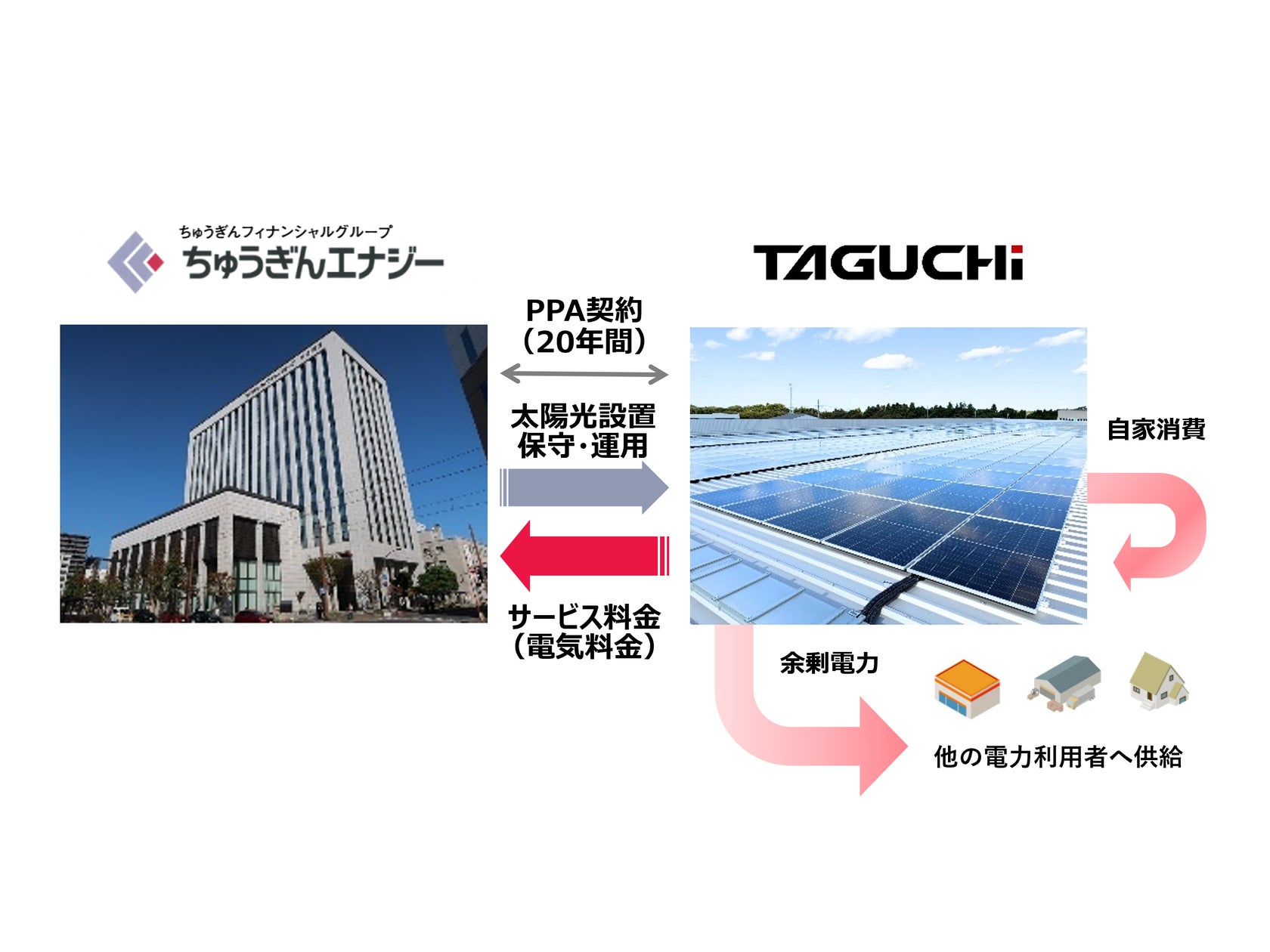
Taguchi Kogyo's Daisen plant begins renewable power supply via onsite solar PPA
Chugin Energy has installed solar power equipment on the roof of the plant of the construction machinery attachment maker to help decarbonize its electricity use.
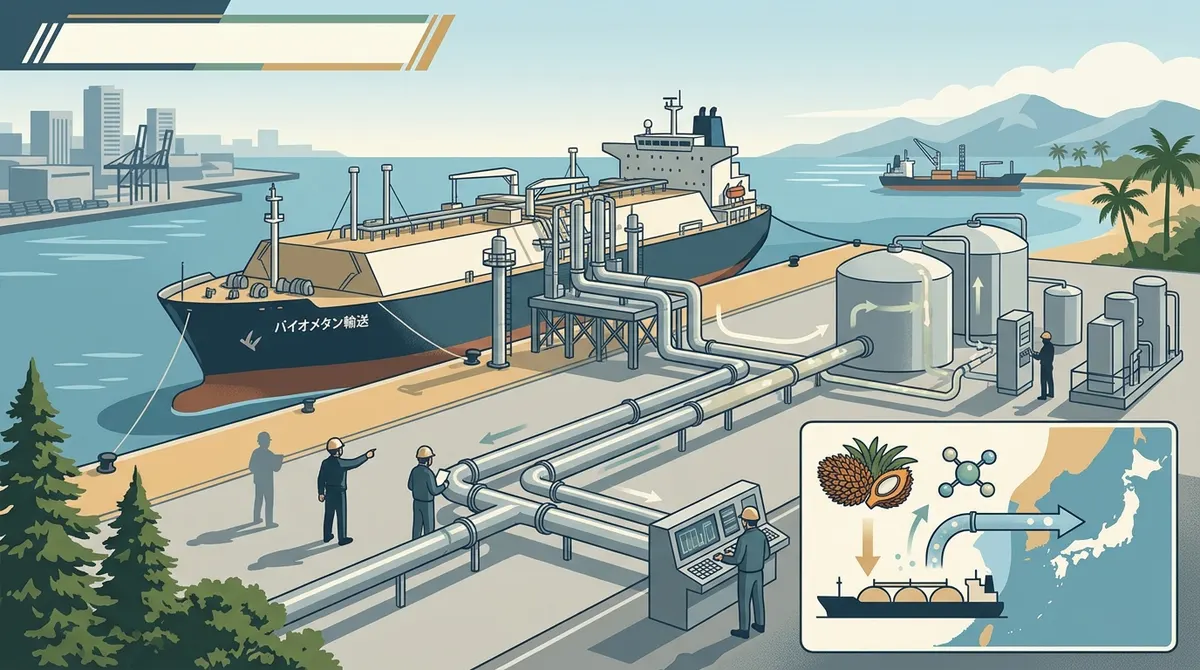
Tokyo Gas imports Malaysian biomethane into Japan for the first time
Tokyo Gas and Petronas jointly imported about 40,000 cubic meters of biomethane at the Ogishima LNG terminal, expanding Asian sourcing.