Naha Airport terminal begins testing inner-window perovskite solar cells
Four companies have started verifying building-integrated solar power using glass-type perovskite cells in the inner windows of the Naha Airport terminal, to test performance in Okinawa's conditions.
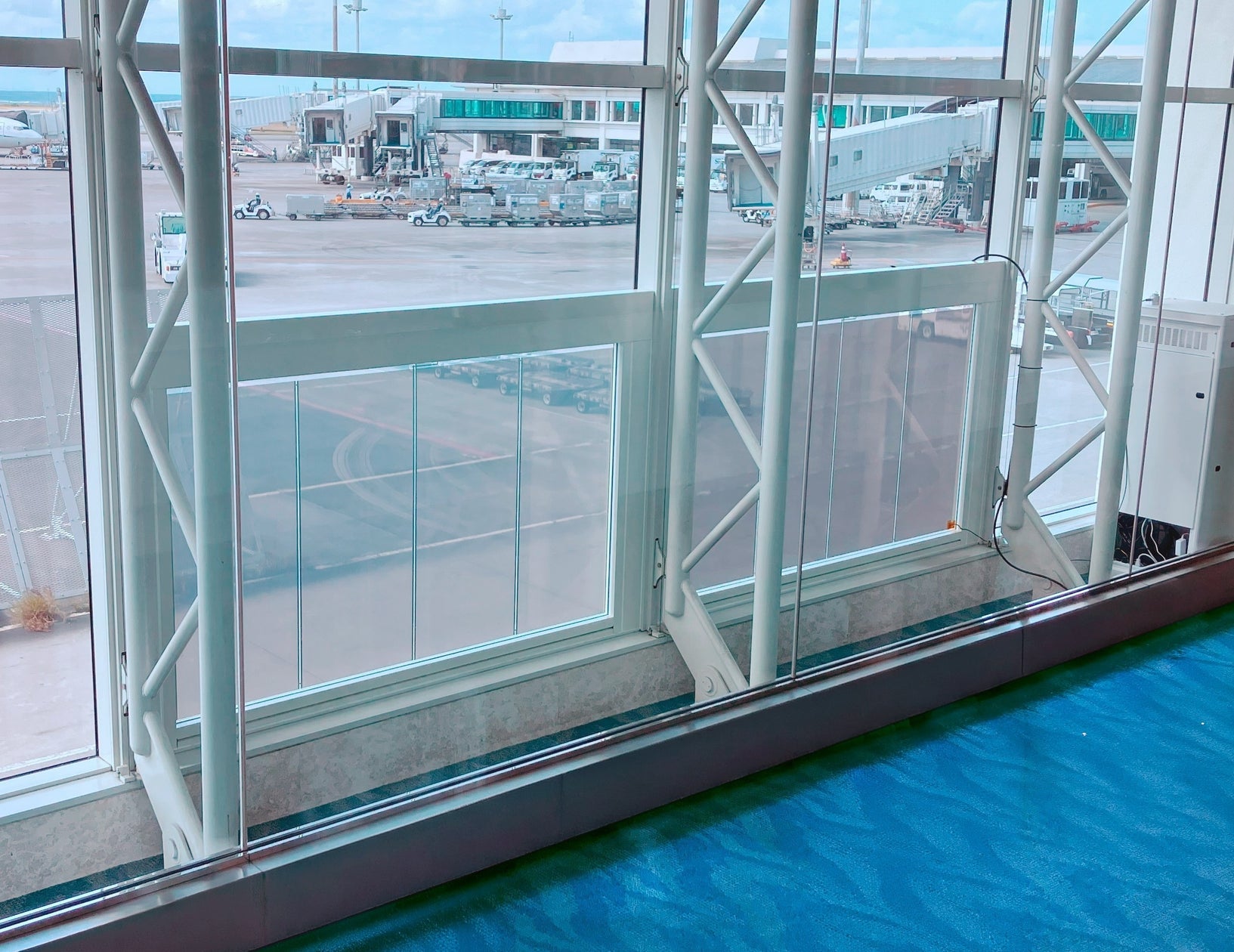
Naha Airport Building, the Okinawa branch of Craftia, YKK AP and YKK AP Okinawa announced on November 19, 2026, that they have begun verifying the installation of building-integrated photovoltaics (BIPV) that use glass-type perovskite solar cells in the inner windows of the Naha Airport passenger terminal building. It is the first such verification of BIPV inner windows in an airport terminal building in Japan.
The verification uses the terminal building's windows as power-generating surfaces. It will test a system in which glass-type perovskite solar cells built into the inner windows generate electricity from inside the building.
BIPV is a method of integrating solar cells into building exterior walls, windows and roofs, allowing existing buildings to generate power. It is considered effective in areas where sites for large-scale solar panels are limited.
Perovskite solar cells are next-generation solar cells that are thin, lightweight and can be bent. The glass-type version is notable for its ability to generate electricity while remaining transparent.
The Seventh Strategic Energy Plan sets a policy of raising the share of solar power in the power mix to 22 to 29 percent by 2040. Accelerating the social implementation of next-generation solar cells is required to achieve this goal.
Okinawa has typhoons, salt damage and intense ultraviolet light, which make installing solar panels outdoors difficult. The announcement explained that installing solar cells inside buildings is a means of addressing challenges such as safety, scenery and securing natural light.
Integrating solar cells with building materials is significant because it expands the places where solar cells can be installed.
Background
Japan's Seventh Strategic Energy Plan sets a policy of raising the share of solar power in the power mix to 22 to 29 percent by 2040. In regions with little flat land, where installing large-scale solar panels is difficult, power generation using buildings has become an issue. Building-integrated photovoltaics (BIPV) incorporate solar cells into exterior walls, windows and other parts of buildings, combining building function with power generation. Perovskite solar cells are next-generation solar cells that are thin, lightweight and can be bent, and the glass-type version can be used in windows by taking advantage of its transparency.
Source: PR TIMES
This article was written by the editors based on the cited report and translated from Japanese.
More news

TESS Group wins contract from Kokuei to install grid-scale battery storage facility
The project covers an approximately 8.3 MWh storage facility, and the group plans to provide aggregation services after equipment delivery.
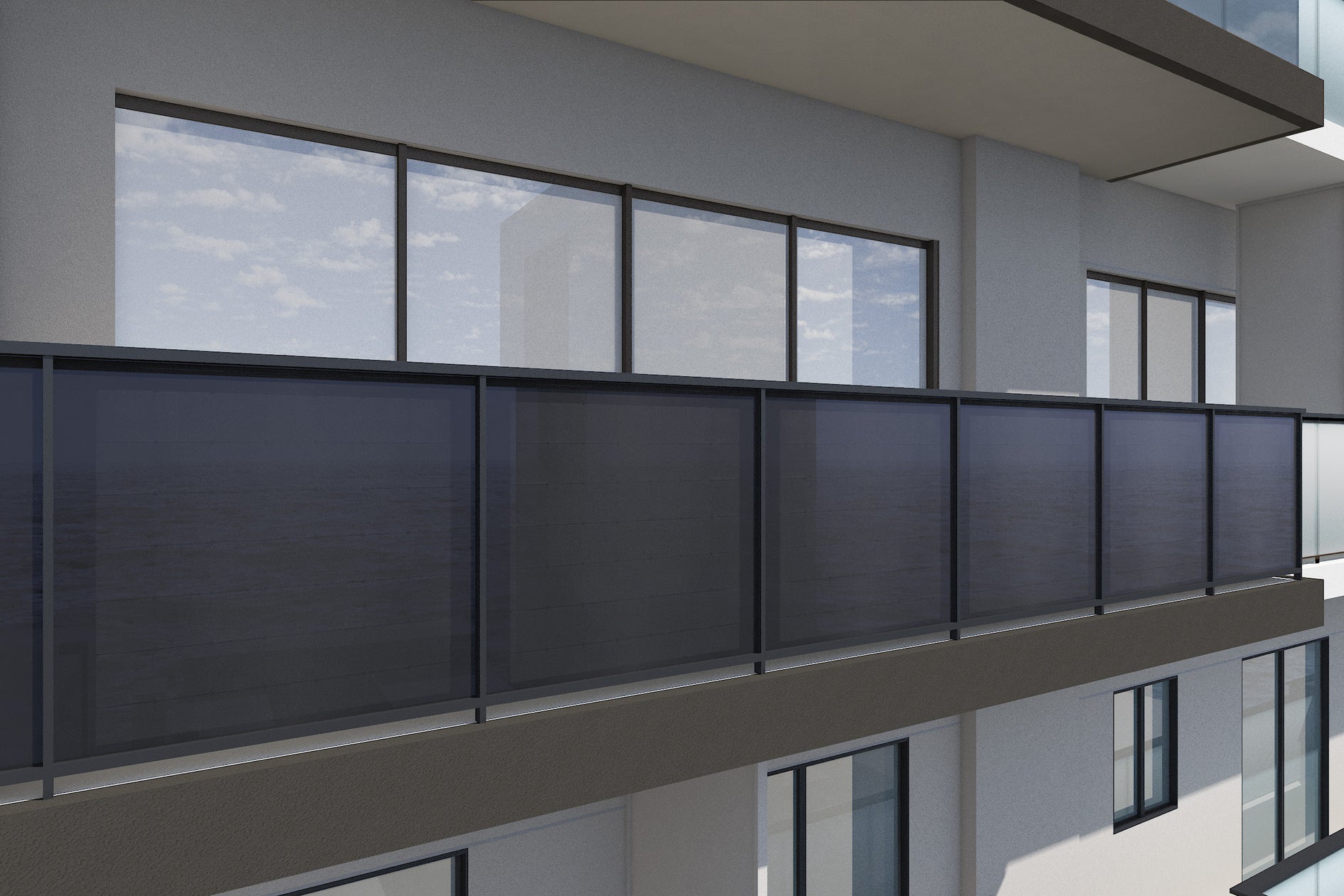
Haseko, Taisei and Kaneka develop balcony railing solar system for condominiums
Haseko plans to use the glass railing solar product at a condominium project in Shinagawa Ward developed in-house by Haseko.
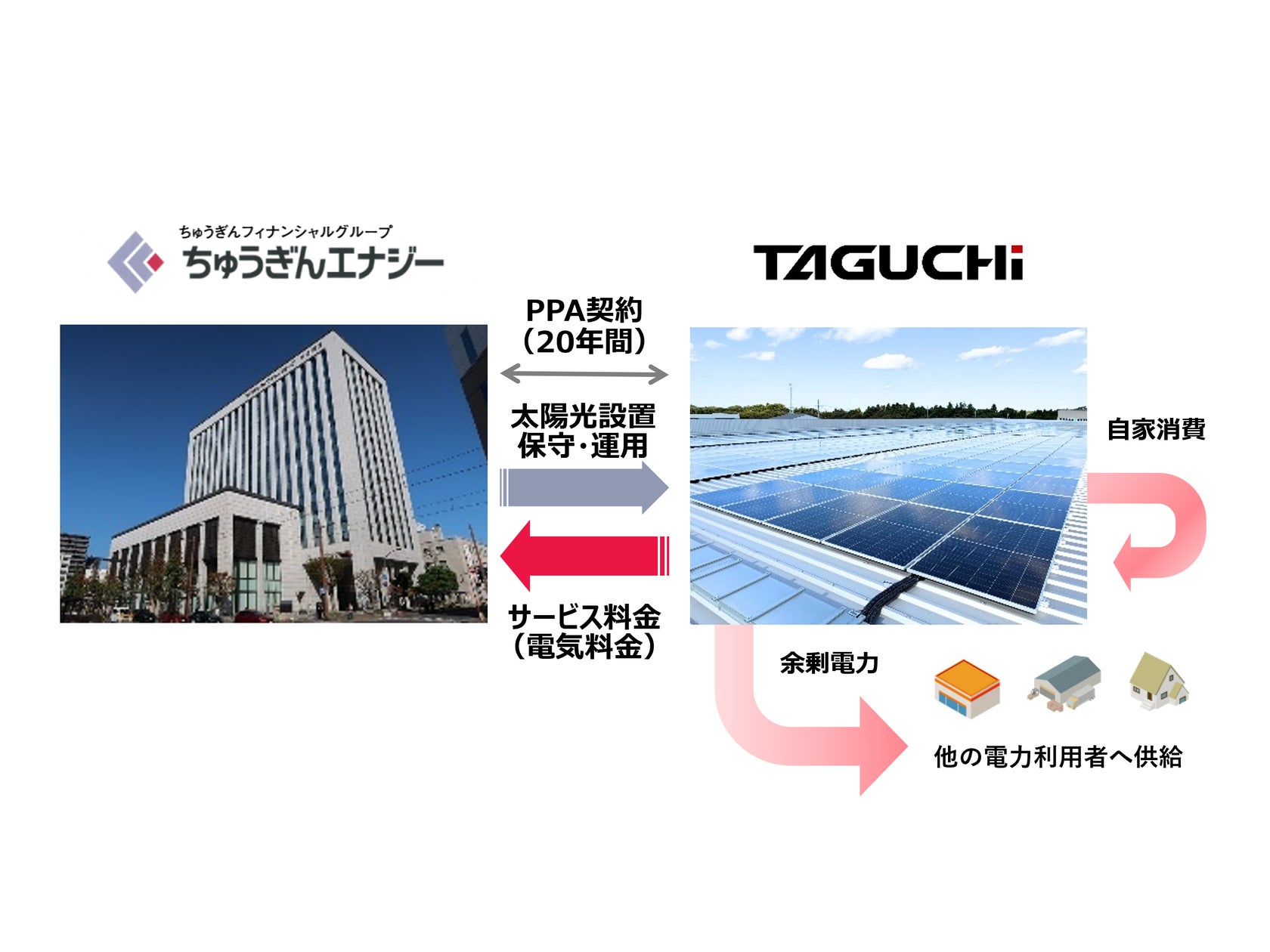
Taguchi Kogyo's Daisen plant begins renewable power supply via onsite solar PPA
Chugin Energy has installed solar power equipment on the roof of the plant of the construction machinery attachment maker to help decarbonize its electricity use.

Tokyo Gas imports Malaysian biomethane into Japan for the first time
Tokyo Gas and Petronas jointly imported about 40,000 cubic meters of biomethane at the Ogishima LNG terminal, expanding Asian sourcing.