PowerX wins order for large-scale storage system for Toyota Motor East Japan plant in Miyagi
The order, placed through Toyotsu Facilities, covers a stationary battery system that will use demand response and is partly funded by a 79 million yen subsidy.

PowerX, which develops and manufactures energy storage systems, said on November 16 that it had received an order for one large-scale storage system from Toyotsu Facilities Corp. of Nagoya. The system will be delivered to the Miyagi Daiwa Plant in Taiwa town, which belongs to Toyota Motor East Japan in Ohira village, Miyagi Prefecture.
Stationary batteries are installed at factories and other facilities, where they store electricity and discharge it during the hours when it is needed. A key feature is their ability to level out a factory's electricity use.
PowerX is an energy storage system maker based in Tamano, Okayama Prefecture. It supplies large-scale storage equipment for manufacturing plants, and this project was won through Toyotsu Facilities, which handles sales. The announcement confirmed the order but did not provide details on the system's output or capacity.
Auto plants consume large amounts of electricity, and balancing decarbonization with cost control has become a challenge. Battery installations are spreading as a way to absorb fluctuations in renewable energy and cut peak power demand. Moves to adopt them with subsidies support factories in saving energy and using electricity stably.
Attention will now turn to the timing of delivery and operation, and to how much electricity the plant saves after installation. Interest is growing in how effective the combination of batteries and demand response will be at a large factory.
Background
Storage batteries store electricity and discharge it when needed. Factories aim to lower basic charges and electricity costs by cutting peak power demand. Demand response is a system in which consumers reduce their power use during periods when supply is tight, and it is considered useful for stable electricity supply. Japan's government and local authorities are expanding renewable energy and promoting more flexible power management, and subsidies for battery installations are part of that policy. In decarbonizing manufacturing, how to manage factories' electricity demand has become a major issue.
Source: 環境ビジネスオンライン
This article was written by the editors based on the cited report and translated from Japanese.
More news

TESS Group wins contract from Kokuei to install grid-scale battery storage facility
The project covers an approximately 8.3 MWh storage facility, and the group plans to provide aggregation services after equipment delivery.
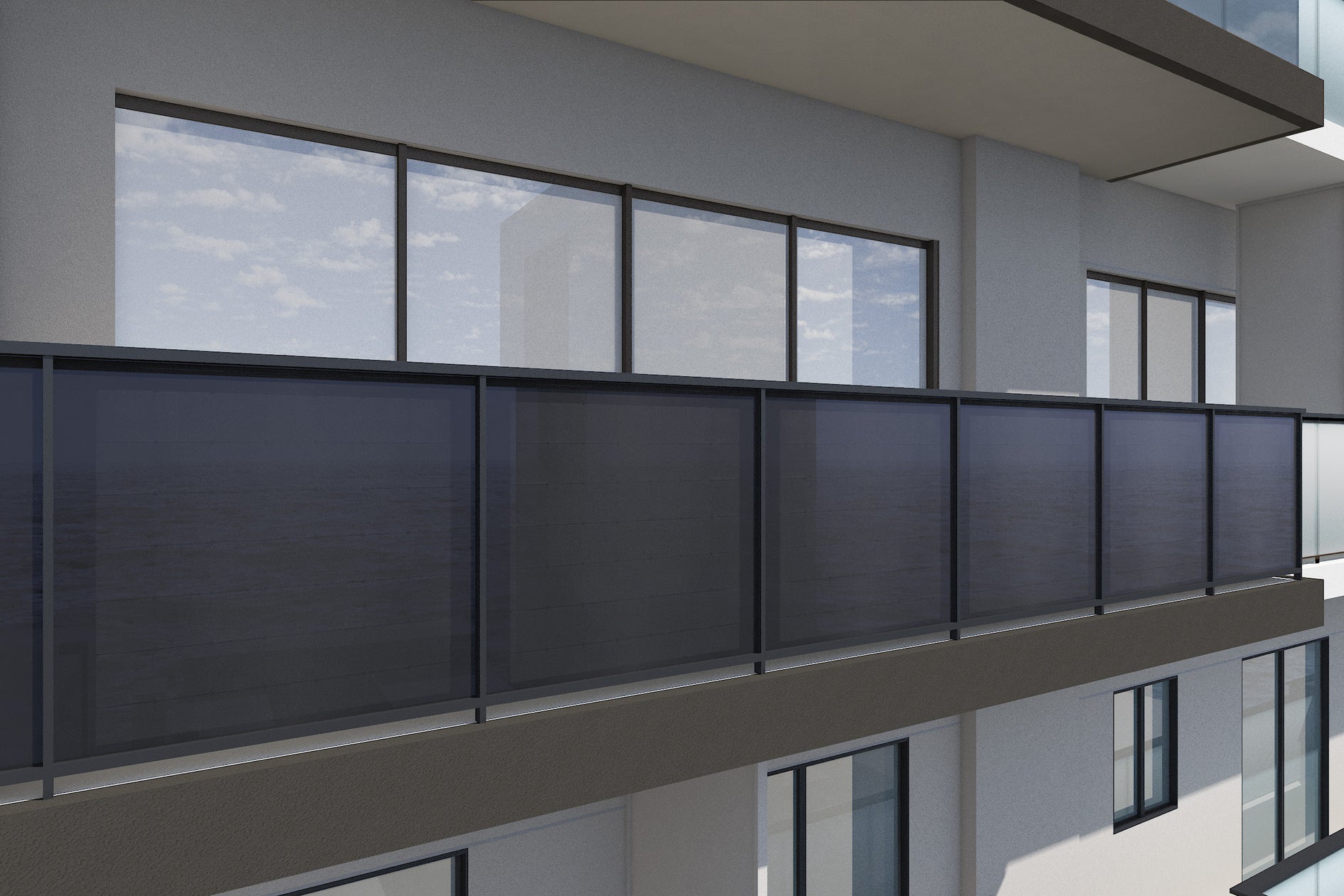
Haseko, Taisei and Kaneka develop balcony railing solar system for condominiums
Haseko plans to use the glass railing solar product at a condominium project in Shinagawa Ward developed in-house by Haseko.
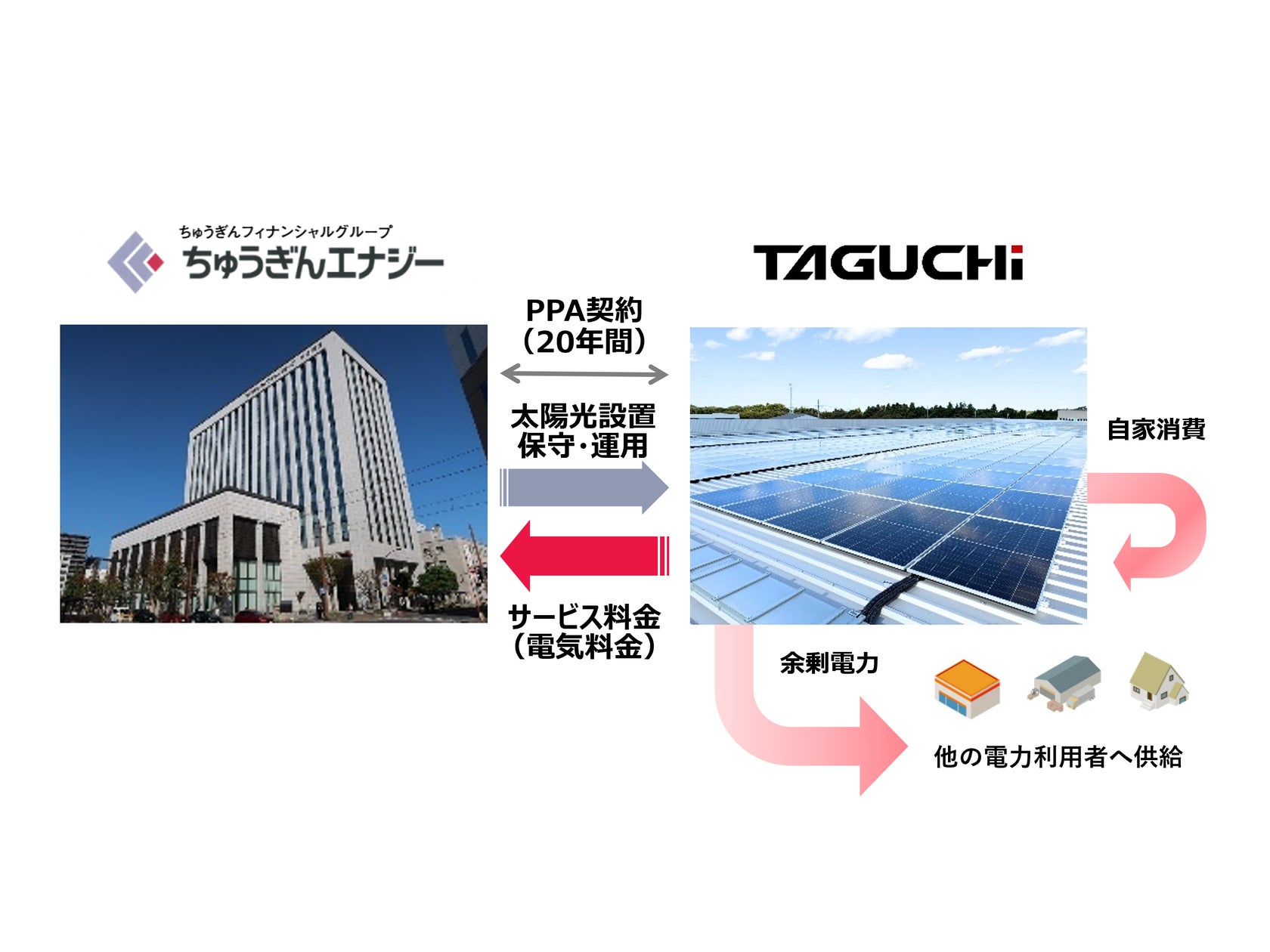
Taguchi Kogyo's Daisen plant begins renewable power supply via onsite solar PPA
Chugin Energy has installed solar power equipment on the roof of the plant of the construction machinery attachment maker to help decarbonize its electricity use.
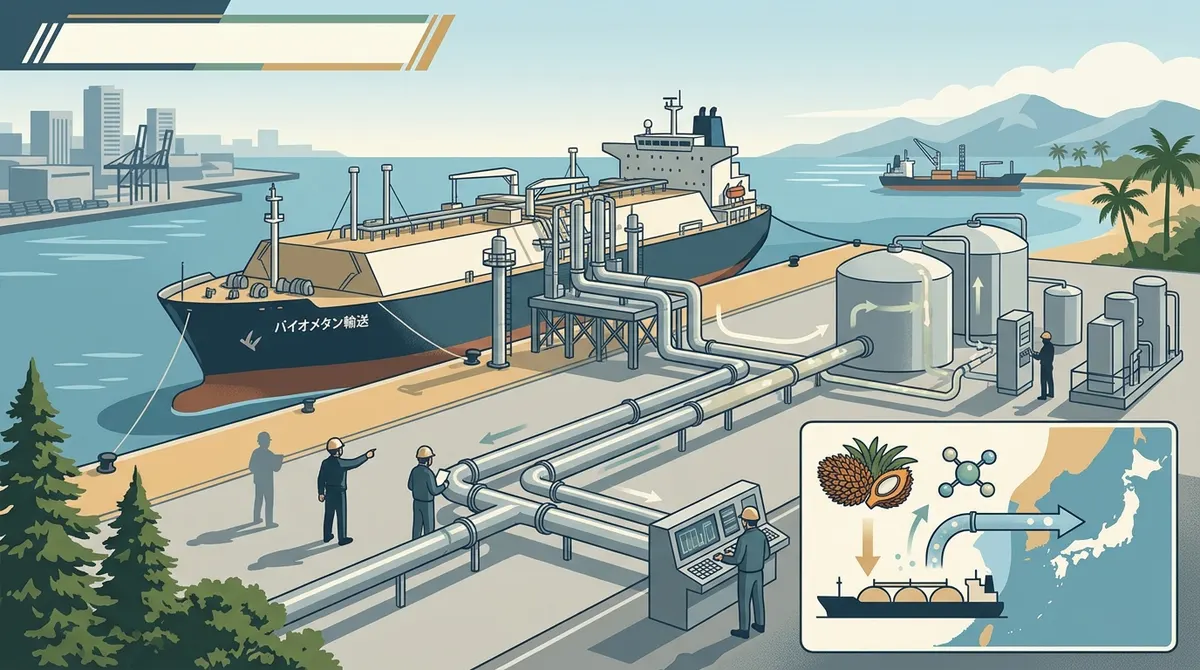
Tokyo Gas imports Malaysian biomethane into Japan for the first time
Tokyo Gas and Petronas jointly imported about 40,000 cubic meters of biomethane at the Ogishima LNG terminal, expanding Asian sourcing.