Zeroboard partners with Indonesian firm to support corporate decarbonization
The partnership combines emissions visualization with renewable energy adoption to support decarbonization at companies operating in Indonesia.
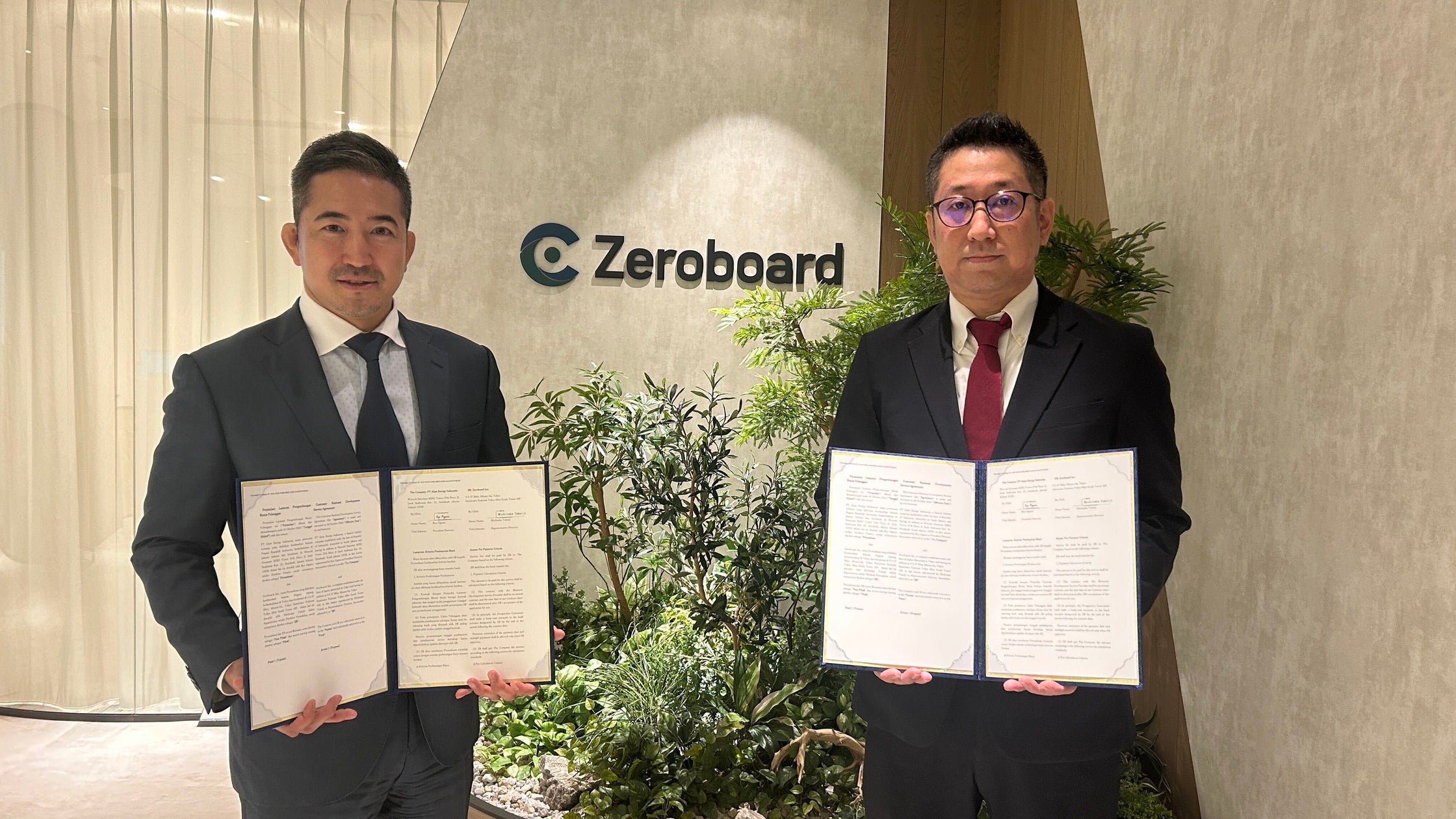
Zeroboard has signed a partnership agreement with PT Alam Energy Indonesia, based in Jakarta, which develops decarbonization solutions centered on renewable energy in Indonesia, to support decarbonization management at local companies. The signing ceremony was held on November 13, 2026, at Zeroboard's headquarters in Minato, Tokyo, and was announced on November 18.
Zeroboard is a company that supports corporate sustainability management. Its representative director is Michitaka Tokeji. The president of Alam Energy is Ryo Ogawa. The two companies will jointly support decarbonization efforts at companies based in Indonesia.
The partnership combines emissions visualization using Zeroboard's cloud service for calculating and visualizing greenhouse gas (GHG) emissions, with reduction measures provided by the Alam Energy Group, including rooftop solar power generation and renewable energy certificates (I-RECs).
The Indonesian government has set a goal of achieving net zero by 2060. Companies operating locally are increasingly being asked by global business partners to provide emissions data. Requests for Scope 1 and 2 data and product-level carbon footprints are typical examples.
A carbon footprint shows, in CO2 equivalent, the greenhouse gases that a product or activity emits over its entire life cycle. Scope 1 refers to direct emissions from a company's own operations, and Scope 2 refers to indirect emissions associated with purchased electricity and heat.
The EU's Carbon Border Adjustment Mechanism (CBAM) is a system under which the EU imposes charges based on emissions generated when imported goods are manufactured. For companies exporting products from Indonesia to the EU, accurately measuring and reducing emissions is required.
Rooftop solar power generation is a system in which panels are installed on building roofs and the electricity generated is used on site. A renewable energy certificate is a mechanism for trading the environmental value of electricity generated from renewable sources as a certificate.
Background
Indonesia has set a goal of net zero by 2060 and is expanding its adoption of renewable energy. Meanwhile, international regulations such as the EU's CBAM are spreading, and exporting companies are being asked to provide emissions data. A combination of calculation cloud services, renewable energy certificates and solar power generation is used as a way for companies to understand their greenhouse gas emissions and reduce them. Zeroboard of Japan is expanding its emissions visualization system, developed in Japan, overseas to support decarbonization at local companies.
Source: PR TIMES
This article was written by the editors based on the cited report and translated from Japanese.
More news
TESS Group wins contract from Kokuei to install grid-scale battery storage facility
The project covers an approximately 8.3 MWh storage facility, and the group plans to provide aggregation services after equipment delivery.
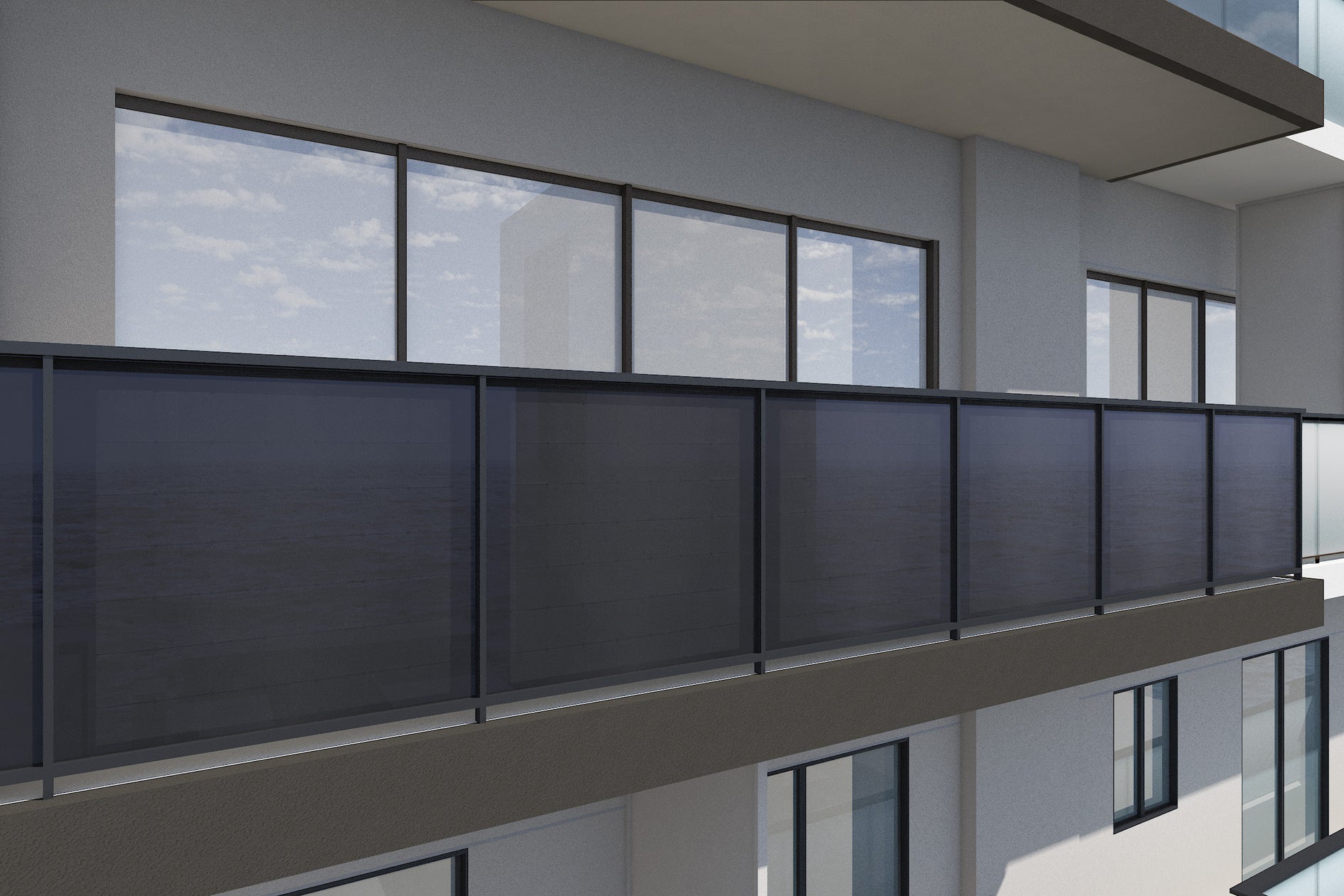
Haseko, Taisei and Kaneka develop balcony railing solar system for condominiums
Haseko plans to use the glass railing solar product at a condominium project in Shinagawa Ward developed in-house by Haseko.
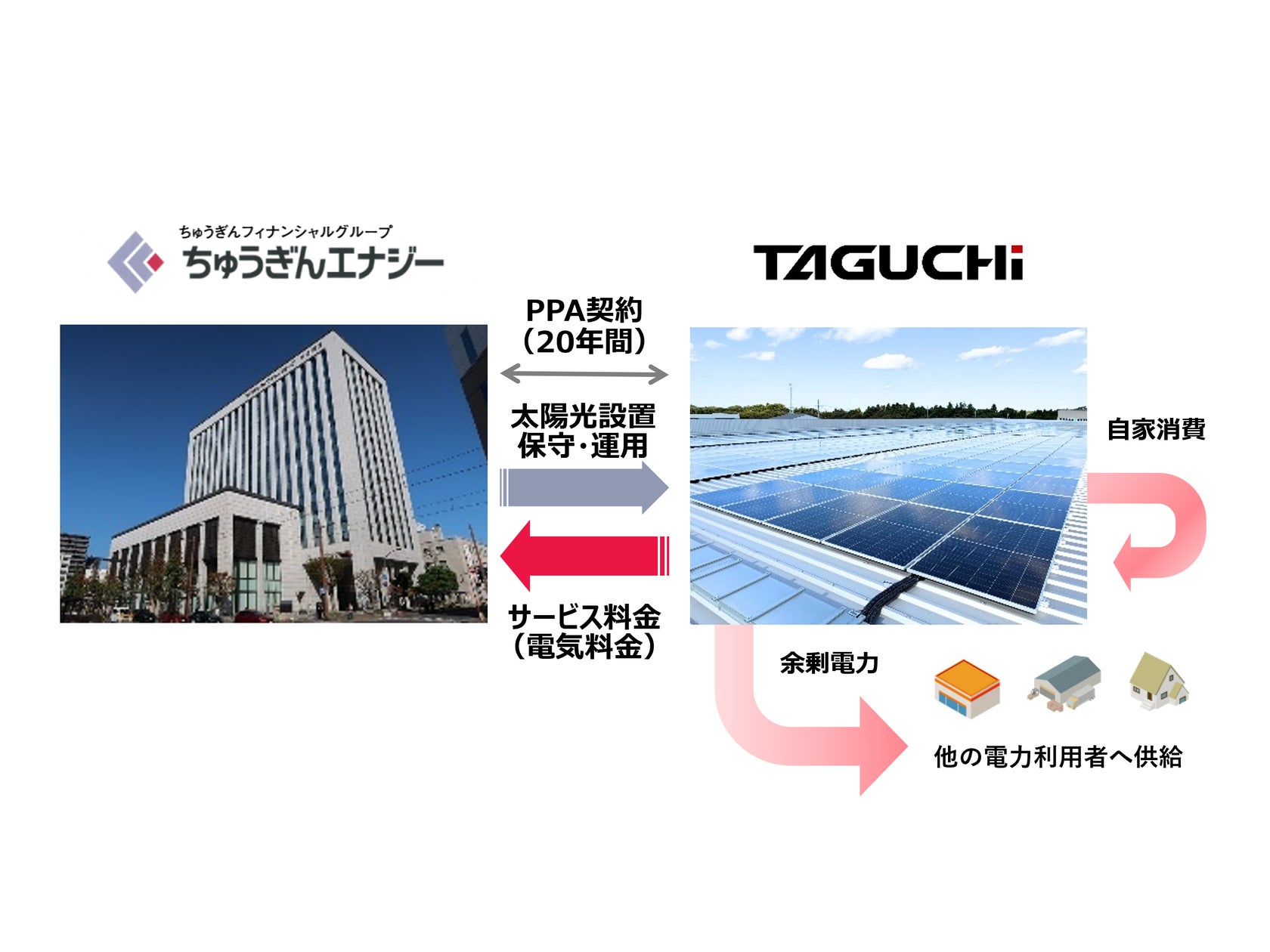
Taguchi Kogyo's Daisen plant begins renewable power supply via onsite solar PPA
Chugin Energy has installed solar power equipment on the roof of the plant of the construction machinery attachment maker to help decarbonize its electricity use.
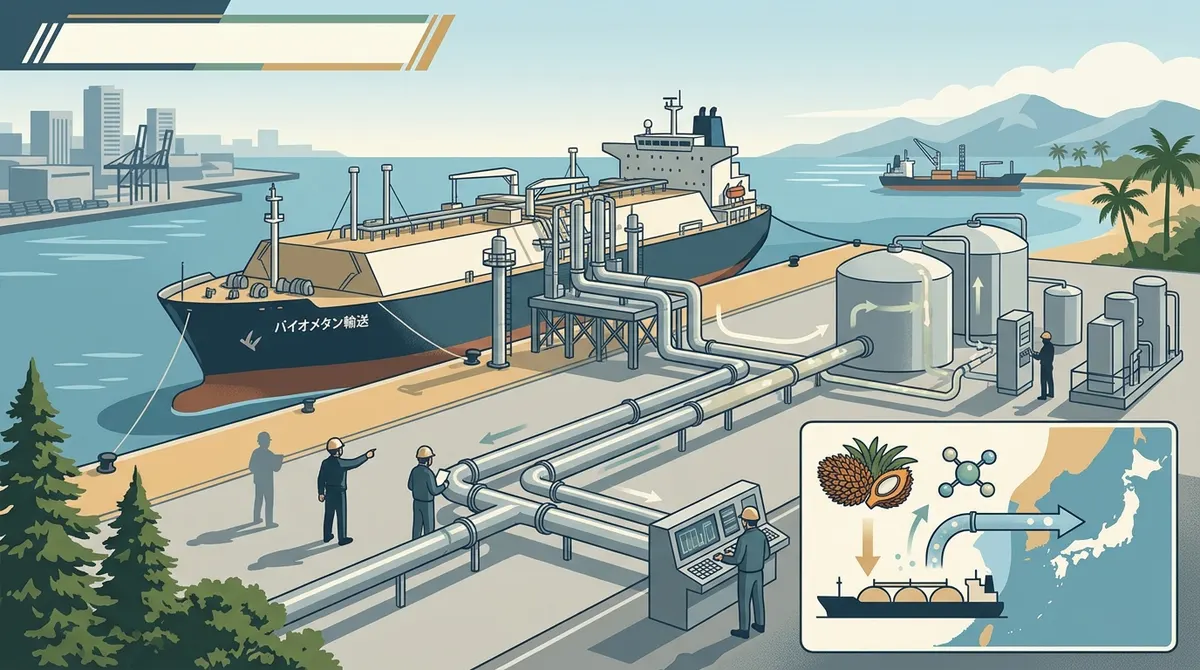
Tokyo Gas imports Malaysian biomethane into Japan for the first time
Tokyo Gas and Petronas jointly imported about 40,000 cubic meters of biomethane at the Ogishima LNG terminal, expanding Asian sourcing.