NTT East Group unveils biogas plant turning food waste into power and compost
Biostock, an NTT East Group resource recycling company, has unveiled a biogas plant in Takasaki that converts food waste into electricity and compost.

Biostock, a resource recycling company in the NTT East Group, began operating the Biogas Plant Takasaki, a methane fermentation biogas plant in Takasaki, Gunma Prefecture, in April 2026. The plant started accepting food waste from school and childcare facility lunches in Takasaki. From October, it also began accepting waste from food-related businesses in the city, and it held a completion ceremony on October 19.
At the plant, food waste is fermented by microorganisms to produce biogas, which is mainly methane. The biogas is used as fuel for power generation and heat, and the digestate left after fermentation is used as compost. The system turns food waste into two resources, electricity and compost.
The initiative known as the Takasaki Model aims to collect waste from local school lunches and food businesses within the community, process it and return it to use as resources. Converting food waste into resources is generally seen as one way to reduce greenhouse gas emissions compared with incineration.
Biogas power generation is distinctive because it can supply electricity as a renewable energy source. Food waste is generated every day, making it a stable raw material. However, maintaining the volume of waste received and the quality of the feedstock is an operational challenge.
For the NTT East Group, which works on many regional issues including agriculture, disaster prevention, education, the environment and energy, resource recycling is one of those fields. The completion unveiling event showed that a business circulating food waste as a local resource has begun in earnest.
Biogas projects that use local food waste are drawing interest from local governments and businesses because they handle waste disposal and supply renewable energy at the same time. Going forward, attention will focus on expanding the number of facilities accepting waste and on how the uses for the electricity and compost produced will grow.
Background
Biogas is a methane-rich gas produced by fermenting food waste and livestock manure with microorganisms. Methane fermentation is a process in which microorganisms break down organic matter without oxygen, and the gas produced is used for power generation and heat. In Japan, the introduction of facilities that process food waste from school lunches and food factories has been advancing. Food waste has often been incinerated, but using it locally is drawing attention as one way to circulate it as a resource.
Source: マイナビニュース
This article was written by the editors based on the cited report and translated from Japanese.
More news

TESS Group wins contract from Kokuei to install grid-scale battery storage facility
The project covers an approximately 8.3 MWh storage facility, and the group plans to provide aggregation services after equipment delivery.

Haseko, Taisei and Kaneka develop balcony railing solar system for condominiums
Haseko plans to use the glass railing solar product at a condominium project in Shinagawa Ward developed in-house by Haseko.
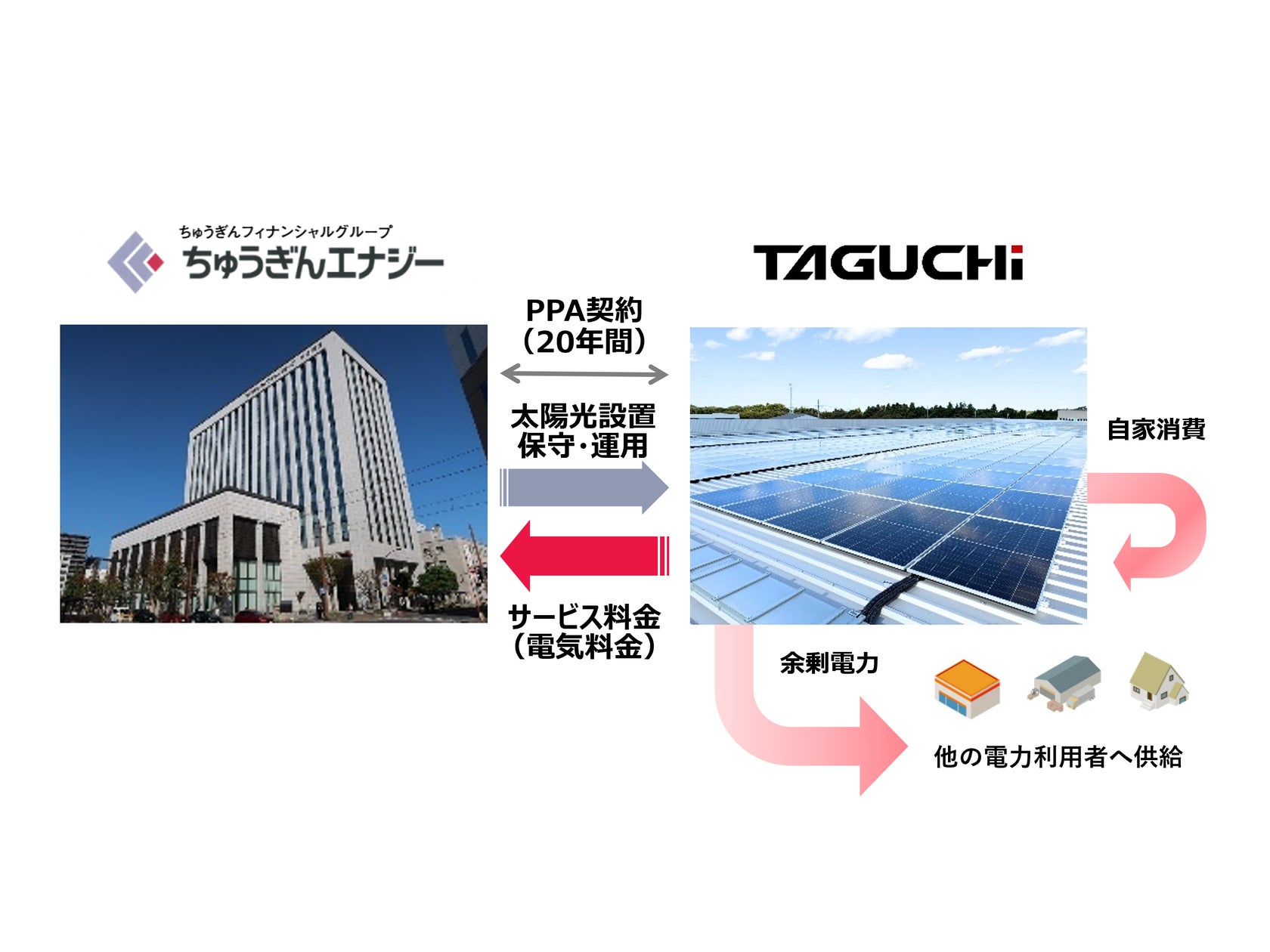
Taguchi Kogyo's Daisen plant begins renewable power supply via onsite solar PPA
Chugin Energy has installed solar power equipment on the roof of the plant of the construction machinery attachment maker to help decarbonize its electricity use.
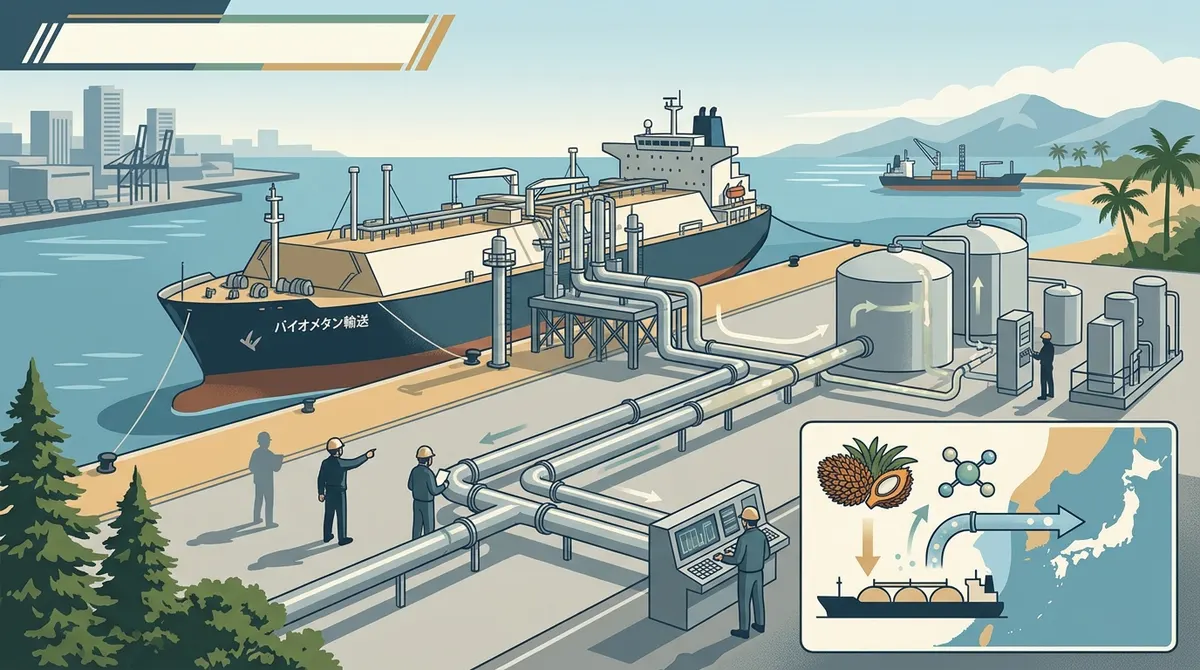
Tokyo Gas imports Malaysian biomethane into Japan for the first time
Tokyo Gas and Petronas jointly imported about 40,000 cubic meters of biomethane at the Ogishima LNG terminal, expanding Asian sourcing.