Datasection, eyeball CleanEnergy to validate sCO2 power generation for AI data centers
The basic agreement covers verification for practical use in AI data centers and study of commercial deployment in global markets.

Datasection Inc. said on Nov. 17, 2026, that it has signed a basic agreement with Taiwan's eyeball CleanEnergy Inc., hereafter 'eyeball', on a power generation system using supercritical carbon dioxide (sCO2) that eyeball is developing. The agreement covers verification for practical use in AI data centers and study of commercial deployment in global markets.
Datasection is headquartered in Shinagawa, Tokyo, and is listed on the Growth Market of the Tokyo Stock Exchange. The company builds and operates AI data centers and provides GPU computing services worldwide. The agreement is part of its efforts to study the power technologies that support these businesses.
According to the company, the spread of generative AI and the growing sophistication of AI models are driving the expansion of data centers worldwide and increasing electricity demand. The announcement cited analysis by the International Energy Agency (IEA), which projects that global data center electricity consumption will roughly double, from about 485 terawatt-hours in 2025 to about 950 terawatt-hours in 2030. The IEA was established in 1974 in response to the oil crisis and works on energy security and policy analysis.
A supercritical carbon dioxide cycle is a power generation method that uses carbon dioxide above its critical point, about 31 degrees Celsius and about 7.4 megapascals, as its working fluid. Supercritical carbon dioxide is denser than steam, which is said to make turbines and heat exchangers easier to downsize. Research is advancing in several countries.
Conventional steam turbine generation loses significant heat in the process of turning water into steam, and its equipment tends to be large. A carbon dioxide cycle requires less compression work and is said to be well suited to recovering heat from heat sources. However, durability and operational control still need to be verified in actual equipment.
Data centers mainly procure power by buying renewable energy and receiving electricity from existing grids, and securing a stable power source has become a challenge. How close the agreement brings this technology to practical use as one option for such power sources will be a point to watch.
The basic agreement sets a framework for the two companies to continue discussions and does not involve any confirmed transaction or contract value. Power output, installation scale, project costs and introduction timing remain to be determined through future verification and the terms of any final contract.
Background
Data centers are seeing rapidly rising electricity consumption as their processing capacity expands, making securing power sources and improving efficiency key challenges. Supercritical carbon dioxide power generation is a cycle that operates carbon dioxide above its critical point, and research has advanced on it as a technology aimed at improving thermal efficiency and downsizing equipment. The basic agreement is an arrangement at a stage where the companies verify the technology with the aim of practical use and explore its expansion into the market.
Source: PR TIMES
This article was written by the editors based on the cited report and translated from Japanese.
More news

TESS Group wins contract from Kokuei to install grid-scale battery storage facility
The project covers an approximately 8.3 MWh storage facility, and the group plans to provide aggregation services after equipment delivery.
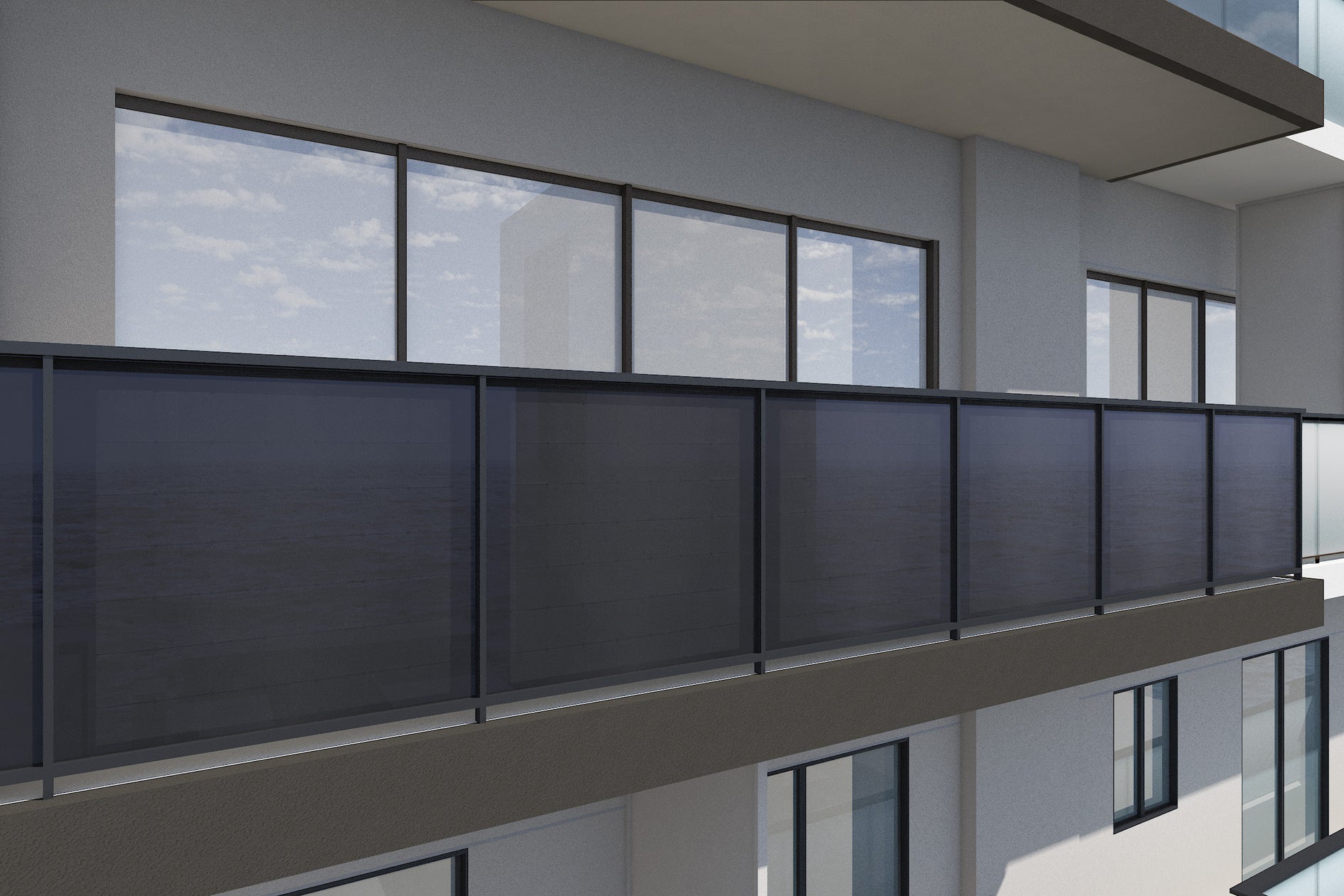
Haseko, Taisei and Kaneka develop balcony railing solar system for condominiums
Haseko plans to use the glass railing solar product at a condominium project in Shinagawa Ward developed in-house by Haseko.
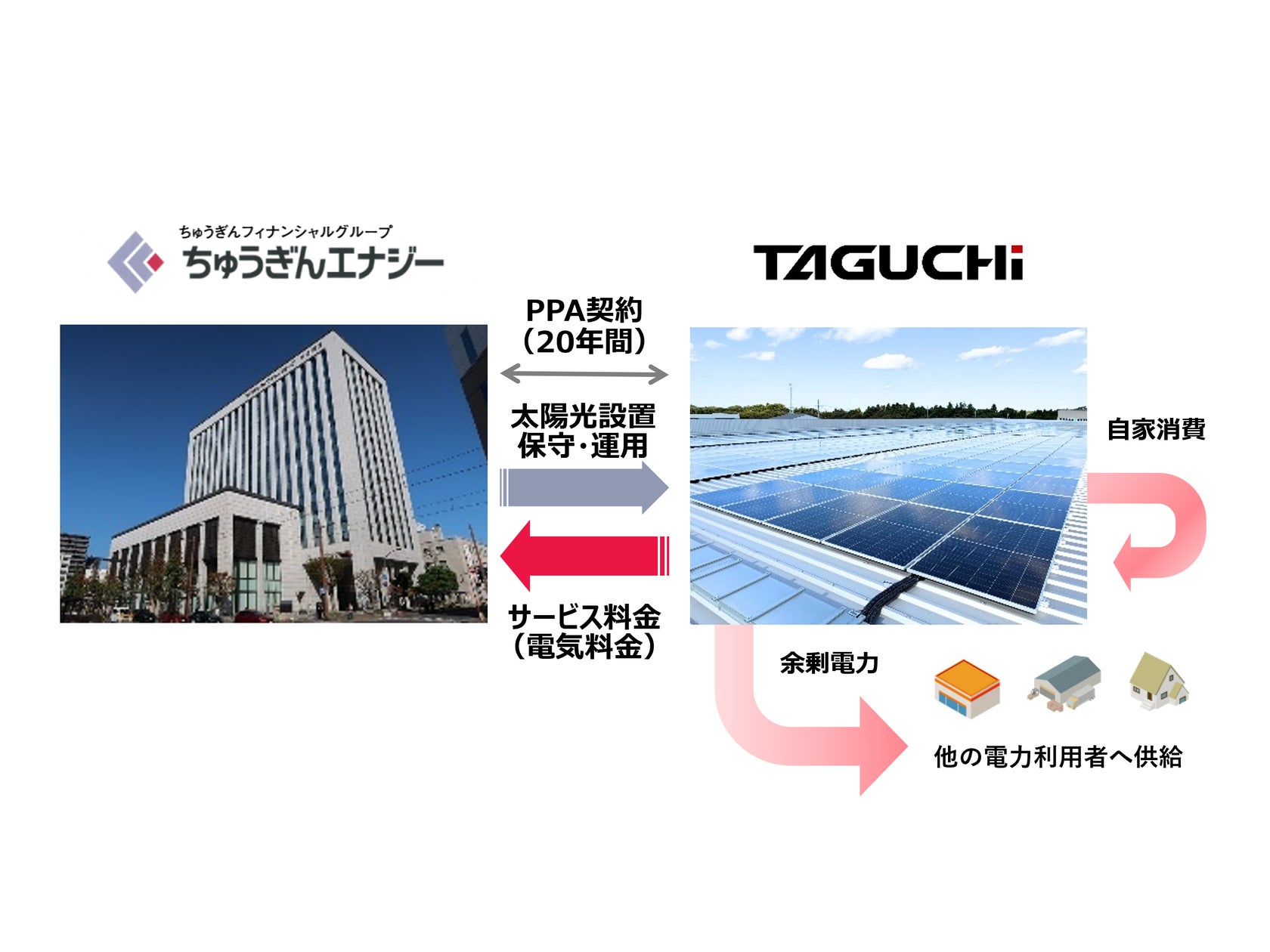
Taguchi Kogyo's Daisen plant begins renewable power supply via onsite solar PPA
Chugin Energy has installed solar power equipment on the roof of the plant of the construction machinery attachment maker to help decarbonize its electricity use.
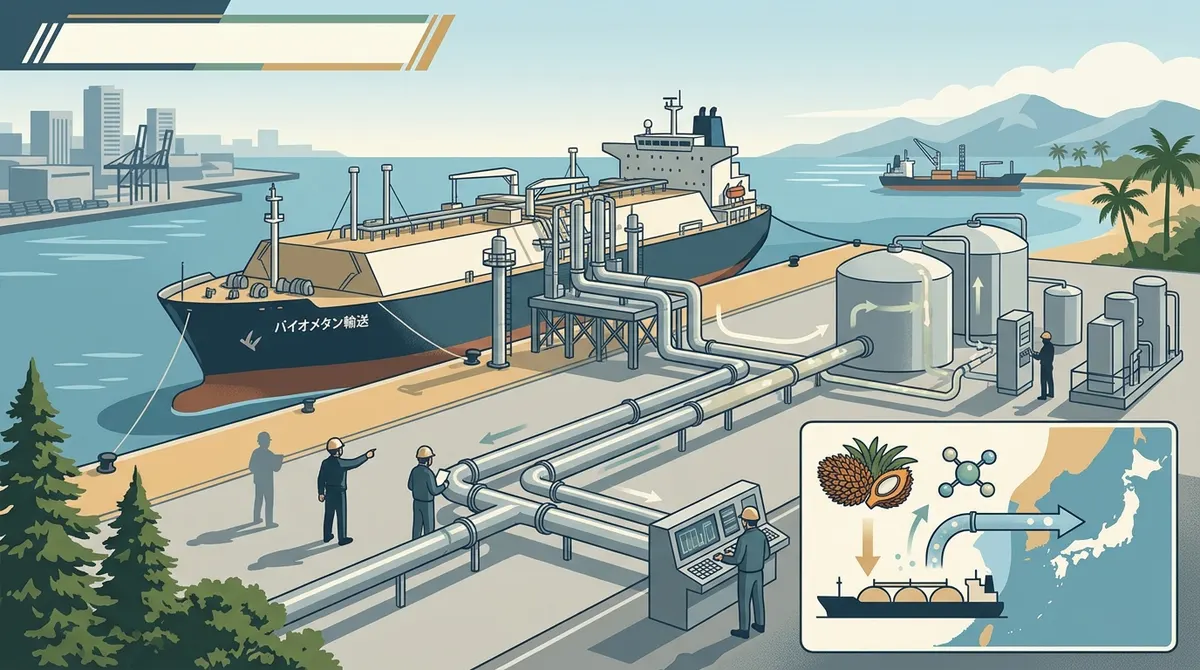
Tokyo Gas imports Malaysian biomethane into Japan for the first time
Tokyo Gas and Petronas jointly imported about 40,000 cubic meters of biomethane at the Ogishima LNG terminal, expanding Asian sourcing.