Tensor Cloud Adopted by Orix for Solar Power Output Forecasting and Notification Operations
Tensor Energy's platform is being used to forecast output and handle notification work at some of Orix's solar power plants.
Tensor Energy Inc. based in Chuo Ward, Fukuoka City, said on November 16, 2026, that its renewable energy power generation platform, Tensor Cloud, has been adopted for some solar power plants procured by Orix Corp. The company has been running the system in live operations since June 2026, individually forecasting output for a total of about 6 MW of solar plants every day.
The generation plans produced by the forecasts are automatically linked to Orix's supply-demand management system and other systems. In addition, notification operations to the retail electricity providers to which the power is supplied has also been automated. The arrangement combines a forecasting system that can handle many power plants collectively with automation of notification work.
Orix had been considering a forecasting system that can handle many plants collectively, and automation of plan notification work, for supply-demand management of solar plants under contract nationwide. Tensor Energy conducted a proof of concept (PoC) in 2025, using actual output data from about 40 plants owned by Orix, to verify output forecasting over about one month.
According to the announcement, the adoption was also motivated by expected increases in supply to other retail electricity providers and in partial-supply projects. The more destinations there are for supply, the more complicated notification of generation plans tends to become, which heightens the need for automating the work.
Scalability refers to the ability to handle an increasing number of power plants.
Because solar output varies with the weather, forecasting generation is fundamental to keeping supply-demand planning accurate. Gaps between forecast and actual output affect electricity procurement and supply-demand adjustment, so improving accuracy is an important challenge for operators.
In retail electricity supply-demand management, notifying transmission and distribution operators and retail providers of generation plans in advance is essential. Automating this notification process is said to reduce the operational burden even for operators handling many power plants.
The announcement said the adoption covers only some solar power plants and did not disclose the total number of plants or accuracy figures after adoption.
Background
Solar output fluctuates with the weather, so output must be forecast in advance and reflected in supply-demand plans. In Japan, solar power adoption has spread nationwide since the feed-in tariff (FIT) scheme began in 2012. As the number of plants has grown, a way to efficiently manage large numbers of facilities has become necessary, and streamlining forecasting and notification work has become an issue for power generators and retail electricity providers.
Source: PR TIMES
This article was written by the editors based on the cited report and translated from Japanese.
More news
Lister launches database of firms tied to perovskite solar cell supply chain
The database lists companies and their products and services across manufacturing equipment, materials, construction and maintenance.
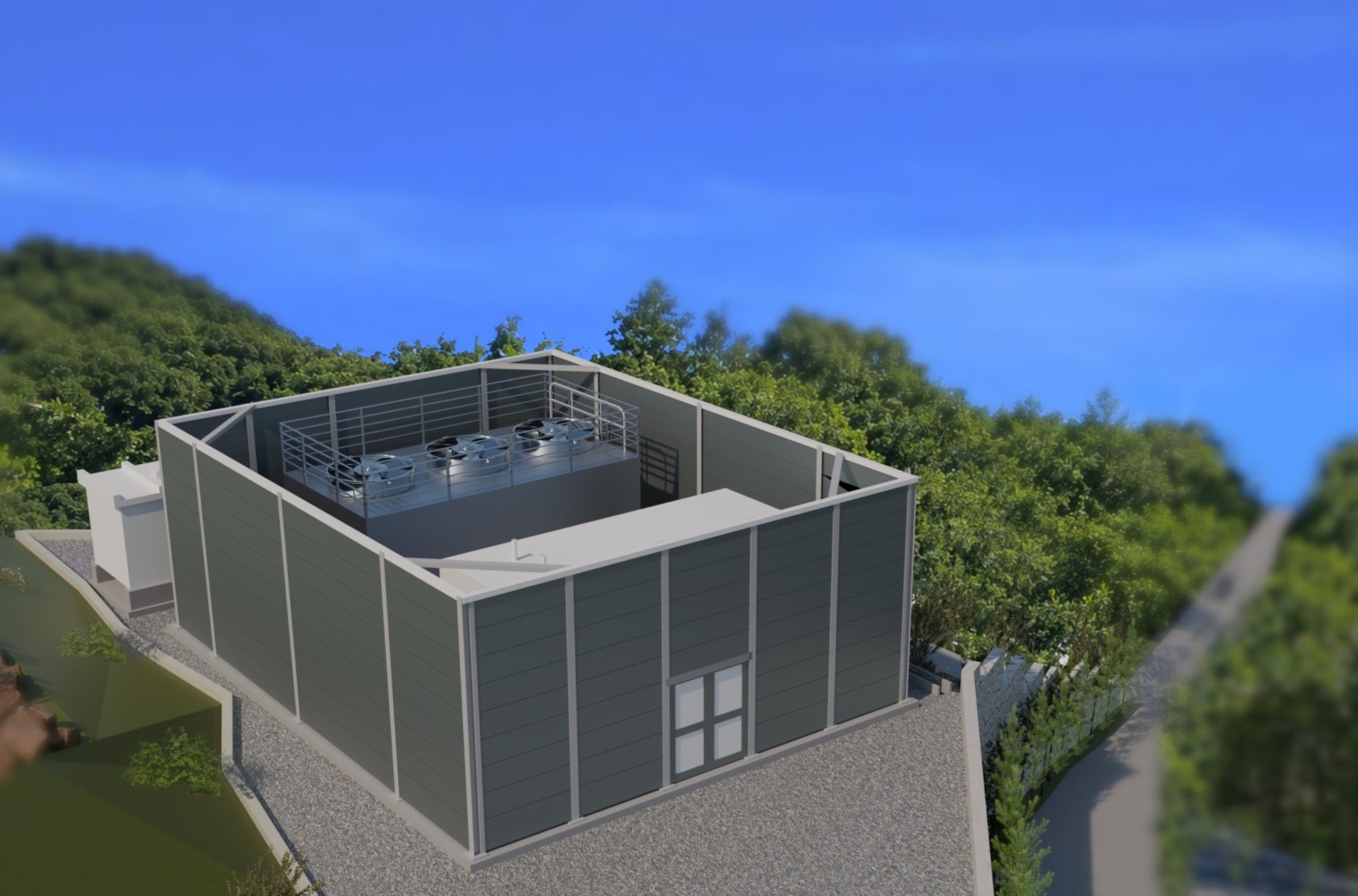
Beppu geothermal binary plant signs EPC deal and begins construction
Intelect will handle design, procurement and construction for BLD Power Stations' geothermal power project in Beppu, Oita Prefecture.
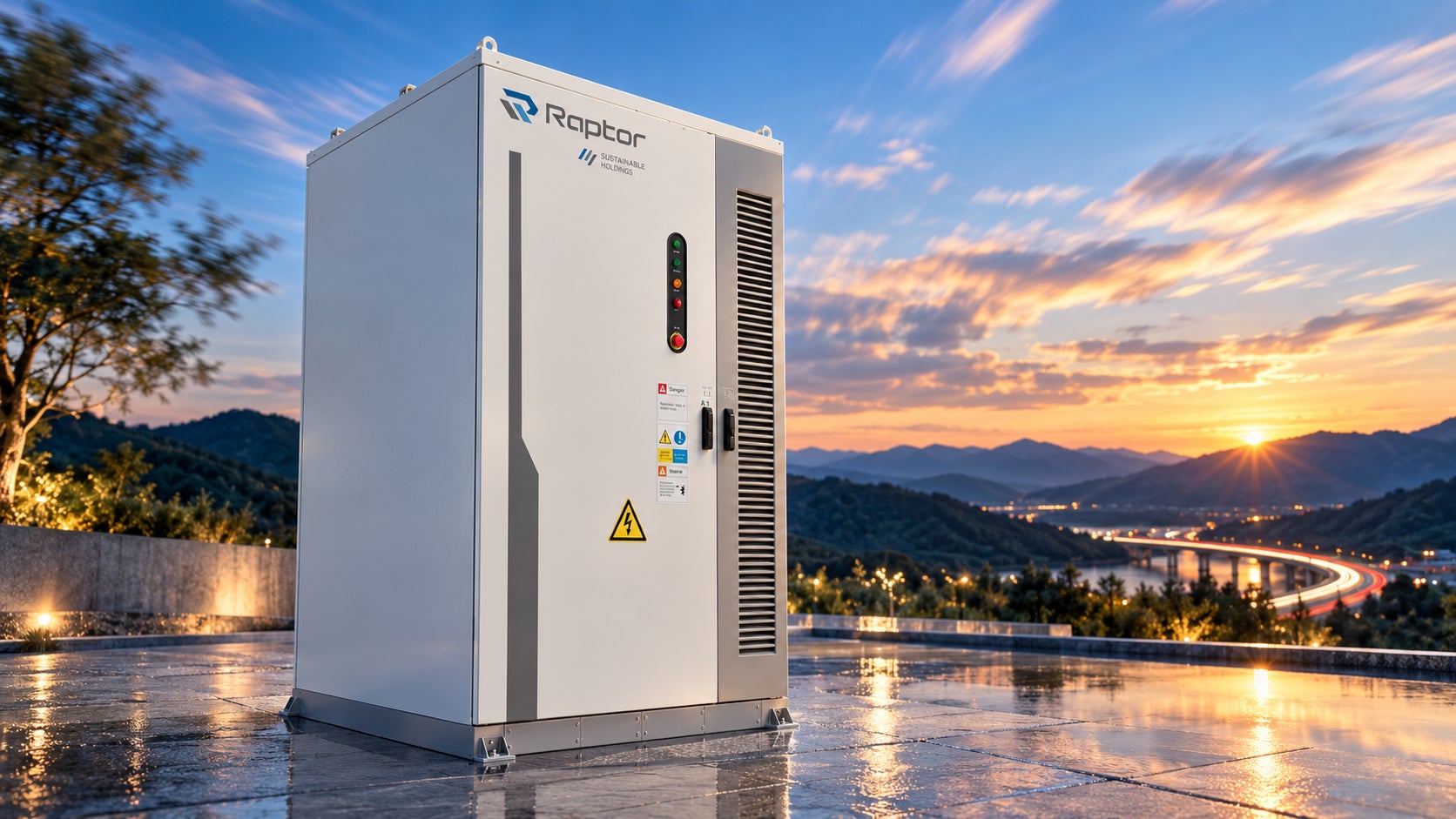
Sustainable Holdings advances business succession of Matsumoto grid-scale battery project toward November 2027 grid connection
Sustainable Holdings said it is moving to advance business succession for the Matsumoto project and file grid connection applications, targeting a Nov. 30, 2027 connection.

Learning from local wisdom: decarbonization as culture and coexistence with Japan's nature
Technology and numerical targets alone fail to close the gap with daily life, so a perspective is presented to rethink decarbonization through local context.