Tokyo Governor Koike calls for green hydrogen economic zone at Yamanashi summit
Tokyo Governor Yuriko Koike urged the building of a green hydrogen economic zone to achieve decarbonization at an international conference in Yamanashi Prefecture.

Tokyo Governor Yuriko Koike said at the international conference Fuji Hydrogen Summit 2026, held in Yamanashi Prefecture, that she aims to build a green hydrogen economic zone and achieve decarbonization. The conference focused on hydrogen, and as its name suggests, discussions centered on the future of hydrogen use and supply.
Green hydrogen refers to hydrogen produced by electrolyzing water with electricity from renewable sources such as solar and wind power. Because it produces almost no CO2 during production, it is expected to be a means of decarbonization. Hydrogen is labeled by color according to how it is made: gray hydrogen, derived from natural gas, emits CO2 during production, and blue hydrogen pairs that process with carbon capture and storage of the emitted CO2.
There are three main methods of producing hydrogen. Water electrolysis uses electricity to split water into H2 and O2. Natural gas reforming extracts H2 from natural gas and emits CO2 during production. Biomass gasification extracts hydrogen from organic matter. Costs and emissions vary greatly depending on the production method.
Hydrogen can be used for power generation with fuel cells, for transport such as fuel cell vehicles and buses, and as a raw material or heat source in industries such as steel and chemicals. A fuel cell is a device that generates electricity through a chemical reaction between hydrogen and oxygen, and its main emission is water. Because hydrogen has so many uses, it is considered important to design systems that cover production, transport, and use together.
An economic zone refers to a system in which companies, local governments, and users that support hydrogen supply cooperate so that demand and supply work together. Recovering investment in production facilities requires continuous demand and stable prices. Hydrogen takes up a large volume in gaseous form, so it must be liquefied or compressed for transport, and differences in transport methods affect cost and the distance over which it can be delivered.
The challenges for hydrogen are high production costs, the development of transport and storage infrastructure, and securing stable demand. Because hydrogen production uses large amounts of renewable electricity, securing power sources is also a precondition. In the context of decarbonization, hydrogen is positioned alongside electrification as a way to reduce emissions from power and industry. Which sectors give priority to hydrogen will depend on technological progress and cost outlooks.
Attention will focus on how far the discussions at the conference lead to concrete projects and partnerships between companies. Whether efforts by regions to become production and usage hubs for hydrogen spread will also determine the success of building economic zones. Understanding the color classification of hydrogen and its production methods will make it easier to judge the decarbonization effects described in future announcements.
Source: ウォーカープラス
This article was written by the editors based on the cited report and translated from Japanese.
More news
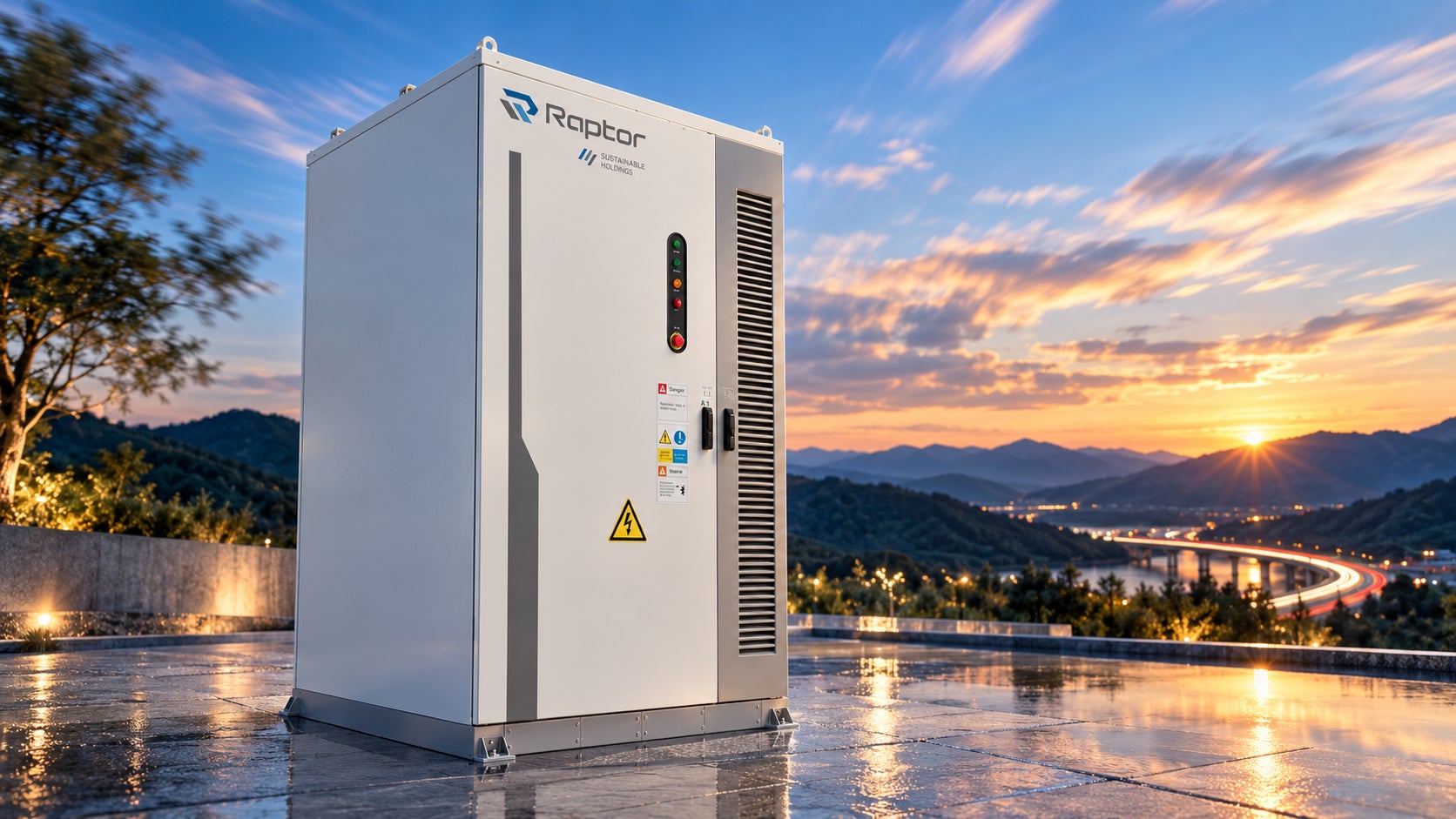
Sustainable Holdings advances business succession of Matsumoto grid-scale battery project toward November 2027 grid connection
Sustainable Holdings said it is moving to advance business succession for the Matsumoto project and file grid connection applications, targeting a Nov. 30, 2027 connection.

Learning from local wisdom: decarbonization as culture and coexistence with Japan's nature
Technology and numerical targets alone fail to close the gap with daily life, so a perspective is presented to rethink decarbonization through local context.

MWCC and Rio Tinto to explore microwave-based decarbonization of alumina refining
The companies agreed on Nov. 12, 2026, to design a pilot facility and conduct a feasibility study for microwave-based bauxite processing.

Koh Shibasaki to Produce Three-Day Music Festival in Osaka and Lake Kawaguchi in 2027
The May 2027 festival will be held at Osaka Castle Music Hall and Lake Kawaguchi Stella Theater, expanding from the two-day 2026 event at Lake Kawaguchi.