MWCC and Rio Tinto to explore microwave-based decarbonization of alumina refining
The companies agreed on Nov. 12, 2026, to design a pilot facility and conduct a feasibility study for microwave-based bauxite processing.

On Nov. 12, 2026, MWCC and Rio Tinto Aluminium, part of the global mining giant Rio Tinto Group, announced a partnership to decarbonize alumina refining. The two companies agreed to design a pilot facility and conduct a feasibility study to bring microwave-based bauxite processing technology into practical use.
Alumina refining is the process of extracting aluminum oxide, or alumina, from bauxite. The Bayer process, which treats bauxite with hot caustic soda solution, is commonly used for this step, and it consumes a large amount of energy.
Much of the heat used in this refining process comes from fossil fuels, and it has accounted for a large share of emissions from aluminum production. Cutting emissions at the refining stage is directly linked to decarbonizing aluminum production as a whole.
Alumina is later turned into metallic aluminum through electrolysis. Aluminum is lightweight and easy to process, and it is used across a wide range of applications, including beverage cans, building materials, automobiles, railcars and aircraft parts.
Microwaves have the property of heating materials directly from within. If this characteristic can be applied to bauxite processing, it could change how heat is delivered and improve energy efficiency. The partnership marks a move to test that potential at the scale of actual equipment.
Aluminum is also known to be recycled using far less energy than smelting new metal. Efforts to rethink the production of primary metal, along with the use of recycled material, offer a way to reduce environmental impact.
The next step will test whether the technology can be applied to actual refining operations through the design of the pilot facility and an assessment of its feasibility. The move is likely to draw attention from the industry as a decarbonization effort upstream in the materials sector.
Background
Aluminum is made from bauxite ore. Many plants around the world use the Bayer process to extract alumina from bauxite, and then electrolyze the alumina to produce metallic aluminum. Both refining and smelting require large amounts of electricity and heat, so the aluminum industry has long been known for high energy-related emissions. For that reason, saving energy in these processes and switching fuels are considered key challenges for decarbonization. Microwave heating, which can heat materials from the inside, has been studied for applications in other materials sectors as well.
Source: MONOist
This article was written by the editors based on the cited report and translated from Japanese.
More news
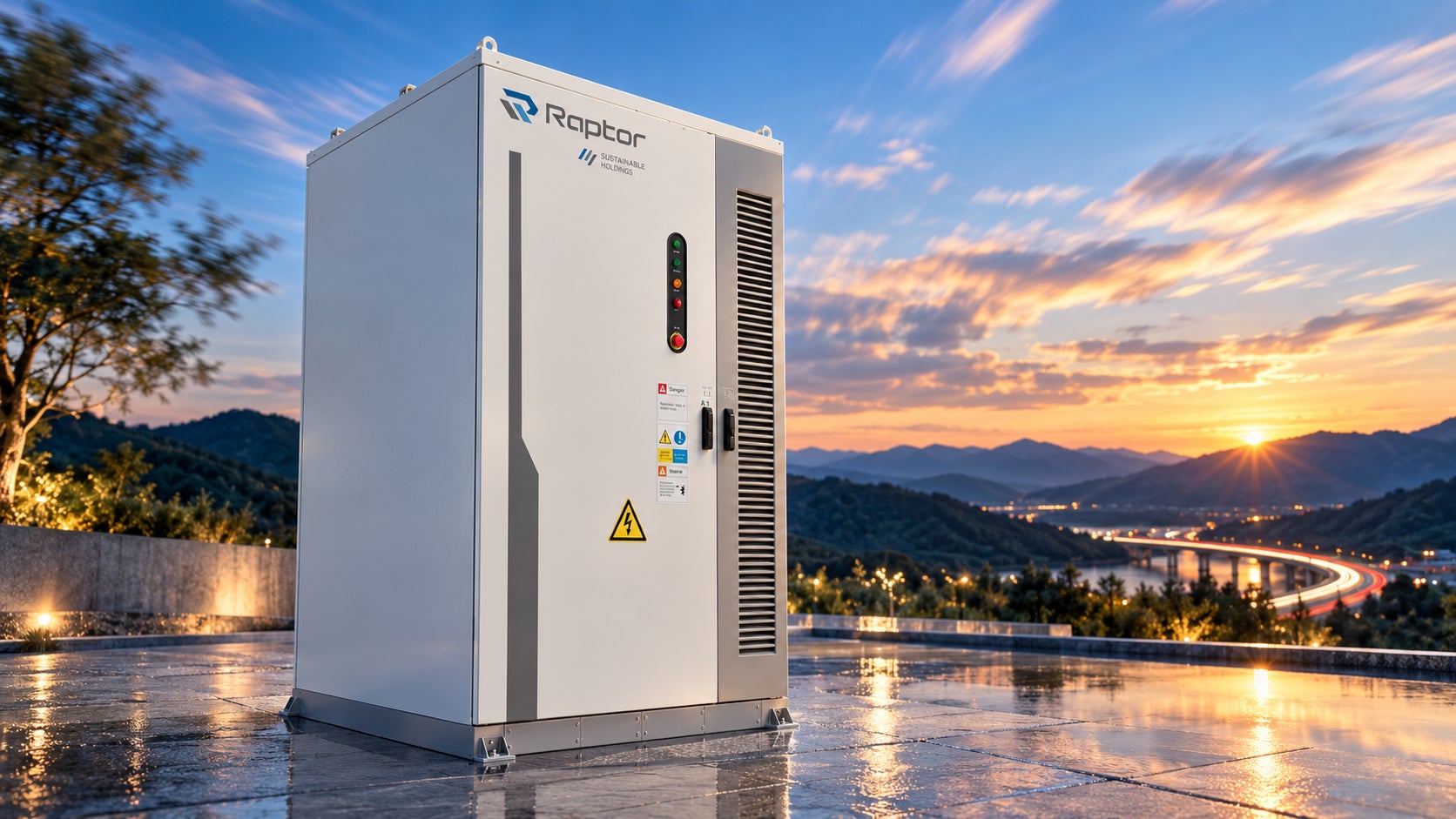
Sustainable Holdings advances business succession of Matsumoto grid-scale battery project toward November 2027 grid connection
Sustainable Holdings said it is moving to advance business succession for the Matsumoto project and file grid connection applications, targeting a Nov. 30, 2027 connection.

Learning from local wisdom: decarbonization as culture and coexistence with Japan's nature
Technology and numerical targets alone fail to close the gap with daily life, so a perspective is presented to rethink decarbonization through local context.

Koh Shibasaki to Produce Three-Day Music Festival in Osaka and Lake Kawaguchi in 2027
The May 2027 festival will be held at Osaka Castle Music Hall and Lake Kawaguchi Stella Theater, expanding from the two-day 2026 event at Lake Kawaguchi.
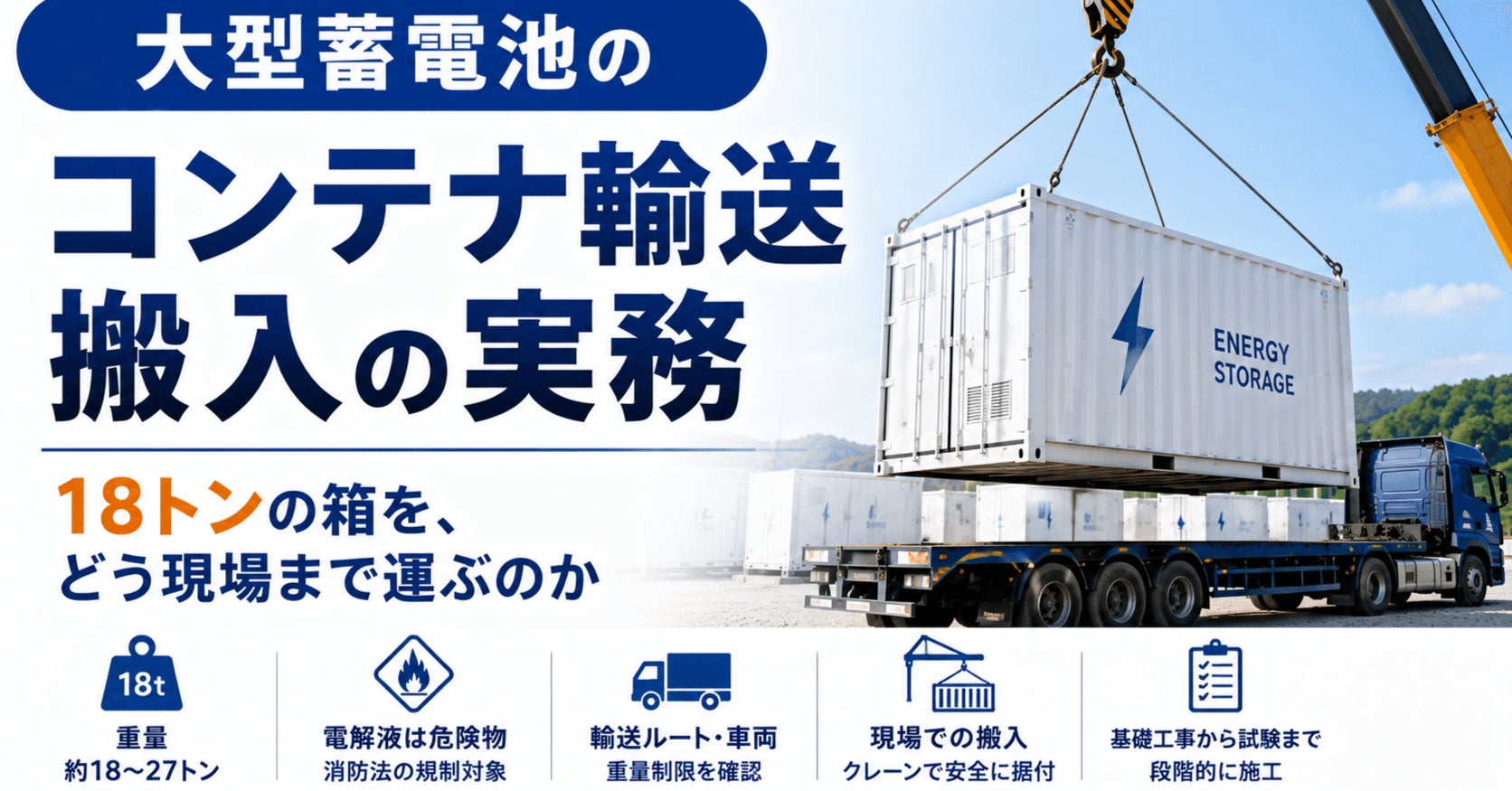
18-Ton Grid Battery Containers Raise Transport and Installation Challenges
The weight of each container and hazardous material rules for battery electrolyte are limiting how grid-scale batteries can be transported.