Mazda expands onsite PPAs and battery storage systems at Miyoshi and other sites
Mazda plans to extend onsite power purchase agreements and battery storage systems to facilities including Miyoshi to expand renewable energy use at its sites.

Mazda has announced a plan to expand renewable energy use at its facilities by deploying onsite PPAs and battery storage systems at sites including Miyoshi. The Miyoshi site is cited as a target, and the same arrangement will be extended to other facilities.
An onsite PPA is a contract form in which generation equipment is installed on a customer's premises or on building rooftops, and the electricity generated there is used on site. The power producer installs and owns the equipment, and the customer purchases the electricity generated. The approach is characterized by allowing renewable energy to be introduced with lower initial investment.
A PPA is a long-term contract under which a power producer and a customer buy and sell electricity. With onsite facilities, electricity can be used without going largely through the power grid, which makes it easier to match consumption within a site with generation output.
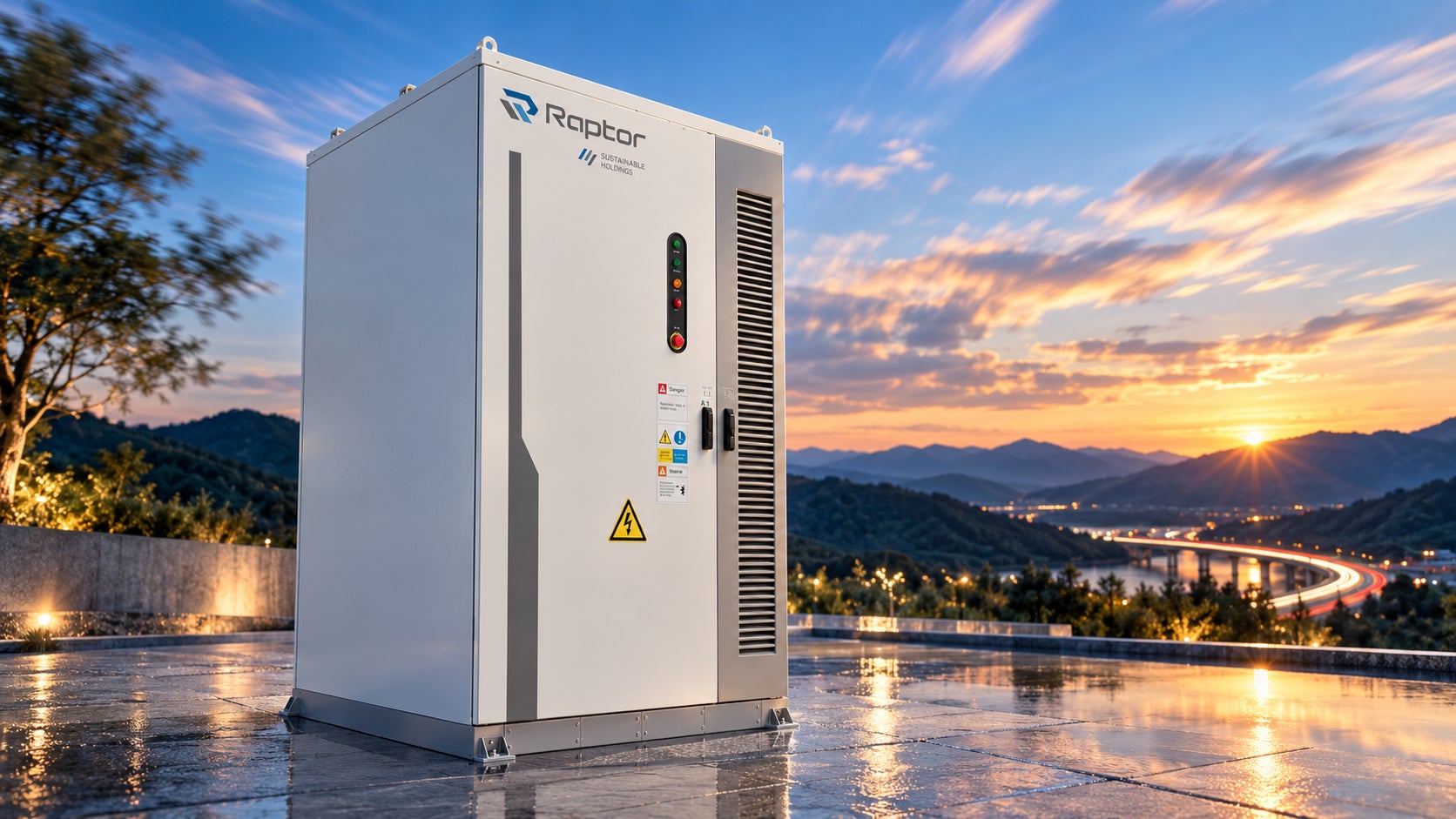
A battery storage system temporarily stores electricity generated from sources such as solar power and uses it at the times it is needed. When daytime generation and a facility's usage do not match, the stored electricity can be used to adjust. It smooths fluctuations in generation output and plays a role in raising the self-consumption rate.
For companies with large production sites, power consumption is high, and securing renewable-derived electricity is key to reducing greenhouse gas emissions. Combining their own generation equipment with storage is aimed at reducing reliance on external power.
The key points to watch are the scale of the equipment to be introduced, its generation output, and the extent of the emissions reduction effect. Because sunlight conditions and available installation area differ by site, expansion to other facilities will require individual study.
The approach appears aimed at reducing emissions across the entire business by accumulating site-level efforts. Its progress is worth watching as a move to pursue both decarbonization of production processes and renewable energy procurement.
Source: レスポンス(Response.jp)
This article was written by the editors based on the cited report and translated from Japanese.
More news
Sustainable Holdings advances business succession of Matsumoto grid-scale battery project toward November 2027 grid connection
Sustainable Holdings said it is moving to advance business succession for the Matsumoto project and file grid connection applications, targeting a Nov. 30, 2027 connection.

Learning from local wisdom: decarbonization as culture and coexistence with Japan's nature
Technology and numerical targets alone fail to close the gap with daily life, so a perspective is presented to rethink decarbonization through local context.

MWCC and Rio Tinto to explore microwave-based decarbonization of alumina refining
The companies agreed on Nov. 12, 2026, to design a pilot facility and conduct a feasibility study for microwave-based bauxite processing.

Koh Shibasaki to Produce Three-Day Music Festival in Osaka and Lake Kawaguchi in 2027
The May 2027 festival will be held at Osaka Castle Music Hall and Lake Kawaguchi Stella Theater, expanding from the two-day 2026 event at Lake Kawaguchi.