Florence biogas plant joins gas grid, targeting 6.5 million cubic meters of biomethane
Plures' Casa Sartori plant has been connected to Snam's gas network and aims to produce 6.5 million cubic meters of biomethane by 2026.

Work to connect a biogas plant in Casa Sartori, near Florence, Italy, to Snam's gas pipeline network has been completed. According to plans by Plures, which operates the plant, it will produce 6.5 million cubic meters of biomethane a year by 2026. This is fuel refined from the biogas generated at the facility to a quality that can be supplied to the city gas network.
Biogas is produced by anaerobic fermentation of organic waste and agricultural residues, and consists mainly of methane and carbon dioxide. Because it contains many impurities such as CO2 as is, biogas refined to increase its methane concentration is called biomethane. Its composition is nearly the same as natural gas, so it is considered advantageous that existing infrastructure and equipment can be used as is.
Biomethane supplied to the gas network has the effect of replacing natural gas derived from fossil fuels. However, the actual reduction in CO2 emissions varies depending on the type of feedstock and emissions from the production process.
Next, attention will focus on whether the plant can reliably supply 6.5 million cubic meters of biomethane a year by 2026. At the same time, the share of renewable gas in Italy's energy supply will change depending on how many similar facilities are built.
Source: HydroNews
This article was written by the editors based on the cited report and translated from Japanese. AI is used to assist in writing and translation.
More news

Asuene to Support CO2 Emissions Calculations for Osaka Marathon 2027 Event
Asuene has signed a sustainability partnership with the Osaka Marathon Foundation to measure CO2 emissions before and after the February 28, 2027, race.
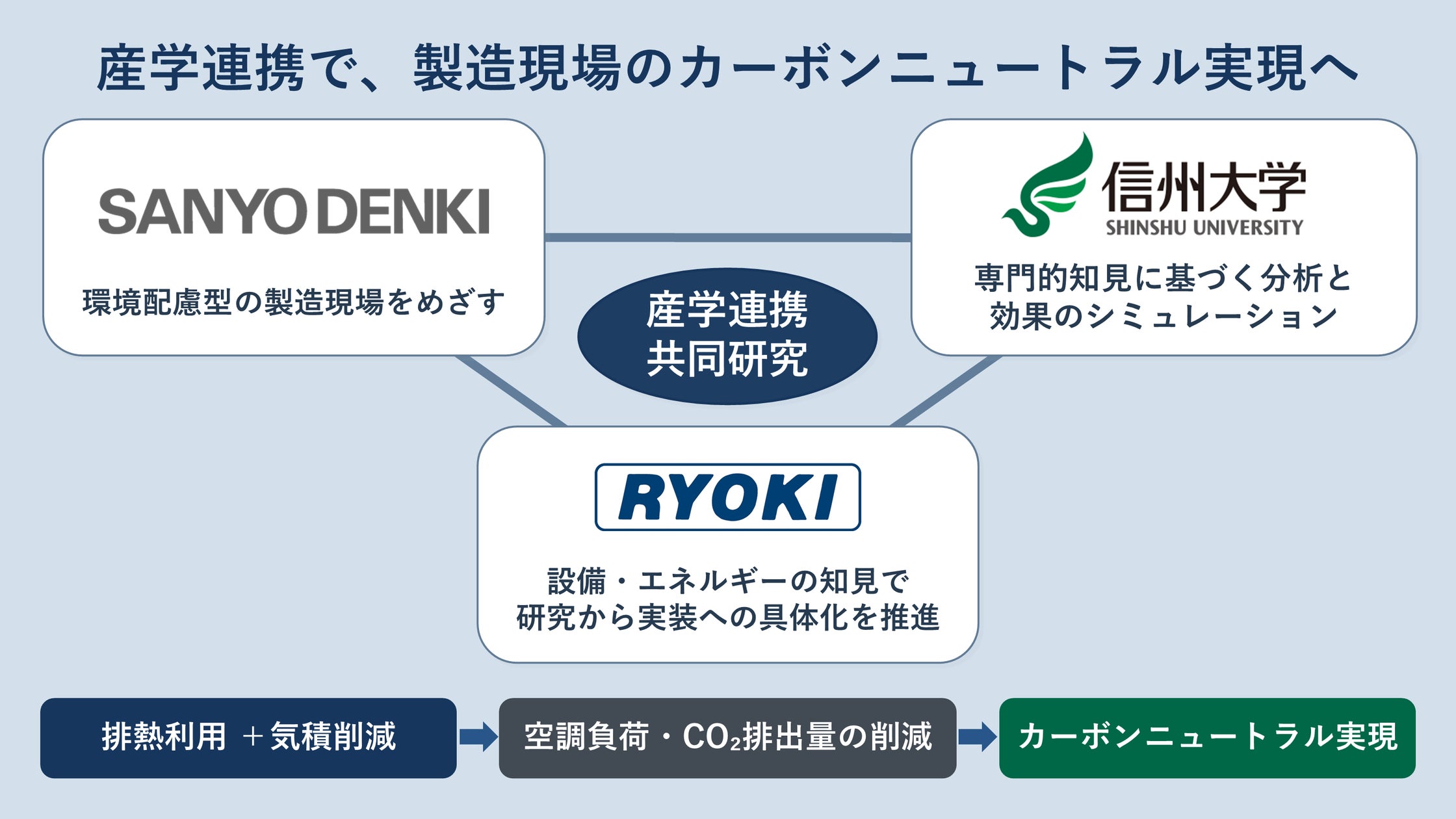
Sanyo Denki Factory Tests Waste Heat Reuse and Air Volume Cuts in Joint Study
Ryoki Kogyo said its joint study with Shinshu University and Sanyo Denki examined waste heat and unused space at a factory in Ueda through field measurements and analysis.

Kose Holdings outlines plan to use green hydrogen to decarbonize cosmetics manufacturing
Kose Holdings said it will use green hydrogen in cosmetics production as part of its drive to cut emissions in manufacturing.

Choshu Industry starts mass production of thin tandem perovskite solar cells
Choshu Industry has begun mass production of tandem perovskite solar cells, a thin, lightweight and bendable next-generation technology.