Tokyo Metropolitan Government and Shiseido co-develop lip balm made with Tokyo-produced green hydrogen
A lip balm co-developed by the Tokyo Metropolitan Government and Shiseido is launching sample giveaways to spread awareness of green hydrogen produced in Tokyo.

The lip balm, co-developed by the Tokyo Metropolitan Government and Shiseido, is made using green hydrogen produced in Tokyo. The government plans to distribute samples to broadly promote the potential of green hydrogen produced in Tokyo.
Green hydrogen refers to hydrogen obtained by splitting water through electrolysis using electricity generated from renewable energy. Its key feature is that it emits no carbon dioxide during production. Hydrogen produced by reforming natural gas is called gray hydrogen and does emit carbon dioxide during production.
Hydrogen's uses are expanding to include fuel cells, power generation, and as a heat source and raw material for industry. Using hydrogen-based materials in everyday products is a way to help the public learn about hydrogen use.
Efforts to produce and use hydrogen within cities are drawing attention because they can reduce the burden of transport and storage. Linking energy generated locally to everyday products is also an effort to enhance the value of the region.
However, green hydrogen tends to cost more to produce than conventional hydrogen. How far it is used in products and how much of that cost is reflected in prices directly affects the business's sustainability.
When a government and a company jointly develop a product, it is common for the government to explain the significance of the initiative from a public standpoint while the company brings the product to society. Distributing samples also provides an opportunity to gauge user reactions.
Decarbonization progresses not only through large-scale equipment investment but also through broader understanding fostered by everyday products. How hydrogen-based products are received will offer clues to the direction of future adoption.
Attention will now focus on the results of the sample distribution and whether the product continues to roll out. Whether the supply and uses of Tokyo-produced green hydrogen expand will also shape the outcome of the initiative.
BLUE NOVA Hydrogen Journal view
The lip balm made with green hydrogen produced in Tokyo stands out for linking hydrogen to a familiar consumer product: cosmetics. Hydrogen is often discussed in terms of power generation and fuel cells, and it has had limited exposure to consumers. The joint development by the government and a company, along with the distribution of samples to demonstrate the potential, is an effort to make the use of locally produced green hydrogen known to the public. Going forward, the product's rollout and user reactions will serve as indicators of how far this initiative spreads.
Source: dメニューニュース
This article was written by the editors based on the cited report and translated from Japanese. AI is used to assist in writing and translation.
More news
Asuene to Support CO2 Emissions Calculations for Osaka Marathon 2027 Event
Asuene has signed a sustainability partnership with the Osaka Marathon Foundation to measure CO2 emissions before and after the February 28, 2027, race.
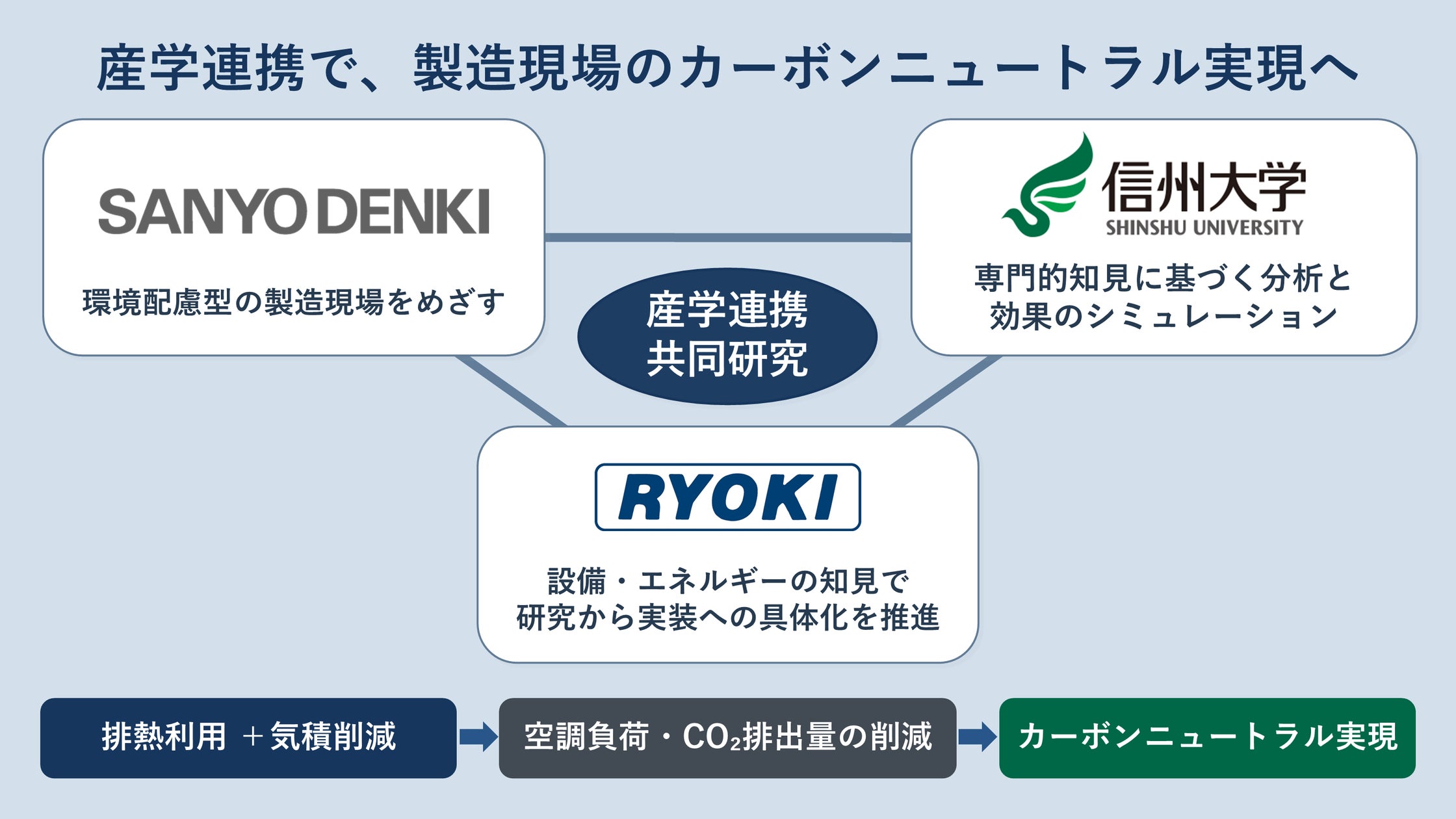
Sanyo Denki Factory Tests Waste Heat Reuse and Air Volume Cuts in Joint Study
Ryoki Kogyo said its joint study with Shinshu University and Sanyo Denki examined waste heat and unused space at a factory in Ueda through field measurements and analysis.
Kose Holdings outlines plan to use green hydrogen to decarbonize cosmetics manufacturing
Kose Holdings said it will use green hydrogen in cosmetics production as part of its drive to cut emissions in manufacturing.

Choshu Industry starts mass production of thin tandem perovskite solar cells
Choshu Industry has begun mass production of tandem perovskite solar cells, a thin, lightweight and bendable next-generation technology.