Miyagi Prefecture to Hold Renewable Energy Bus Tour of Agrivoltaic Facility
The tour will visit the latest agrivoltaic facility and be followed by practical discussion on how to combine farming and power generation.
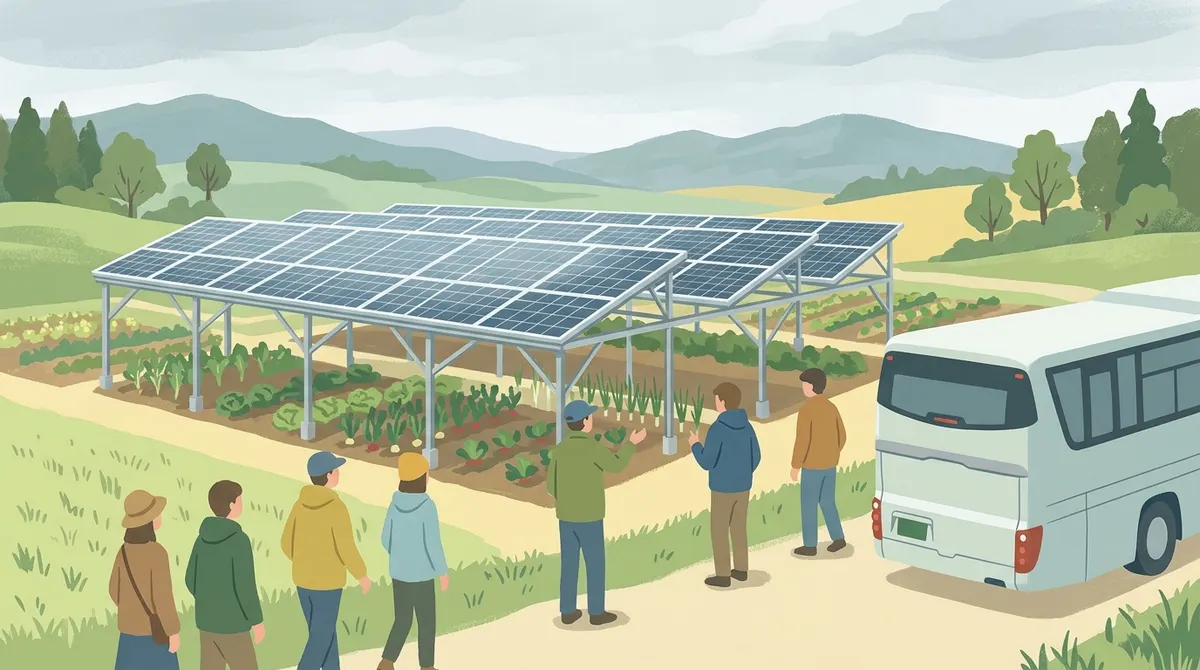
Miyagi Prefecture will hold a bus tour focused on renewable energy. Participants will visit the latest agrivoltaic facility and then take part in a practical discussion.
Agrivoltaics is a system that installs solar panels over farmland so that farming and power generation can take place on the same land. Its feature is that crops can continue to be grown beneath the panels while still receiving the sunlight they need.
Solar power generation converts the light received by panels into direct current, which a power conditioner then converts into alternating current and sends to the power grid. The amount of electricity generated depends on the amount of sunlight and the orientation and tilt of the equipment.
In Japan, agrivoltaics has been promoted as a way to generate renewable energy while keeping farmland in agricultural use. Some farmers entrust the installation of panels to power generation companies and receive rent or a share of electricity sales revenue.
Because equipment is placed on farmland, the main issues in introducing these systems include the strength of the support structures, the rate of shading, crop selection, and whether farming can continue. Records of yields and work efficiency are sometimes required to demonstrate that farming can be sustained.
Agrivoltaics is attracting attention as an approach that balances the expansion of renewable energy with the sustainability of agriculture. To expand adoption in the future, it will be important for local farmers, government authorities, and power generation companies to continue sharing information through repeated forums.
BLUE NOVA Hydrogen Journal view
Agrivoltaics is positioned as a way to combine renewable power generation and agriculture in a country with limited land. A bus tour that combines site visits with discussion is meaningful as a forum where people considering adoption can check on-site conditions and share challenges. The key point to watch is whether efforts to find arrangements suited to local land use, without sacrificing either power generation or farming, spread.
Source: Yahoo!ニュース
This article was written by the editors based on the cited report and translated from Japanese. AI is used to assist in writing and translation.
More news

Asuene to Support CO2 Emissions Calculations for Osaka Marathon 2027 Event
Asuene has signed a sustainability partnership with the Osaka Marathon Foundation to measure CO2 emissions before and after the February 28, 2027, race.
Sanyo Denki Factory Tests Waste Heat Reuse and Air Volume Cuts in Joint Study
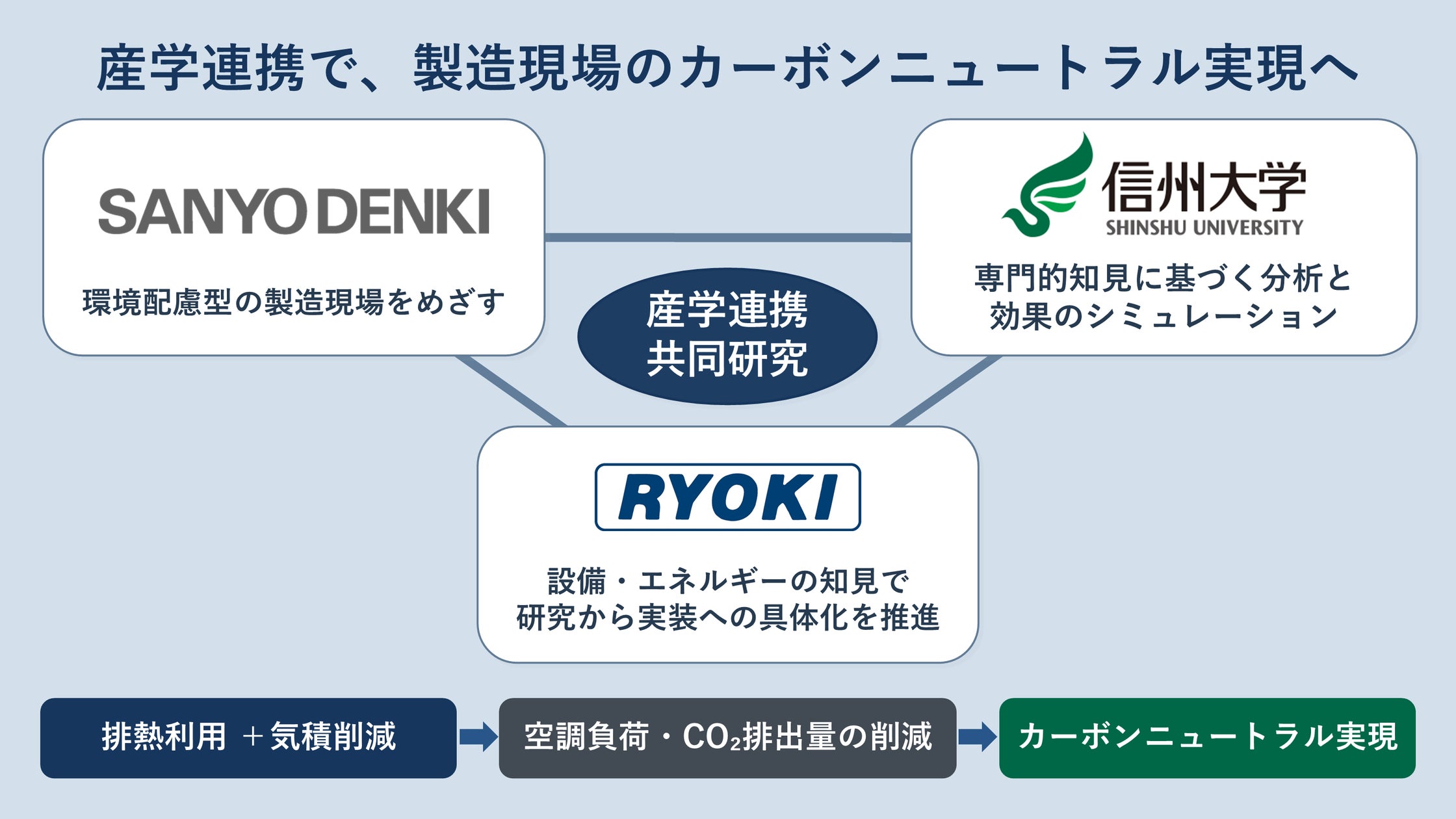
Ryoki Kogyo said its joint study with Shinshu University and Sanyo Denki examined waste heat and unused space at a factory in Ueda through field measurements and analysis.

Kose Holdings outlines plan to use green hydrogen to decarbonize cosmetics manufacturing
Kose Holdings said it will use green hydrogen in cosmetics production as part of its drive to cut emissions in manufacturing.

Choshu Industry starts mass production of thin tandem perovskite solar cells
Choshu Industry has begun mass production of tandem perovskite solar cells, a thin, lightweight and bendable next-generation technology.