Dissolved iron speeds electrolyzer degradation during power outages, study finds
A study shows that dissolved iron in water accelerates degradation of electrolyzers when the power supply stops, such as during outages.
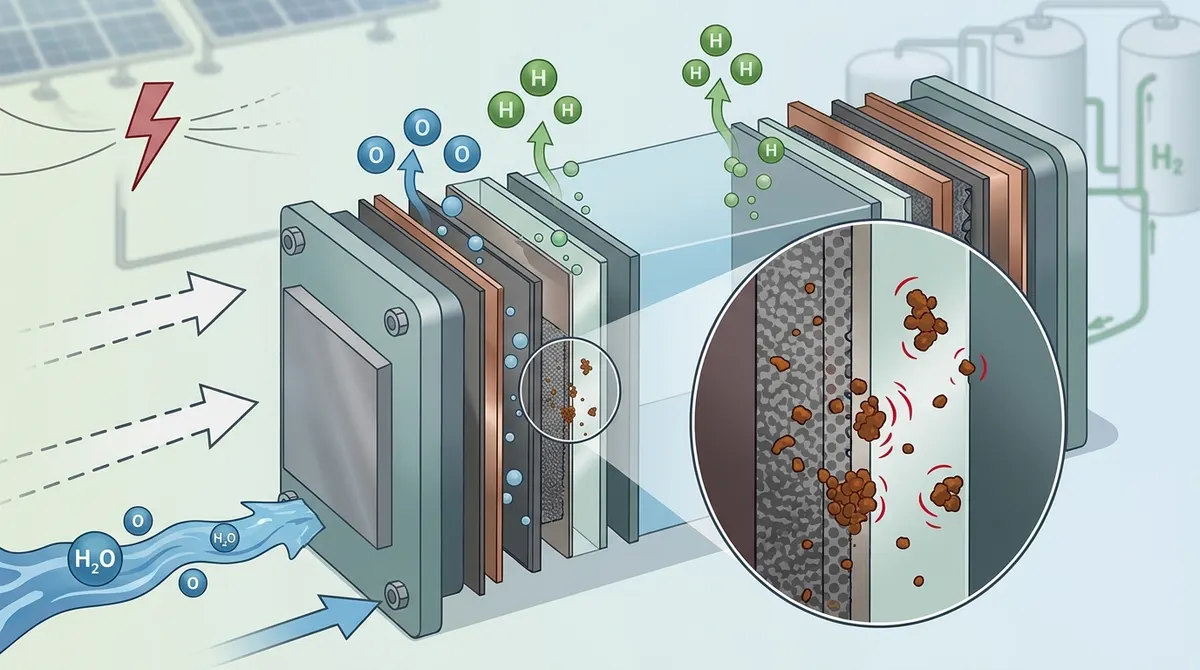
A study has shown that dissolved iron impurities in water accelerate the degradation of electrolyzers used to produce green hydrogen from water split by electricity generated from renewable energy when the power supply is interrupted, such as during an outage.
An electrolyzer is a device that passes an electric current through water to separate it into hydrogen and oxygen. Its core is a stack of electrodes and membranes, and the condition of this part determines the performance and lifespan of the entire unit. Because output from solar and wind power fluctuates, electrolyzers tend to be repeatedly shut down and restarted as electricity supply rises and falls.
Water supplied to electrolyzers contains trace amounts of metal ions and impurities. While water treatment is generally used to remove them, it has long been pointed out that iron ions may leach from metal components in piping and equipment, and that when they adhere to the surfaces of electrodes and catalysts, reactivity declines.
Electrolyzers are among the most expensive equipment in hydrogen production facilities. A shorter lifespan raises replacement costs and feeds directly into the production cost of hydrogen. The durability of electrolyzers is a key factor in the commercial viability of green hydrogen.
Possible countermeasures include tighter water quality control to keep metal ions such as iron low, and a review of procedures for safely shutting down equipment during power outages. Design measures, including the selection of materials, should also be considered.
The focus going forward will be whether these degradation factors can be evaluated in relation to actual operating conditions and reflected in water quality standards and operating guidelines for shutdowns and restarts. Progress in verification using actual equipment will be a key indicator in judging improvements to electrolyzer durability.
Source: Bioengineer.org
This article was written by the editors based on the cited report and translated from Japanese. AI is used to assist in writing and translation.
More news
Asuene to Support CO2 Emissions Calculations for Osaka Marathon 2027 Event
Asuene has signed a sustainability partnership with the Osaka Marathon Foundation to measure CO2 emissions before and after the February 28, 2027, race.
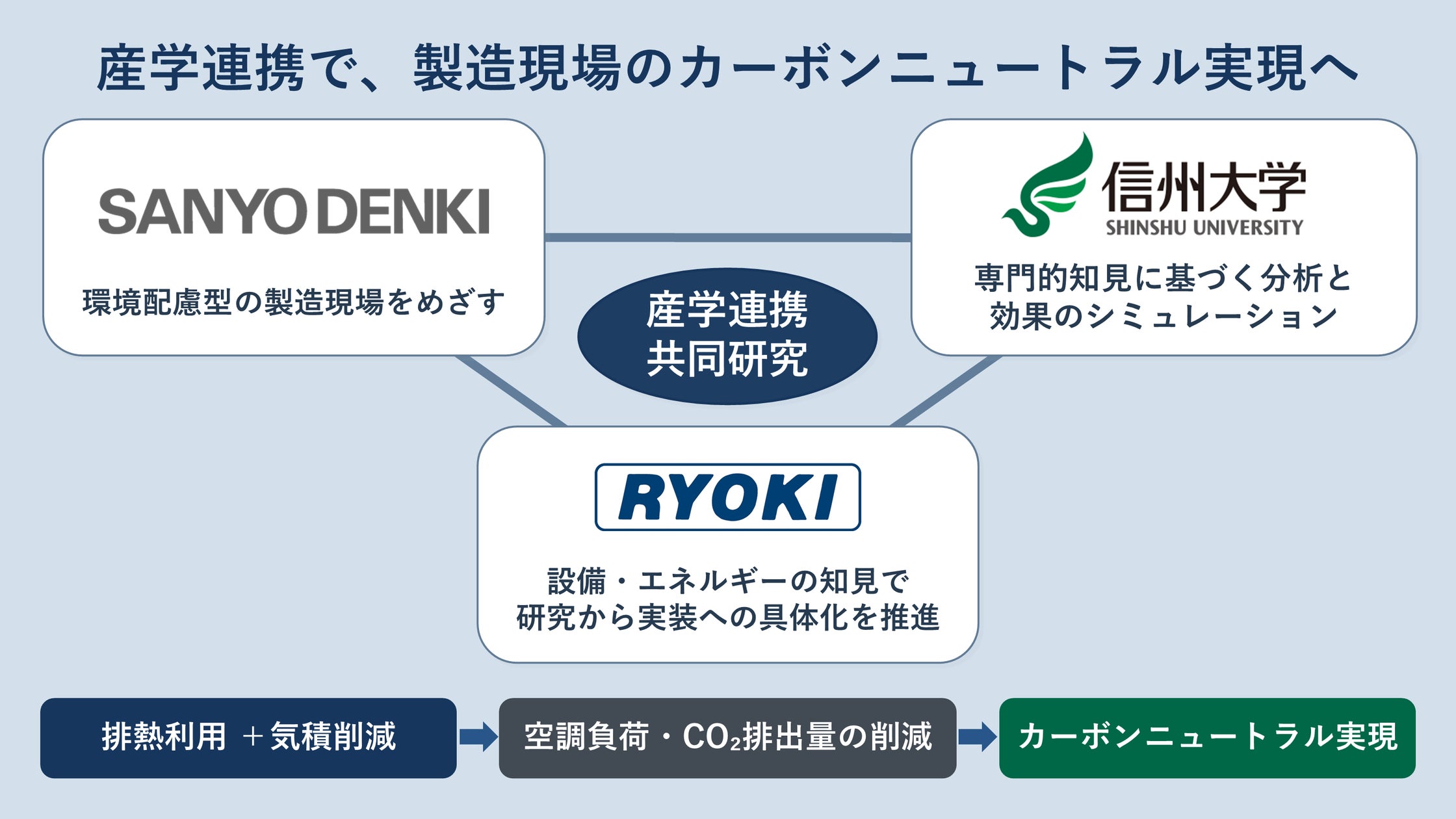
Sanyo Denki Factory Tests Waste Heat Reuse and Air Volume Cuts in Joint Study
Ryoki Kogyo said its joint study with Shinshu University and Sanyo Denki examined waste heat and unused space at a factory in Ueda through field measurements and analysis.

Kose Holdings outlines plan to use green hydrogen to decarbonize cosmetics manufacturing
Kose Holdings said it will use green hydrogen in cosmetics production as part of its drive to cut emissions in manufacturing.

Choshu Industry starts mass production of thin tandem perovskite solar cells
Choshu Industry has begun mass production of tandem perovskite solar cells, a thin, lightweight and bendable next-generation technology.