Japan's first batch-type dry methane fermentation plant starts operating in Fujinomiya
A new facility that produces biogas from organic waste has started operating in Fujinomiya City, Shizuoka Prefecture.

Japan's first batch-type dry methane fermentation facility has started operating in Fujinomiya City. The method ferments organic waste to produce biogas, and it is the first time this type has been introduced in Japan.
Methane fermentation is a technology in which microorganisms break down organic matter to produce biogas, which is mainly composed of methane. Biogas is used for power generation and heat, and the digestate remaining after fermentation can be used as fertilizer.
Dry methane fermentation is a method in which fermentation takes place while the moisture content of the raw material is kept low. Compared with wet methods, which dilute waste heavily with water, it is easier to handle waste with a high solid content and easier to reduce water use.
In the batch method, raw material is loaded into a fermentation tank in fixed amounts, fermented for a set period, and then removed. Compared with the continuous method, in which raw material is fed continuously, it makes it easier to change combinations of raw materials and the equipment configuration is relatively simple.
The biogas produced through fermentation is used for power generation and heat by gas engines and other equipment. Common uses include selling the electricity and using the heat within the facility, and revenue can also come partly from waste reception fees and sales of fertilizer.
The treatment of organic waste is attracting attention as a way to recycle it as a resource without relying on incineration. Processing local raw materials such as food residue and livestock manure and converting them into energy and fertilizer contributes to building a regional recycling-based society.
The facility in Fujinomiya is attracting attention as an example of this new method, and its future operating performance will be closely watched. Stable fermentation according to the type and amount of raw material, and the efficiency of biogas use, will be important evaluation points.
The viability of biogas businesses, including methane fermentation, depends on whether power and heat demand, raw material procurement, and the outlet for digestate can be designed together. The start of operations is expected to serve as an example of a regional business model that meets these conditions.
BLUE NOVA Hydrogen Journal view
The start of operations shows that a new option for turning organic waste into energy and fertilizer without incineration has reached practical use in Japan. The combination of dry and batch methods reduces water use and makes raw materials easier to handle, which could also make it suitable for small-scale local waste treatment. Whether operational stability and business profitability are confirmed will determine future adoption.
Source: 日経BP
This article was written by the editors based on the cited report and translated from Japanese. AI is used to assist in writing and translation.
More news

Asuene to Support CO2 Emissions Calculations for Osaka Marathon 2027 Event
Asuene has signed a sustainability partnership with the Osaka Marathon Foundation to measure CO2 emissions before and after the February 28, 2027, race.
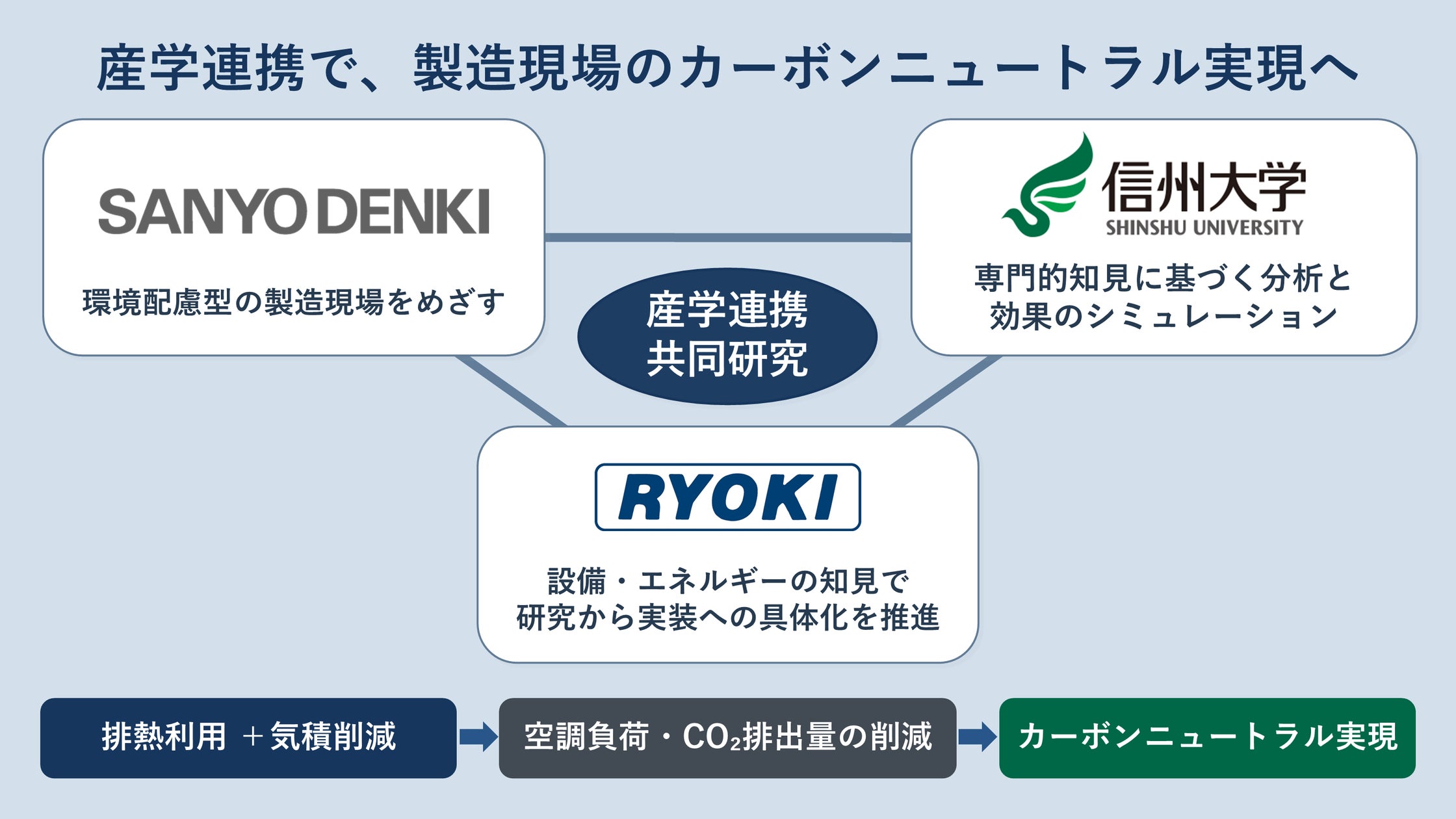
Sanyo Denki Factory Tests Waste Heat Reuse and Air Volume Cuts in Joint Study
Ryoki Kogyo said its joint study with Shinshu University and Sanyo Denki examined waste heat and unused space at a factory in Ueda through field measurements and analysis.

Kose Holdings outlines plan to use green hydrogen to decarbonize cosmetics manufacturing
Kose Holdings said it will use green hydrogen in cosmetics production as part of its drive to cut emissions in manufacturing.

Choshu Industry starts mass production of thin tandem perovskite solar cells
Choshu Industry has begun mass production of tandem perovskite solar cells, a thin, lightweight and bendable next-generation technology.