Koike Proposes Green Hydrogen Economic Zone at International Conference in Yamanashi
At the international conference held October 19-21, 2026, in Hokuto, Yamanashi Prefecture, Tokyo Governor Yuriko Koike and Yamanashi Governor Kotaro Nagasaki held a dialogue on October 20.

The international conference "Fuji Hydrogen Summit 2026" was held in Hokuto, Yamanashi Prefecture, from October 19 to 21, 2026. On the second day, October 20, Tokyo Governor Yuriko Koike and Yamanashi Governor Kotaro Nagasaki held a dialogue, in which Koike said she aims to "create a green hydrogen economic zone and achieve decarbonization."
The conference was designed as a forum for sharing knowledge gained from hydrogen demonstration and deployment sites around the world and for discussing next steps for each country and region. On the second day, in addition to the governors' dialogue, presentations on various cases and special lectures were held, and discussions on the social implementation of hydrogen energy took place.
Hydrogen energy is a next-generation clean energy that generates electricity and heat through a chemical reaction between hydrogen and oxygen, or used by combustion. A major feature is that it emits no carbon dioxide (CO2) when used.
Because hydrogen can be used for seasonal energy storage and long-distance transport, it is also attracting attention as a means of offsetting fluctuations in renewable energy. Hydrogen can be produced from a variety of resources, including water, natural gas, oil and biomass, giving a wide range of supply options.
Hydrogen is named according to how it is produced. Hydrogen made by electrolysis of water using electricity from renewable sources is called green hydrogen; hydrogen produced by reforming natural gas is called blue hydrogen if the resulting CO2 is captured and stored, and gray hydrogen if it is not.
In industry, countries are studying ways to cut emissions by using hydrogen in processes that are hard to electrify, such as steelmaking and chemicals manufacturing. Use in transportation is also advancing, including fuel-cell cars and buses.
The conference focused on linking the results of such demonstrations to the next stage in regions. Interest in hydrogen as an energy source needed to achieve carbon neutrality is expected to keep growing.
The key question going forward is how to form a green hydrogen economic zone and expand local initiatives.
Source: ウォーカープラス
This article was written by the editors based on the cited report and translated from Japanese.
More news
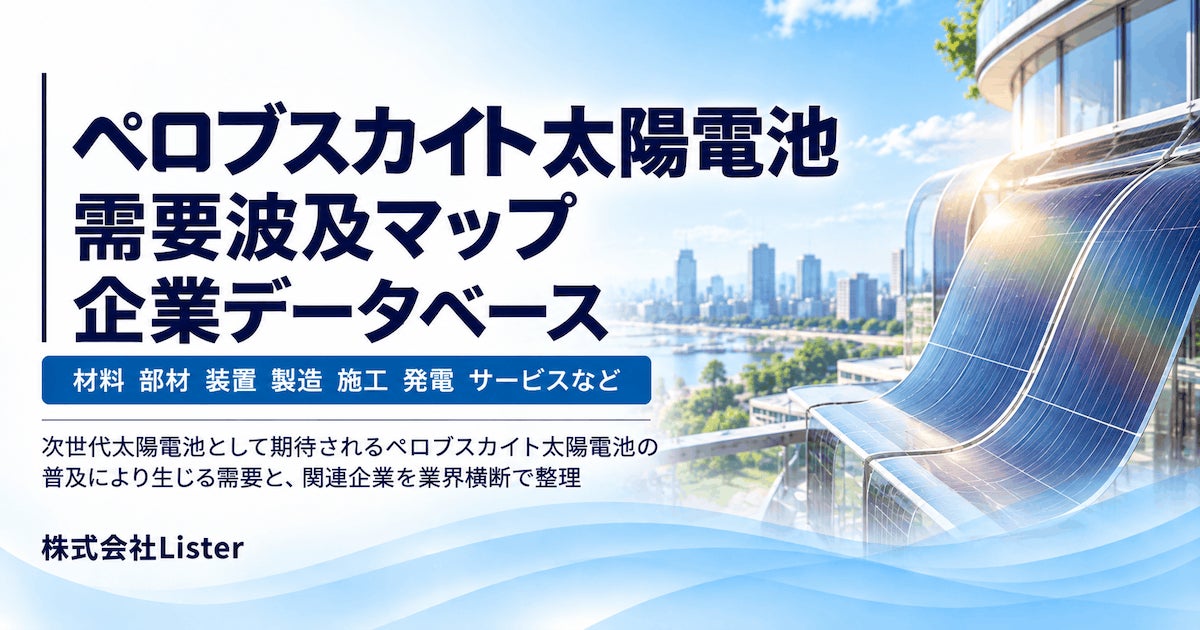
Lister launches database of firms tied to perovskite solar cell supply chain
The database lists companies and their products and services across manufacturing equipment, materials, construction and maintenance.
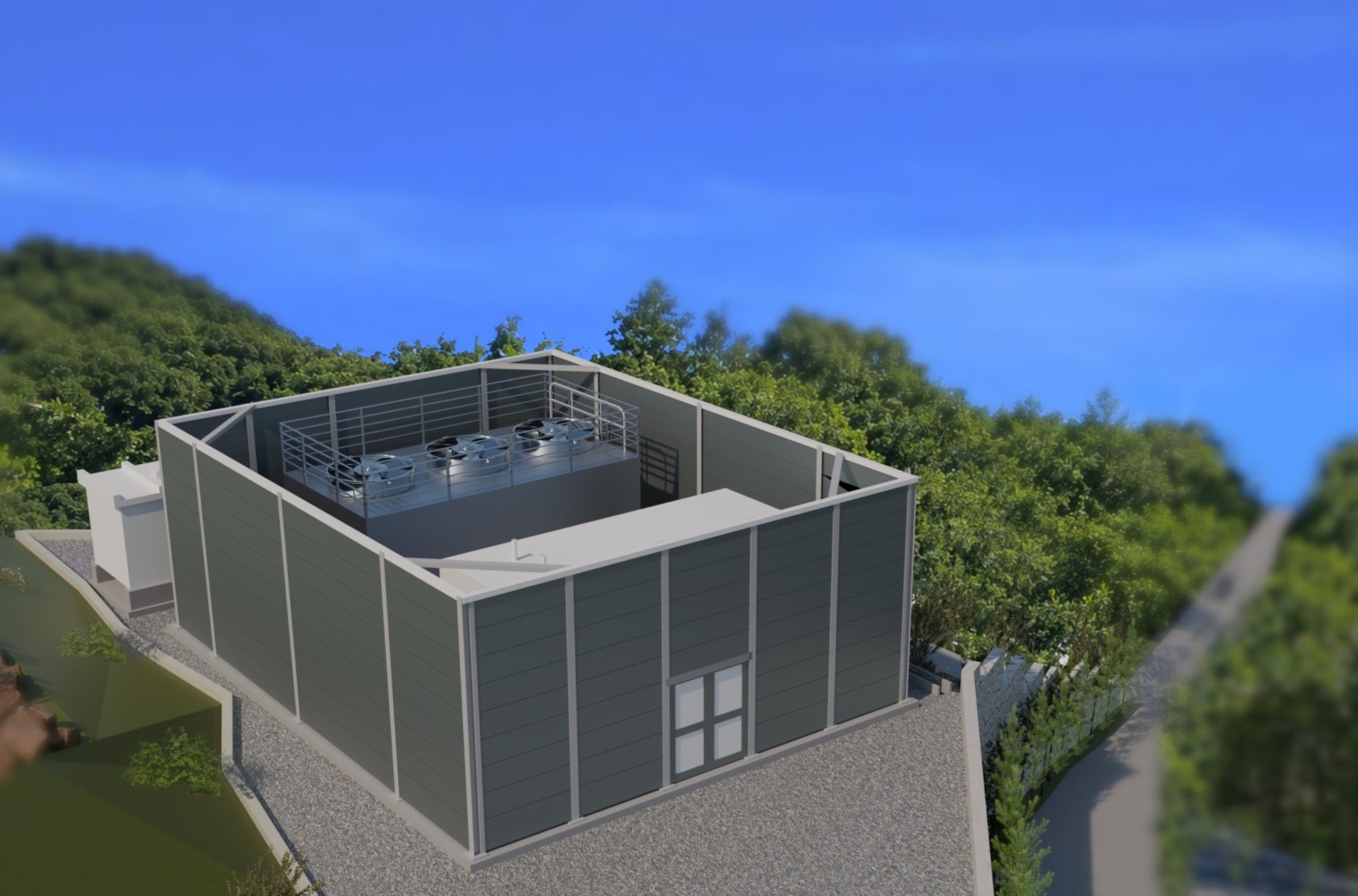
Beppu geothermal binary plant signs EPC deal and begins construction
Intelect will handle design, procurement and construction for BLD Power Stations' geothermal power project in Beppu, Oita Prefecture.
Tensor Cloud Adopted by Orix for Solar Power Output Forecasting and Notification Operations
Tensor Energy's platform is being used to forecast output and handle notification work at some of Orix's solar power plants.
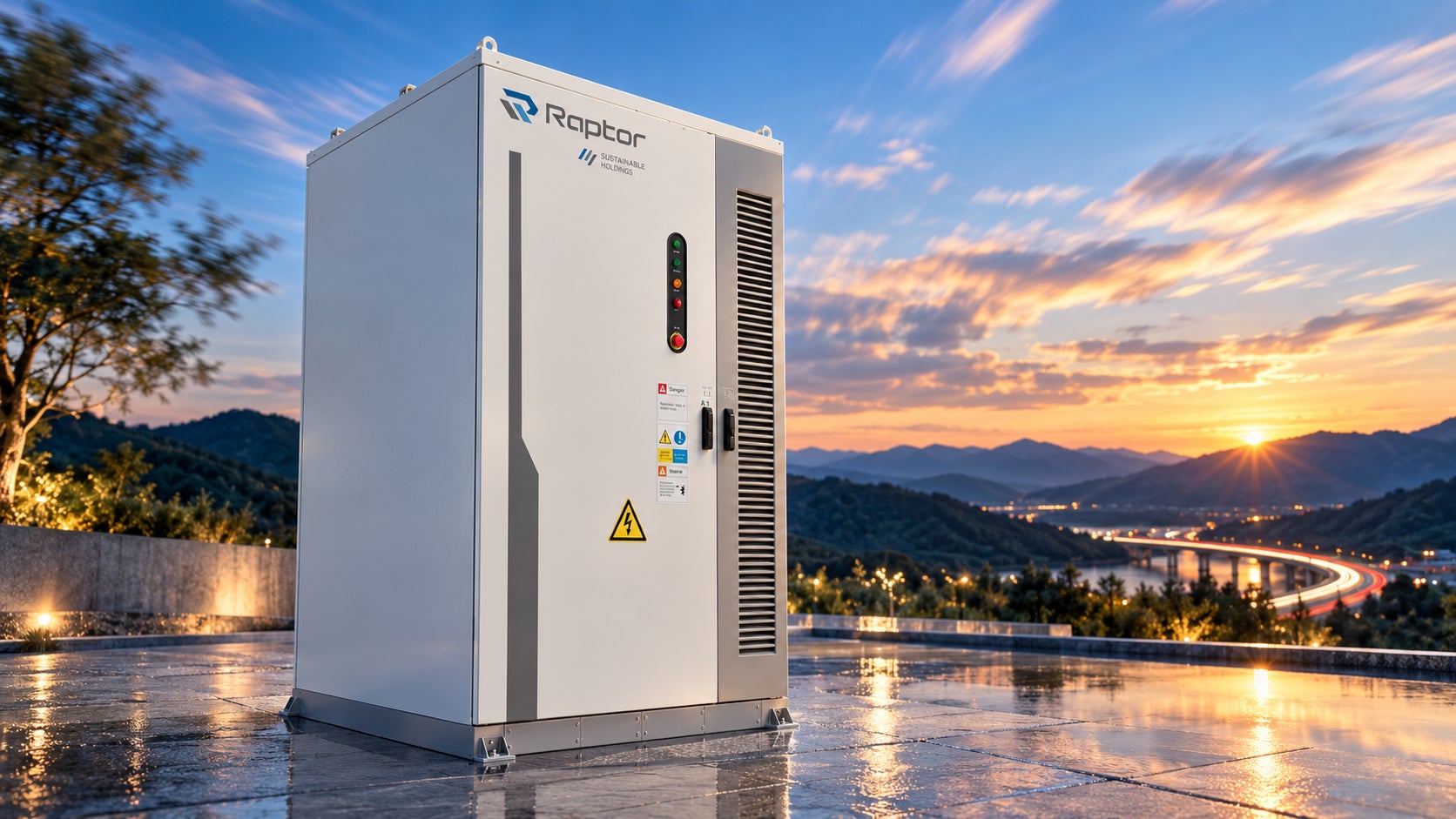
Sustainable Holdings advances business succession of Matsumoto grid-scale battery project toward November 2027 grid connection
Sustainable Holdings said it is moving to advance business succession for the Matsumoto project and file grid connection applications, targeting a Nov. 30, 2027 connection.