China plans to raise SAF output capacity to 2.4 million tons a year by 2030
The plan is aimed at accelerating decarbonization of aviation fuel and sets a target for a large expansion of sustainable aviation fuel production by 2030.
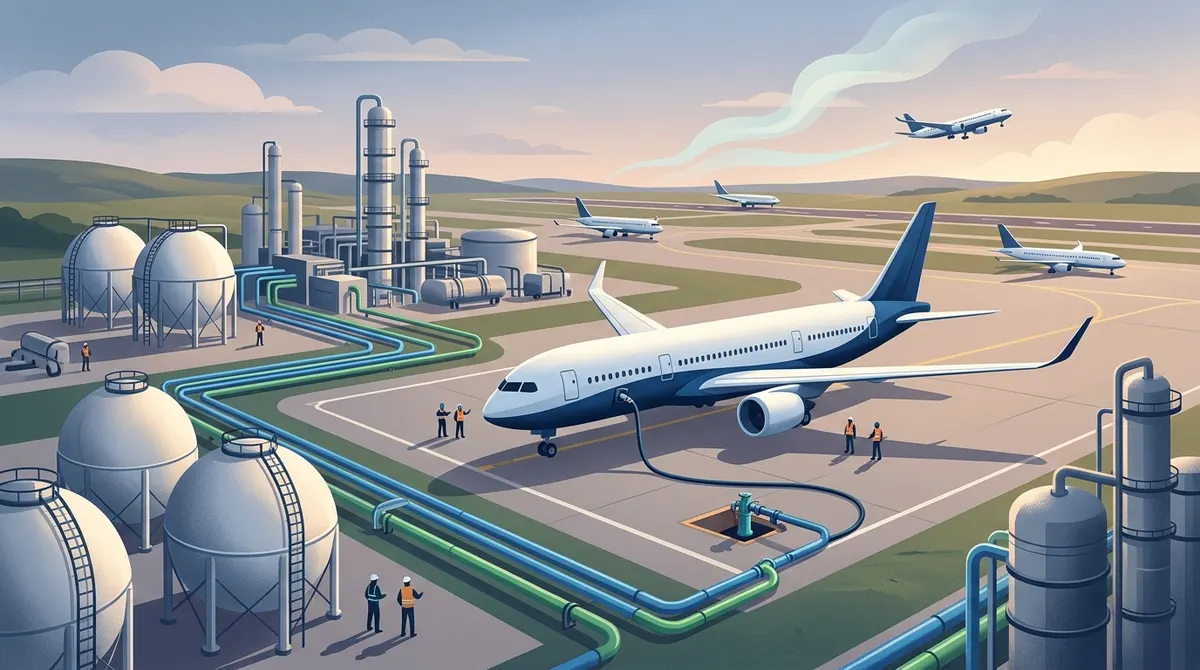
China has outlined a plan to accelerate decarbonization of aviation fuel by raising its annual production capacity for sustainable aviation fuel (SAF) to 2.4 million tons by 2030. The announcement positions this figure as a central target for decarbonizing the country's domestic aviation sector.
SAF is aircraft fuel made from feedstocks such as used cooking oil, biomass and synthetic fuels. It is designed to work in existing aircraft engines without modification and is generally blended with conventional jet fuel. Depending on the source of its feedstock, it can reduce lifecycle CO2 emissions compared with conventional fuel.
The aviation sector is considered difficult to electrify or convert to hydrogen, so switching fuels is expected to be the main means of decarbonizing it. Long-haul flights require large amounts of energy, which makes replacing liquid fuel a realistic option.
Achieving the target of 2.4 million tons a year will require securing feedstocks, investing in production facilities, and connecting to existing fuel supply networks. Alongside expanding capacity, the country will need to build collection networks for used cooking oil and other feedstocks and bring down production costs.
On the feedstock side, the key will be developing collection networks for used cooking oil as well as technology to produce synthetic fuel from hydrogen and CO2 using electricity from renewable energy. Because synthetic fuel does not use fossil fuels as feedstock, research and demonstration projects are advancing in many countries as a decarbonization option.
Internationally, the European Union and some other regions have established systems requiring SAF to be blended into aviation fuel. Such systems are expected to create demand, so presenting specific production figures on the supply side is meaningful for investment decisions and for building supply networks.
In terms of business, SAF production depends on revenue from fuel sales. Production costs are highly sensitive to feedstock prices and are generally higher than those of conventional jet fuel. As a result, purchases by airlines, government support measures, and systems that trade emissions certificates play a key role in supporting profitability.
Attention will focus on progress against the production plan, the track record of feedstock procurement, and trends in airlines' expanded use of SAF. The central question is whether the plan will translate into actual increases in production capacity by 2030.
Source: 亜州ビジネス中国
This article was written by the editors based on the cited report and translated from Japanese.
More news
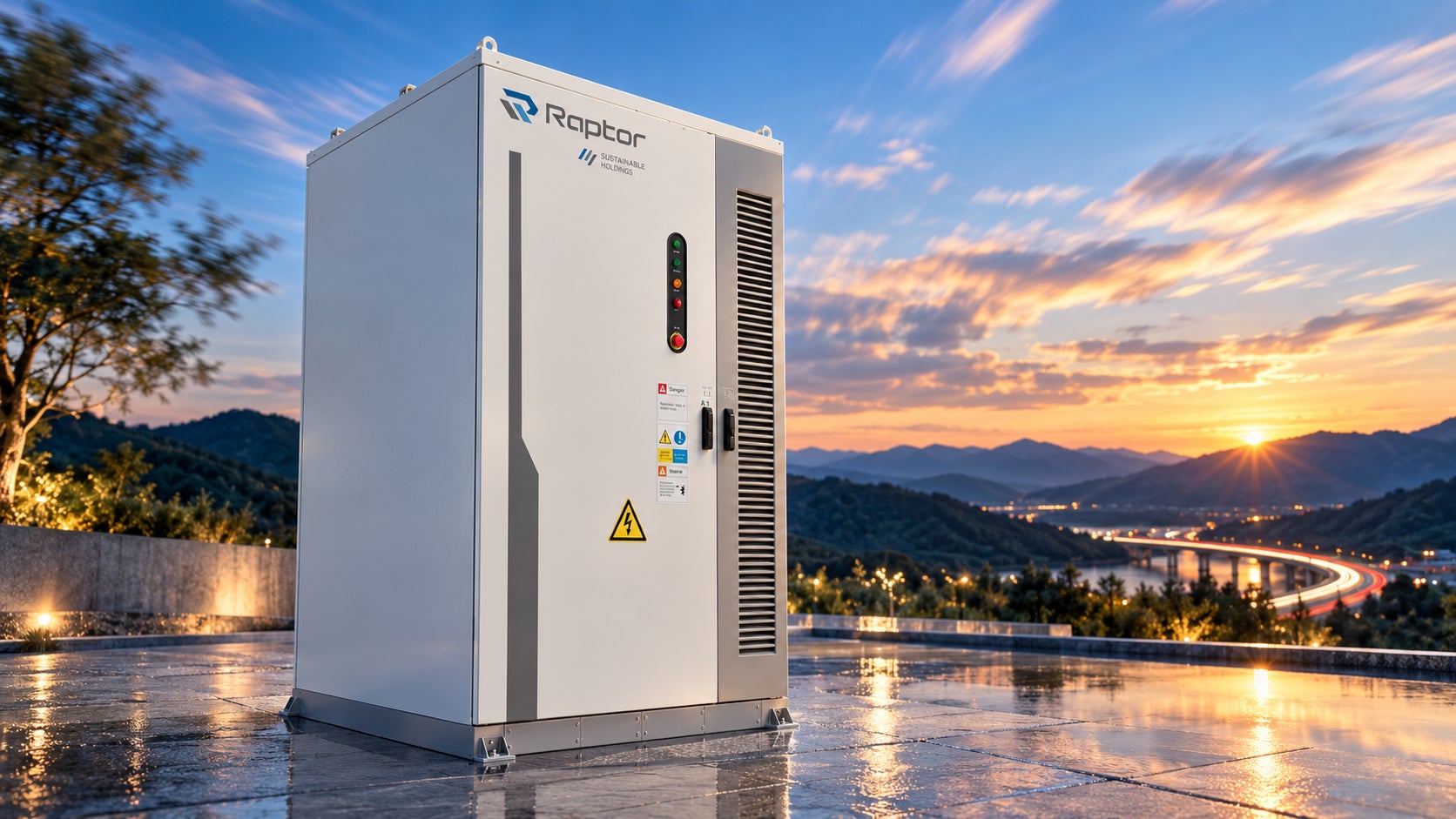
Sustainable Holdings advances business succession of Matsumoto grid-scale battery project toward November 2027 grid connection
Sustainable Holdings said it is moving to advance business succession for the Matsumoto project and file grid connection applications, targeting a Nov. 30, 2027 connection.

Learning from local wisdom: decarbonization as culture and coexistence with Japan's nature
Technology and numerical targets alone fail to close the gap with daily life, so a perspective is presented to rethink decarbonization through local context.

MWCC and Rio Tinto to explore microwave-based decarbonization of alumina refining
The companies agreed on Nov. 12, 2026, to design a pilot facility and conduct a feasibility study for microwave-based bauxite processing.

Koh Shibasaki to Produce Three-Day Music Festival in Osaka and Lake Kawaguchi in 2027
The May 2027 festival will be held at Osaka Castle Music Hall and Lake Kawaguchi Stella Theater, expanding from the two-day 2026 event at Lake Kawaguchi.