Obayashi and others develop system making hydrogen on building rooftops for power generation
Obayashi Corporation and its partners unveiled a system that produces hydrogen on a building's roof, stores it in hydrogen-absorbing alloys and uses it to generate electricity.

Obayashi Corporation and its partners have unveiled a system that produces hydrogen on a building's rooftop, stores it in hydrogen-absorbing alloys and uses it to generate electricity. A distinctive feature of the initiative is that it handles production, storage and power generation within the building.
Hydrogen is a gas at room temperature and takes up a large volume, so storage methods are a challenge. Hydrogen-absorbing alloys are materials that take hydrogen into gaps in the metal's crystal structure and release it through operations such as heating or depressurization. Compared with storing hydrogen as high-pressure gas, they operate at lower pressure and are said to do not require large high-pressure containers.
One method of producing hydrogen is to split water into hydrogen and oxygen through electrolysis. If the electricity used for electrolysis comes from renewable energy such as solar power, carbon dioxide emissions during production can be curbed. Hydrogen made with renewable electricity is called green hydrogen, which is one of the color-based categories.
Fuel cells are commonly used to convert stored hydrogen back into electricity. A fuel cell produces electricity and water through a reaction between hydrogen and oxygen, and because it involves no combustion, its main emission is water. In buildings, possible uses include emergency power and using electricity generated during the day at night.
Decarbonizing buildings faces the challenge of securing renewable power generation when roof and wall areas are limited. Because solar power generation is concentrated during the daytime, the idea of storing surplus electricity in the form of hydrogen is drawing attention. Technology that converts electricity into chemical energy for storage is one option among electricity storage methods.
Using hydrogen as a means of storing electricity has been studied as a way to absorb fluctuations in renewable energy. It is easier to understand the overall flow by viewing water electrolysis as equipment that turns electricity into hydrogen and fuel cells as equipment that returns hydrogen to electricity. Because energy is lost during conversion when electricity goes through hydrogen and back, the profitability of each use must be carefully assessed.
Source: 日本経済新聞
This article was written by the editors based on the cited report and translated from Japanese. AI is used to assist in writing and translation.
More news

PowerX, Kansai Transmission & Distribution Co., Inc. agree on battery-based grid connection
PowerX and Kansai Transmission and Distribution signed a basic agreement on a new grid connection and facility development method using storage batteries, the companies announced on October 30, 2026.

Used PCs to Be Recycled into Medals for the Osaka Marathon 2027
Linet Japan Group and its partners have announced a plan to collect unwanted household computers and turn them into gold, silver and bronze medals for the Osaka Marathon 2027.

Asuene to Support CO2 Emissions Calculations for Osaka Marathon 2027 Event
Asuene has signed a sustainability partnership with the Osaka Marathon Foundation to measure CO2 emissions before and after the February 28, 2027, race.
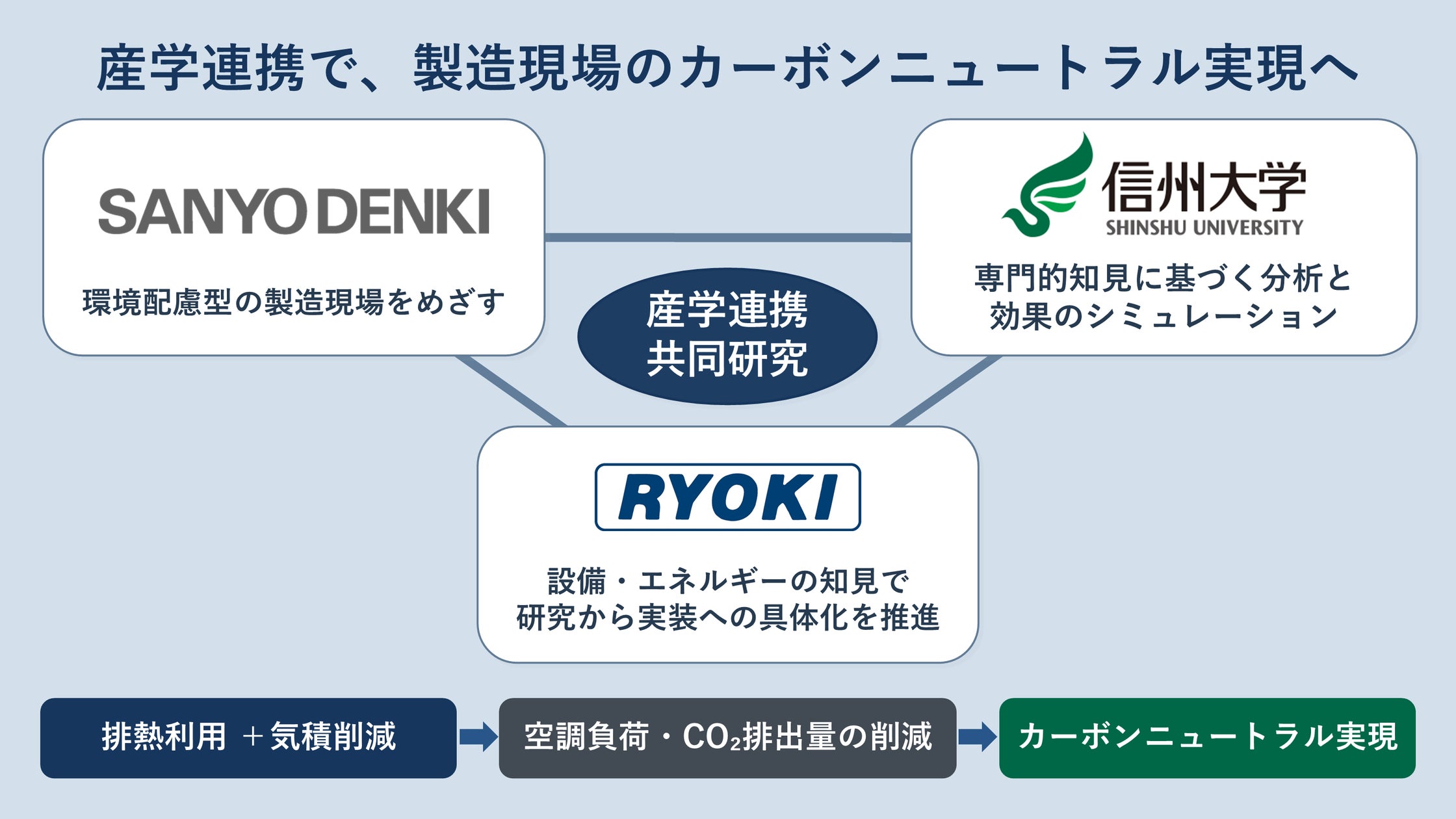
Sanyo Denki Factory Tests Waste Heat Reuse and Air Volume Cuts in Joint Study
Ryoki Kogyo said its joint study with Shinshu University and Sanyo Denki examined waste heat and unused space at a factory in Ueda through field measurements and analysis.