Tokyu Power Supply links 457 home batteries for first demand-reduction discharge in the TEPCO service area
Tokyu Power Supply remotely controlled 457 household batteries to deliver 787.5 kWh of demand-reduction discharge during a nationwide power supply crunch on October 21, 2026.
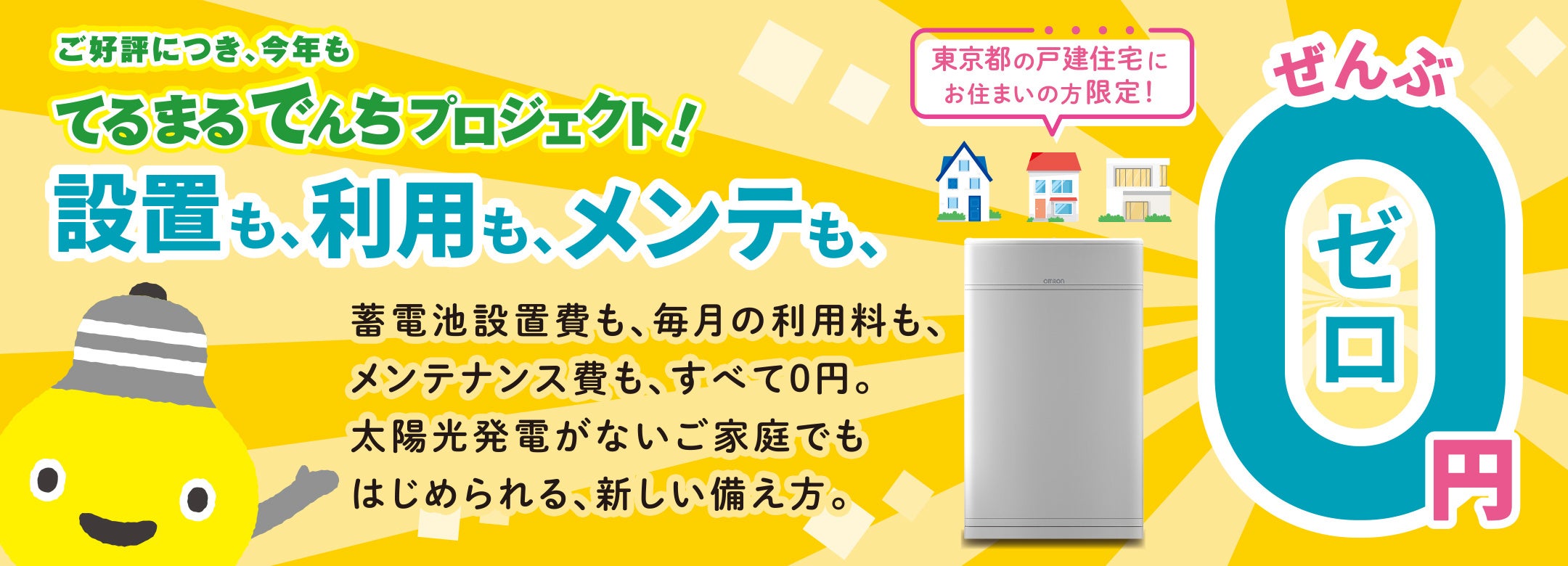
Tokyu Power Supply Co., Ltd., based in Setagaya, Tokyo, said it remotely controlled 457 home storage batteries under the Terumaru Denchi brand as a group and carried out a total of 787.5 kWh of demand-reduction discharge in response to a nationwide power supply crunch on October 21, 2026. The company said that, according to its own findings, this is the first time in the Tokyo Electric Power Grid service area that home batteries have been grouped and controlled on a commercial basis to perform demand-reduction discharge in response to a power shortage.
The Terumaru Denchi project is promoted using the Tokyo Metropolitan Government's program to promote the installation of home batteries. The batteries controlled this time were 457 units connected to the system as of that day. They were linked as a group and their discharge was controlled. The system bundles batteries in individual homes into a single source of adjustment capacity, aiming to reduce electricity use during periods of rising demand.
Weather conditions contributed to the tight supply. On October 21, a developed low-pressure system passed through, and many areas were forecast to reach unseasonable midsummer temperatures of 30 degrees Celsius or higher. Tokyo did in fact record a high of 30 degrees Celsius. In western Japan, imbalance prices were pinned at 300 yen per kWh, the cap that had just been raised on October 1 this year, and the broad-area reserve margin fell below 3%.
A supply crunch was also expected in the Tokyo Electric Power Grid area. On October 19, TEPCO Power Grid, Inc. issued a temporary notice on its outlook for electricity supply and demand, and there was a possibility it would ask businesses with generating facilities to provide spare generating capacity. When electricity supply is tight, requests for such supply-and-demand adjustments may be issued.
Here is how demand-reduction discharge works. Electricity supply and demand must always be kept in balance, and when demand exceeds supply, frequency and supply stability can be compromised. Demand-reduction DR adjusts electricity consumption or discharge on the customer side to narrow the gap between supply and demand. Home batteries can release stored electricity when supply is tight, so they are expected to be used as a source of this adjustment capacity.
Based on the results of this project, attention is likely to focus on expanding the number of batteries in group control and on how the system should be operated at times other than supply shortages. If more homes have storage batteries, more people may be able to take part in balancing supply and demand. However, gaining the consent of participating households and managing the remaining charge after discharge will also be challenges.
BLUE NOVA Hydrogen Journal view
This case shows that home batteries have moved from being operated individually to being managed in groups as a resource for balancing supply and demand. It is significant because it confirmed, through results on a commercial basis, that residential batteries can function as an adjustment resource on the demand side during periods of tight supply. Going forward, how the company balances expanding the number of units with securing household consent and managing remaining battery charge will shape the spread of similar efforts.
Source: PR TIMES
This article was written by the editors based on the cited report and translated from Japanese. AI is used to assist in writing and translation.
More news

Study uses platinum-based quaternary alloy catalyst to cut green hydrogen costs
Researchers are testing electrolytic reforming of ethanol with a platinum-based quaternary alloy catalyst to lower the cost of producing green hydrogen.
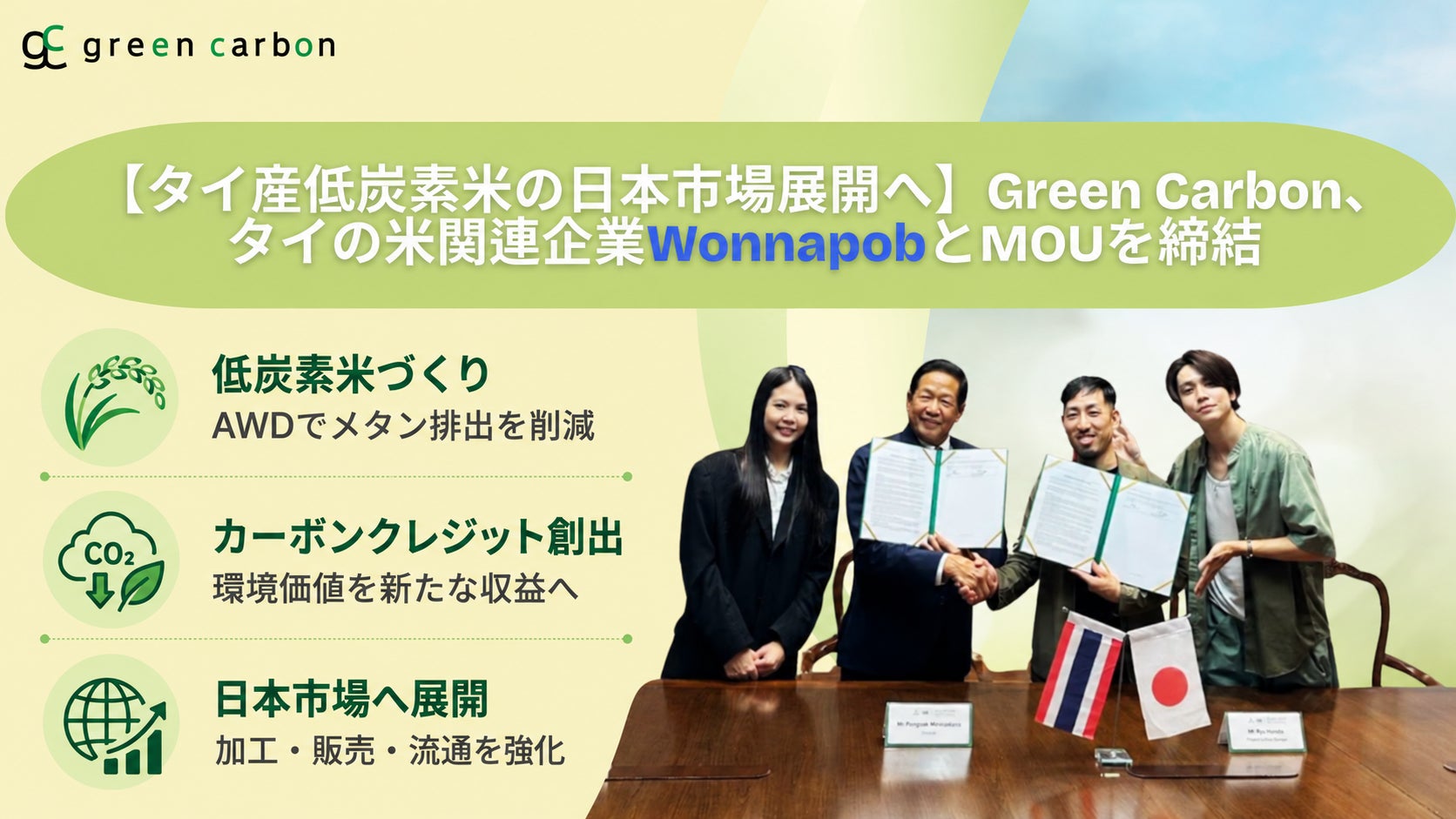
Green Carbon signs MOU with Thai rice firm on low-carbon rice and emission credits
Green Carbon Co., Ltd. has signed a memorandum of understanding with Thai rice processor and exporter Wonnapob Co., Ltd. to combine paddy methane reduction with rice sales.

Panasonic to mass-produce next-generation perovskite solar cells in fiscal 2029
The company plans full-scale production of the thin, flexible panels for installation on building windows and other surfaces.

New report says CCS policy design sidelines biomethane-based carbon removal
A new report says rules centered on carbon capture and storage do not adequately address carbon removal using biomethane.