Acorn Bioenergy applies for permit for biogas plant in Devon, England
Acorn Bioenergy has applied for permission to build a biogas plant in Devon, in southwestern England.

Acorn Bioenergy has applied for permission to build a biogas plant in Devon, in southwestern England. A biogas plant breaks down organic waste and energy crops through the action of microorganisms and extracts a gas composed mainly of methane. The application marks the next step in advancing the company's plan.
Building a new biogas plant in England typically requires planning permission from the local authority for the construction plan. In addition, facilities that handle waste as feedstock must obtain an environmental permit from the Environment Agency, which oversees environmental regulation.
The digestate left over from fermentation contains nitrogen and phosphorus, so it is often used as liquid fertilizer on farmland. This is expected to reduce the use of chemical fertilizers. However, spreading digestate can cause odors and affect water quality, so operational management is important.
Biogas plants have three main sources of revenue: selling electricity generated from the gas, supplying heat to nearby facilities, and selling upgraded gas (biomethane) as biomethane that is injected into the gas pipeline network. The method chosen greatly changes capital investment and the profit structure.
In England, support has been provided for electricity and upgraded gas (biomethane) from biogas under the renewable energy support scheme. Because the details of the scheme change over time, the profitability of individual projects will be judged by business plans after permission is granted. This policy position is an important factor affecting the economics of the project.
From a greenhouse gas perspective, the significance lies in capturing and using methane that would otherwise be released into the atmosphere from livestock manure and food waste. Burning the captured methane could help cut emissions by replacing fossil fuels. However, the amount of reduction varies depending on the type of feedstock and how the plant is operated.
At similar facilities, the volume of feedstock received and the management system for operations determine business stability. A shortage of feedstock lowers power output, while an excess can overwhelm processing capacity, so securing feedstock throughout the year is a challenge.
Going forward, the application will be reviewed to decide whether permission is granted, after which the timing of construction and the start of operations will be set. The timing of the permit decision and the scale of the facility will need to be confirmed from information released later. Local residents and nearby farmers are also likely to watch closely how feedstock is sourced and how digestate is handled.
BLUE NOVA Hydrogen Journal view
In England, biogas plants that link agriculture with waste treatment have been positioned as one form of renewable energy. This permit application is a milestone that shows whether the plan will advance to the approval stage. The actual nature of the facility can be judged only once the content of the permit and the details of the construction plan are clear, but as a project that builds the cycle of waste and agriculture into its design, its progress is worth following from a decarbonization perspective.
Source: ENDS Waste & Bioenergy
This article was written by the editors based on the cited report and translated from Japanese. AI is used to assist in writing and translation.
More news

RIKEN VITAMIN and Puchipuchi co-develop masterbatch made from recycled raw materials
The masterbatch, which uses recycled raw materials, has been used in some Puchipuchi bubble cushioning products since April 2026.

Yamaguchi seminar on logistics efficiency and decarbonization set for Nov. 18 in Shimonoseki
The seminar, following full enforcement of the revised Logistics Efficiency Act, covers modal shift and joint transport.

Socotec gives reasonable assurance for CFP of Asahi Kasei's Korean unit's acrylonitrile
Socotec has provided reasonable-level assurance for the fiscal 2025 product CFP of acrylonitrile made by Tongsuh Petrochemical.
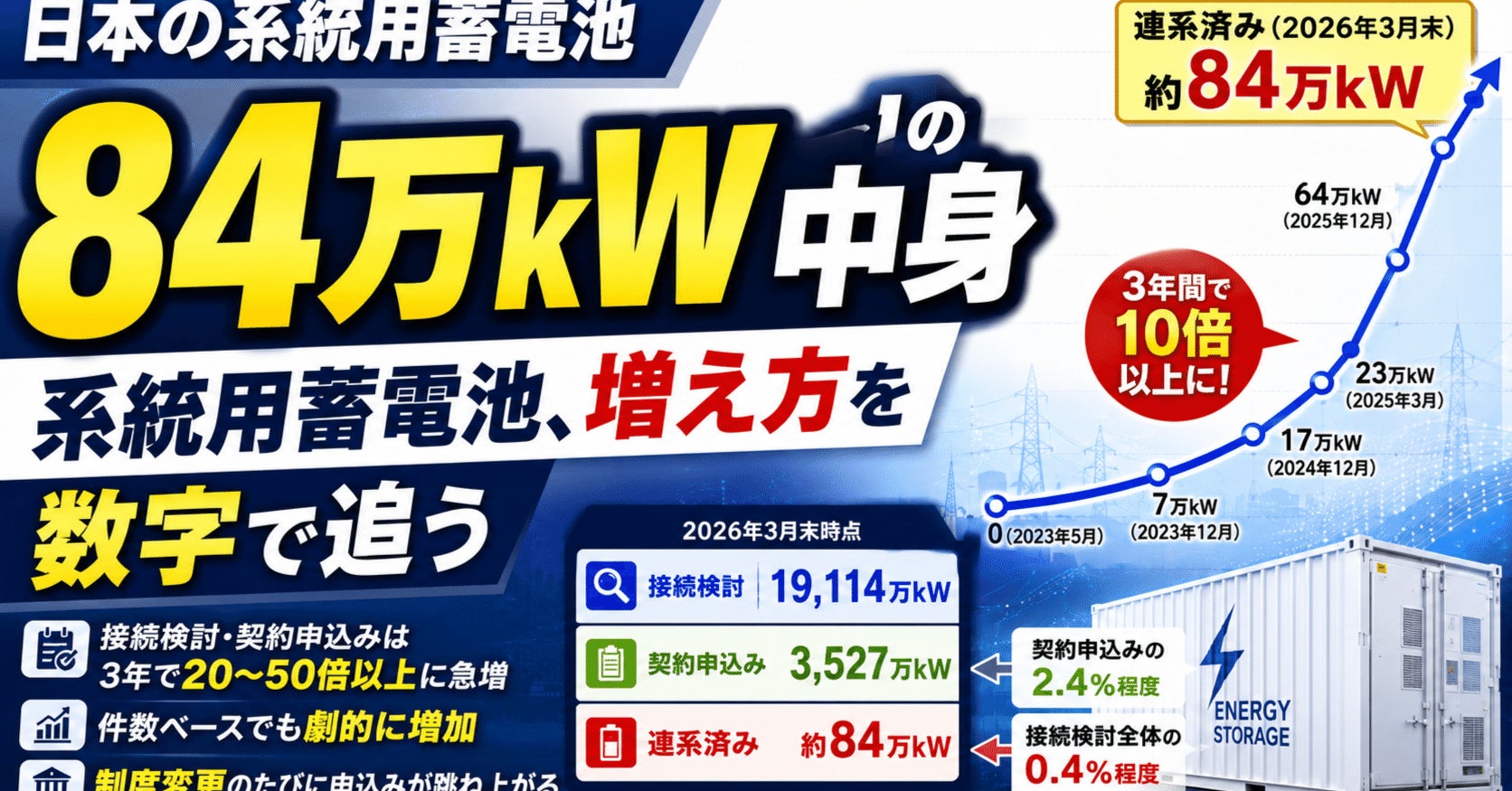
Grid battery capacity up more than tenfold in three years, webinar to outline adoption trends
Connected capacity reached about 840,000 kW at the end of March 2026, driven by rule changes and a surge in applications.