Brother Industries signs disaster agreement with Tokyo's Chuo Ward on hydrogen fuel cells
Brother Industries has signed an agreement with Tokyo's Chuo Ward to use hydrogen fuel cells during disasters.

Brother Industries announced that it has signed an agreement with Tokyo's Chuo Ward to use hydrogen fuel cells in the event of a disaster. The partnership would use power generation from fuel cells as an emergency power source for the local community when power supply is cut off by blackouts or other events. The collaboration between a local government and a private company in disaster prevention is a key feature.
A fuel cell is a device that generates electricity through a chemical reaction between hydrogen and oxygen. Unlike generators that obtain electricity by burning fuel, it releases mainly water during the reaction and does not emit carbon dioxide during operation.
Hydrogen is the lightest element and exists on Earth mainly in compounds such as water and fossil fuels. Extracting it in pure form requires processes such as electrolysis, and the environmental impact varies greatly depending on the production method.
In a disaster, the key challenge is how to secure emergency power until the power grid is restored. Gasoline-powered generators depend on stockpiling and supplying fuel, so they are difficult to keep running when fuel is hard to obtain. Systems that store hydrogen and use it to generate power can widen disaster response options depending on how they are operated.
Disaster prevention agreements between local governments and private companies are seen across the country. Generally, companies provide products or technology, while local governments handle the identification of evacuation shelters and the operating framework. This agreement follows this basic approach.
To put the agreement to effective use in actual disaster response, it is important to arrange where equipment will be placed, conduct routine inspections, and establish operating procedures for emergencies. Securing the hydrogen supply system is also key to sustained operation.
Hydrogen fuel cells are used in a widening range of applications, from home use to factories and mobile units. Their use as emergency power in disasters is one of these applications.
BLUE NOVA Hydrogen Journal view
When disasters cut off power transmission, securing emergency power is central to running evacuation shelters. Power sources that can keep operating even when fuel is hard to obtain are an important consideration for local governments. This agreement is notable as an effort to extend hydrogen fuel cells from everyday technology into part of disaster prevention infrastructure. The advantage of hydrogen depends largely on how it is stored and operated.
Source: 日本経済新聞
This article was written by the editors based on the cited report and translated from Japanese. AI is used to assist in writing and translation.
More news
RIKEN VITAMIN and Puchipuchi co-develop masterbatch made from recycled raw materials
The masterbatch, which uses recycled raw materials, has been used in some Puchipuchi bubble cushioning products since April 2026.
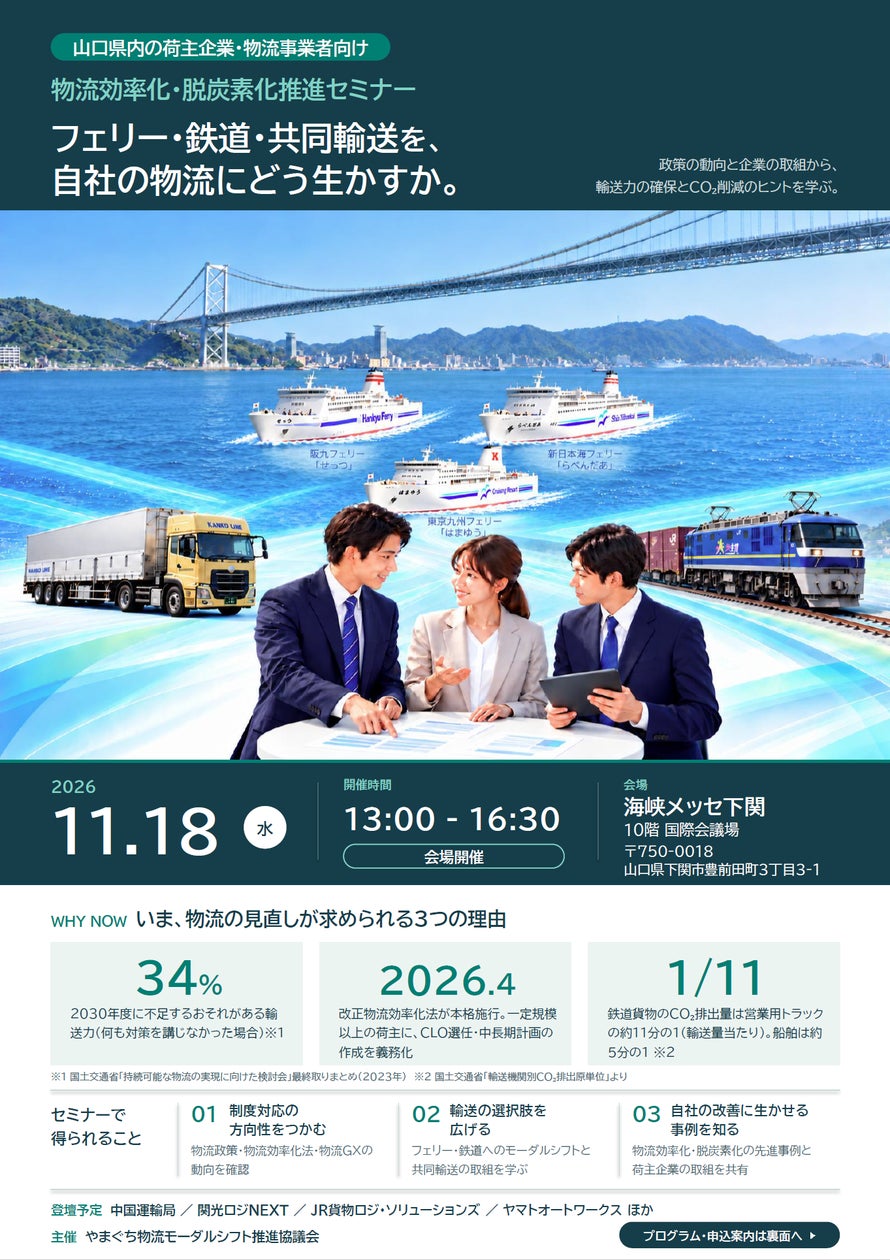
Yamaguchi seminar on logistics efficiency and decarbonization set for Nov. 18 in Shimonoseki
The seminar, following full enforcement of the revised Logistics Efficiency Act, covers modal shift and joint transport.
Socotec gives reasonable assurance for CFP of Asahi Kasei's Korean unit's acrylonitrile
Socotec has provided reasonable-level assurance for the fiscal 2025 product CFP of acrylonitrile made by Tongsuh Petrochemical.
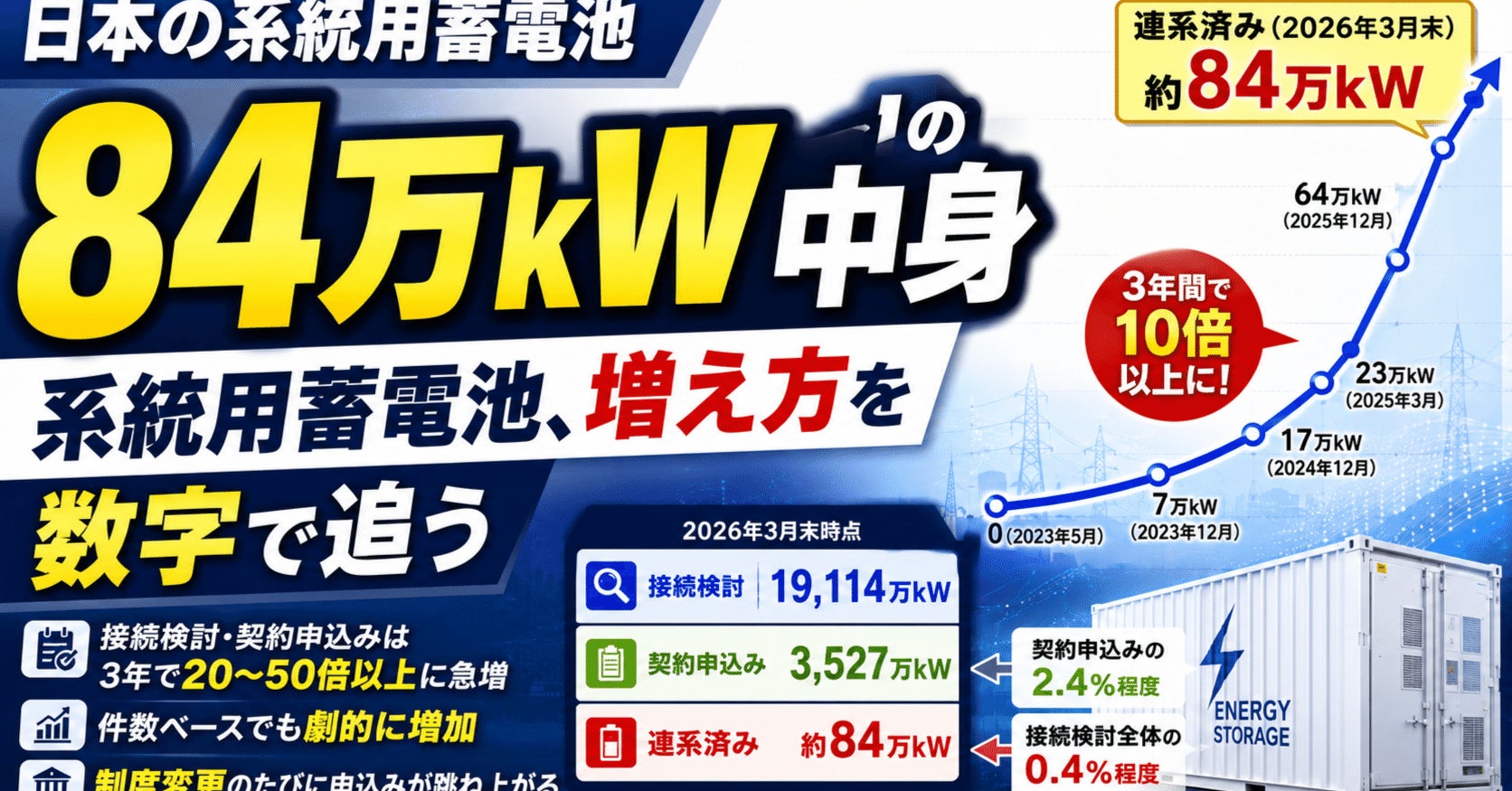
Grid battery capacity up more than tenfold in three years, webinar to outline adoption trends
Connected capacity reached about 840,000 kW at the end of March 2026, driven by rule changes and a surge in applications.