Toyota Tsusho sets up Indonesian biomethane venture, aims for 2027 start
Toyota Tsusho has formed a joint venture in Indonesia to produce and sell biomethane, targeting commercial operations in 2027.

Toyota Tsusho said it has established a joint venture in Indonesia to produce biomethane. Commercial operations are scheduled to begin in 2027. Biomethane is gas made by removing carbon dioxide and other components from biogas, which is produced when microbes ferment organic waste, and refining the methane that makes up its main component to high purity.
Indonesia has a large population, and demand for waste treatment and natural gas is high, particularly in urban areas. A project that recovers gas from organic waste in such areas is significant because it can handle waste properly while supplying fuel at the same time.
Common revenue sources for biomethane projects include sales of refined gas, injection into city gas networks and sales as fuel for power generation. There are also schemes that sell greenhouse gas reduction volumes as certificates, so projects can divide their revenue streams. Replacing fossil-based natural gas can curb carbon dioxide emissions when the gas is burned, but the reduction effect varies depending on the type of feedstock and how the production process is controlled.
In Japan, some projects refine biogas from sewage treatment plants and wastewater from food factories and inject it into city gas networks. The joint venture is seen as an effort to build a similar system overseas. However, the stability of local feedstock supply, legal systems and contract terms with gas customers will determine whether the project succeeds.
Toward commercial operations in 2027, construction of facilities, securing of feedstock and development of sales customers are expected to advance. If production volumes and sales results are disclosed after operations begin, they will provide a basis for judging the viability of overseas biomethane projects.
BLUE NOVA Hydrogen Journal view
Biomethane is attracting attention as a practical option for decarbonization because it can be used without major changes to existing natural gas infrastructure. The project is an attempt to link waste recycling with gas supply in Indonesia, a growing market. Results from commercial operations and stable securing of feedstock will shape future evaluations. As a Japanese company expands circular energy businesses overseas, the project's progress is worth watching.
Source: Dellows News
This article was written by the editors based on the cited report and translated from Japanese. AI is used to assist in writing and translation.
More news
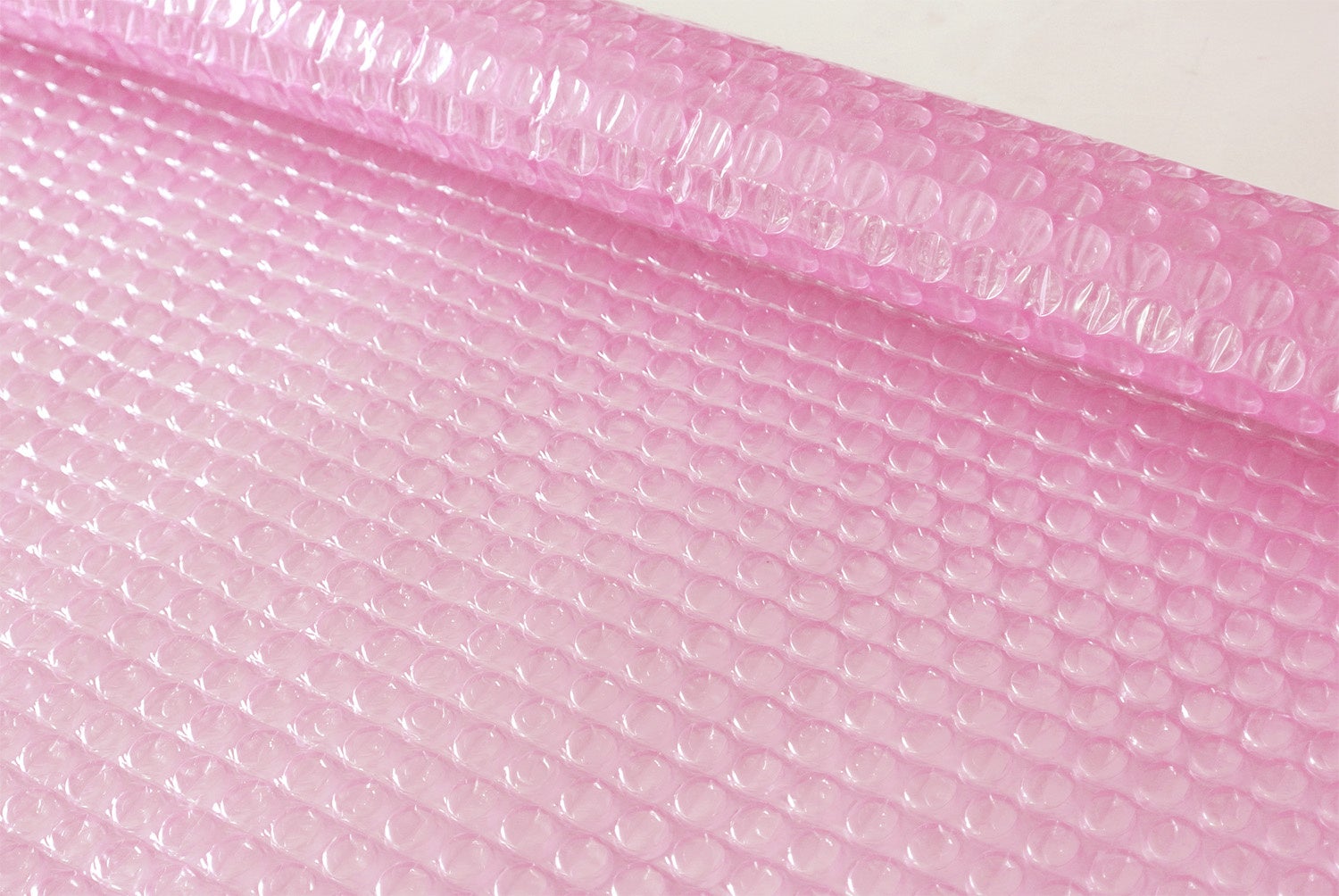
RIKEN VITAMIN and Puchipuchi co-develop masterbatch made from recycled raw materials
The masterbatch, which uses recycled raw materials, has been used in some Puchipuchi bubble cushioning products since April 2026.
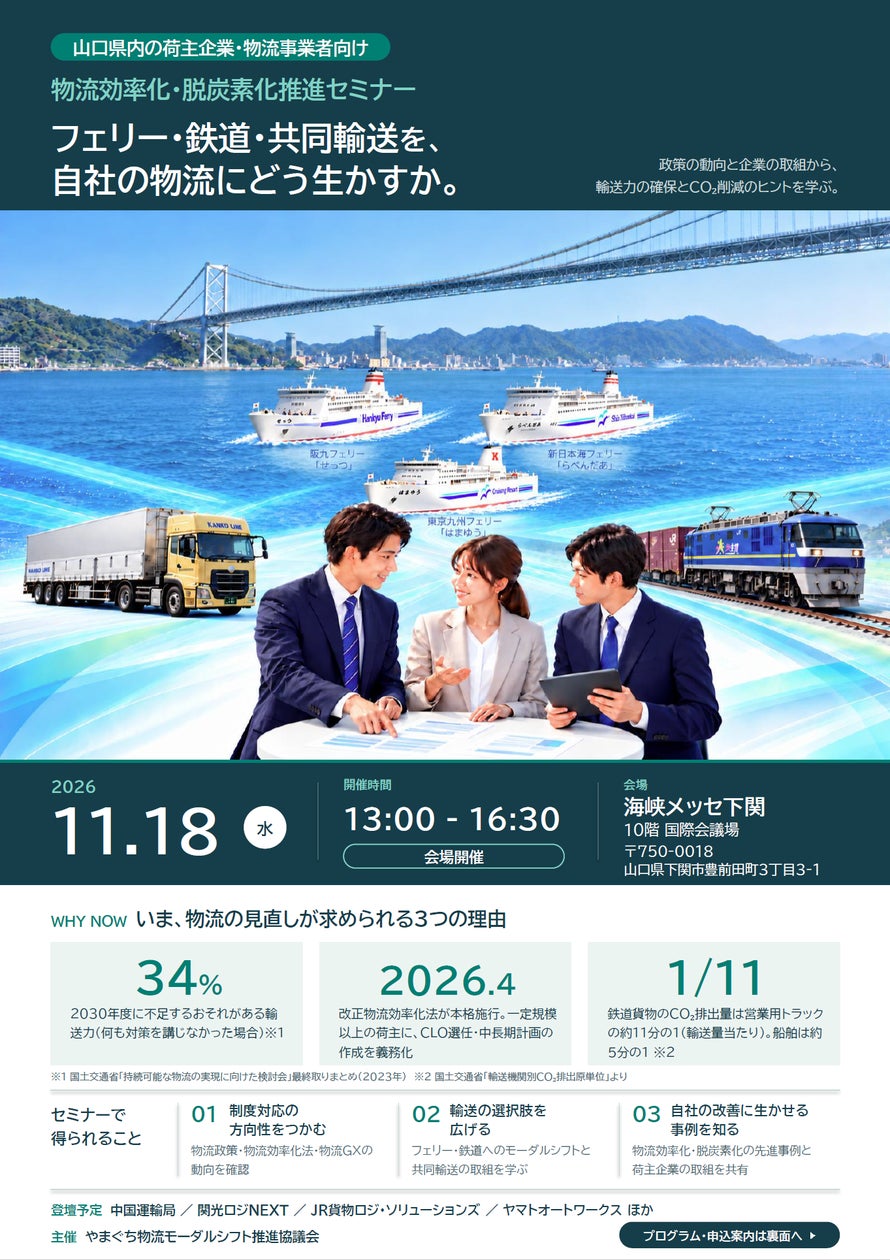
Yamaguchi seminar on logistics efficiency and decarbonization set for Nov. 18 in Shimonoseki
The seminar, following full enforcement of the revised Logistics Efficiency Act, covers modal shift and joint transport.
Socotec gives reasonable assurance for CFP of Asahi Kasei's Korean unit's acrylonitrile
Socotec has provided reasonable-level assurance for the fiscal 2025 product CFP of acrylonitrile made by Tongsuh Petrochemical.
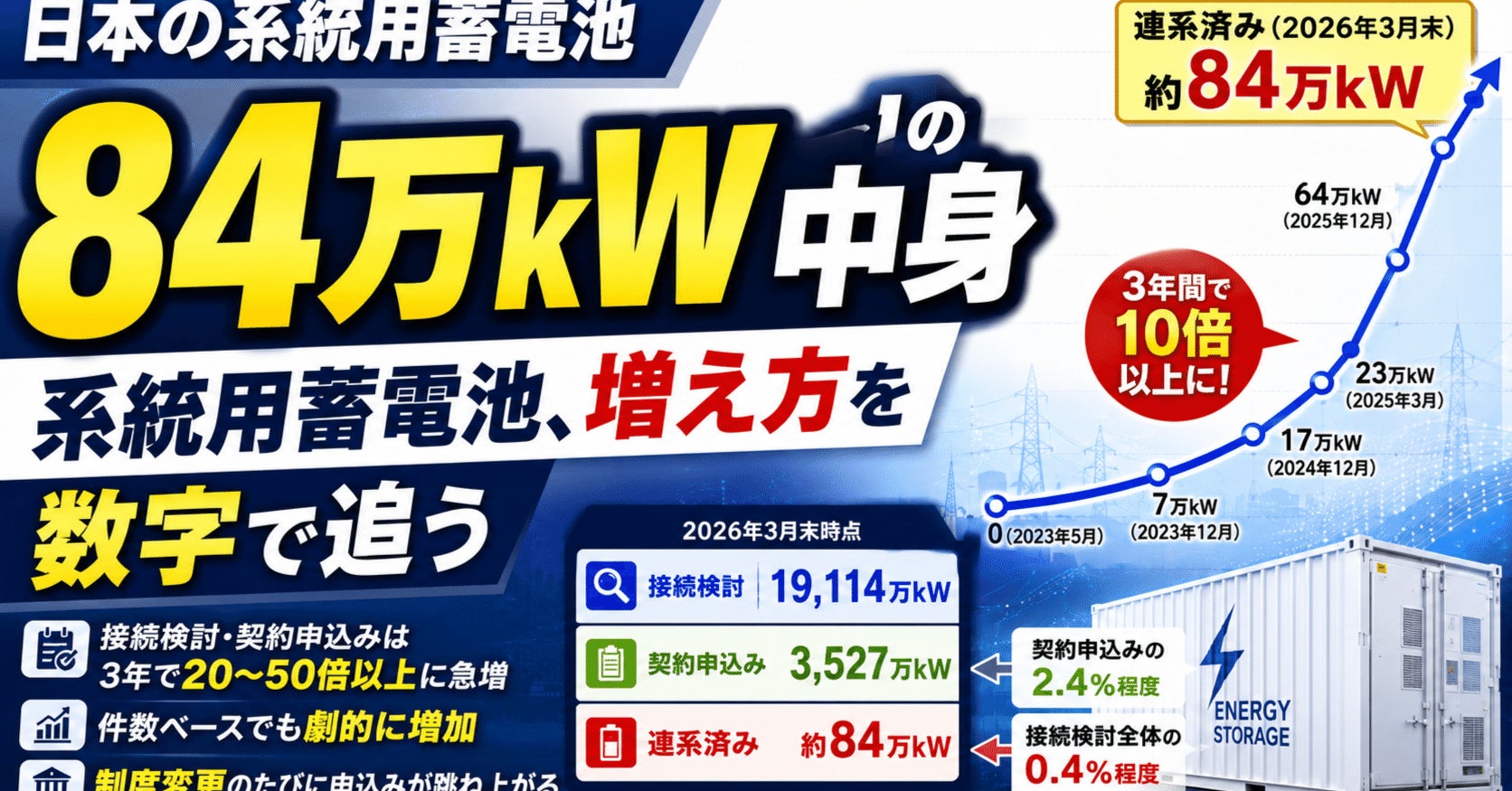
Grid battery capacity up more than tenfold in three years, webinar to outline adoption trends
Connected capacity reached about 840,000 kW at the end of March 2026, driven by rule changes and a surge in applications.