MOL Group opens biomethane plant, launching its renewable gas business
MOL Group has opened a new plant that refines biogas into biomethane with quality comparable to city gas.

MOL Group announced the opening of a new plant that produces biomethane. The start of the facility shows that the company has begun operating its renewable gas production equipment.
MOL Group is an integrated energy company active mainly in Central and Eastern Europe, engaged in oil and gas exploration, refining, petrochemicals and retail. Responding to the shift toward decarbonization, it is producing low-carbon gas as an extension of its existing natural gas business.
Biomethane is gas produced by removing carbon dioxide and other components from biogas, which is generated when organic matter such as livestock manure, food waste and sewage sludge is broken down anaerobically, and raising its methane concentration. Because it can be brought to a quality equivalent to the main component of city gas, existing gas pipelines and appliances can be used as they are.
In the biogas production process, microbes decompose organic matter to generate gas consisting mainly of methane and carbon dioxide. Separating carbon dioxide in the refining process produces a gas with a higher heating value, which can serve as a substitute for natural gas. Because organic feedstock is regarded as a renewable resource, replacing natural gas derived from fossil fuels leads to greenhouse gas reductions over the entire life cycle.
Revenue sources for the business could include sales of refined gas, supply to gas networks and sales of certificates showing the environmental value of renewable energy. Costs center on procuring and pretreating feedstock and on building and maintaining fermentation tanks and refining equipment. Business models that accept agricultural waste and food residues and earn processing fees are also spreading as similar initiatives.
In Europe, a growing number of countries are establishing systems to inject biomethane into natural gas pipeline networks. In Germany and other countries, schemes that use existing gas networks are spreading, and use as transport fuel is also advancing. These moves are positioned as part of policies to replace gas demand with low-carbon gas.
Another renewable gas option is e-methane, made from electricity and carbon dioxide. The difference from biomethane lies in whether the feedstock is organic matter or hydrogen derived from renewable electricity. Both can use existing gas infrastructure, and they are being studied in parallel as decarbonization options.
The key points to watch are whether the plant's production volume and operations can deliver gas stably and continuously. Stable securing of organic feedstock and the conditions for connecting to gas networks will determine how far the business can expand. How the company's efforts link with European renewable gas adoption targets will be the focus going forward.
BLUE NOVA Hydrogen Journal view
Biomethane turns everyday organic materials such as livestock manure and food waste into a resource, producing a fuel that can be used in existing natural gas equipment. The operation of a large plant shows that a business model combining waste treatment with low-carbon gas supply has reached the practical stage. Going forward, production volume, feedstock security and grid connection terms will determine how far the business can expand.
Source: ad-hoc-news.de
This article was written by the editors based on the cited report and translated from Japanese. AI is used to assist in writing and translation.
More news

RIKEN VITAMIN and Puchipuchi co-develop masterbatch made from recycled raw materials
The masterbatch, which uses recycled raw materials, has been used in some Puchipuchi bubble cushioning products since April 2026.
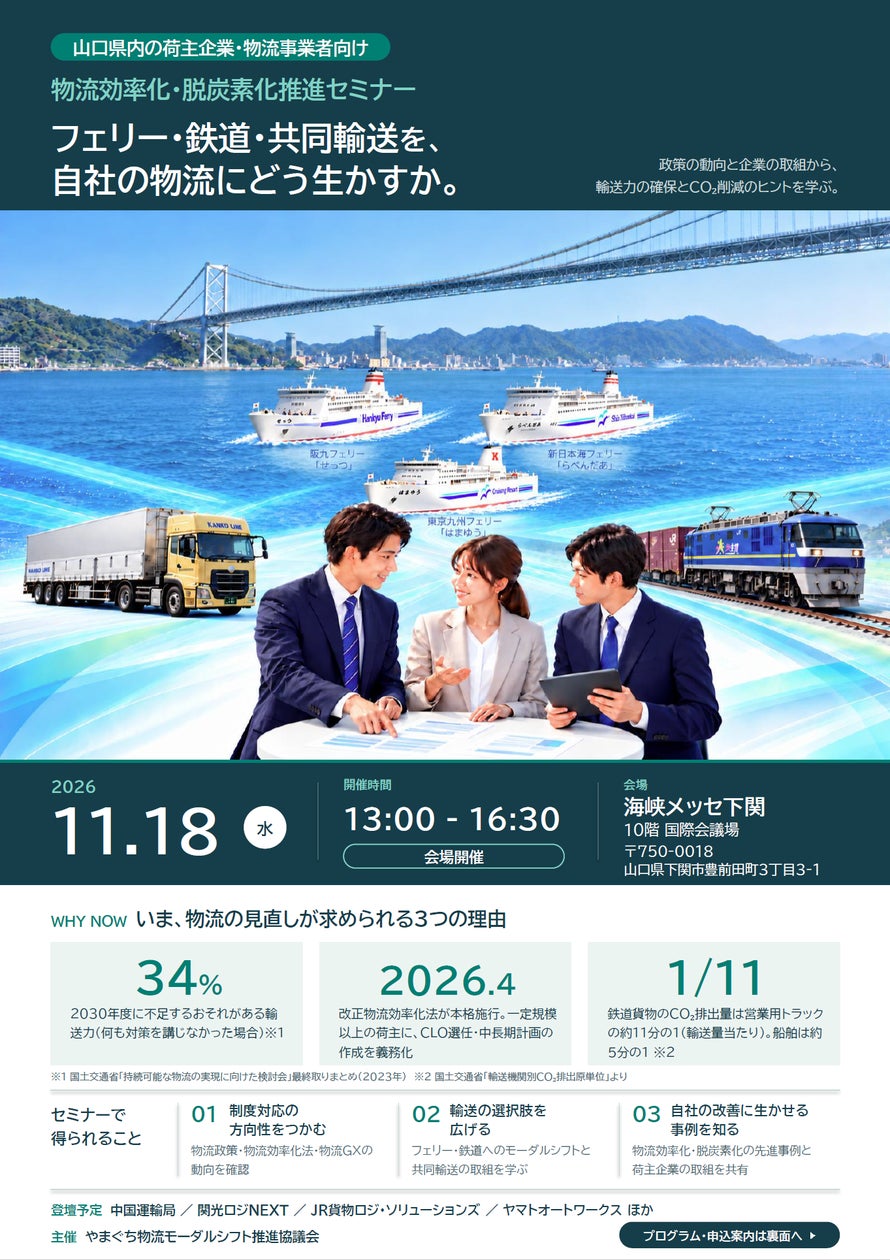
Yamaguchi seminar on logistics efficiency and decarbonization set for Nov. 18 in Shimonoseki
The seminar, following full enforcement of the revised Logistics Efficiency Act, covers modal shift and joint transport.
Socotec gives reasonable assurance for CFP of Asahi Kasei's Korean unit's acrylonitrile
Socotec has provided reasonable-level assurance for the fiscal 2025 product CFP of acrylonitrile made by Tongsuh Petrochemical.
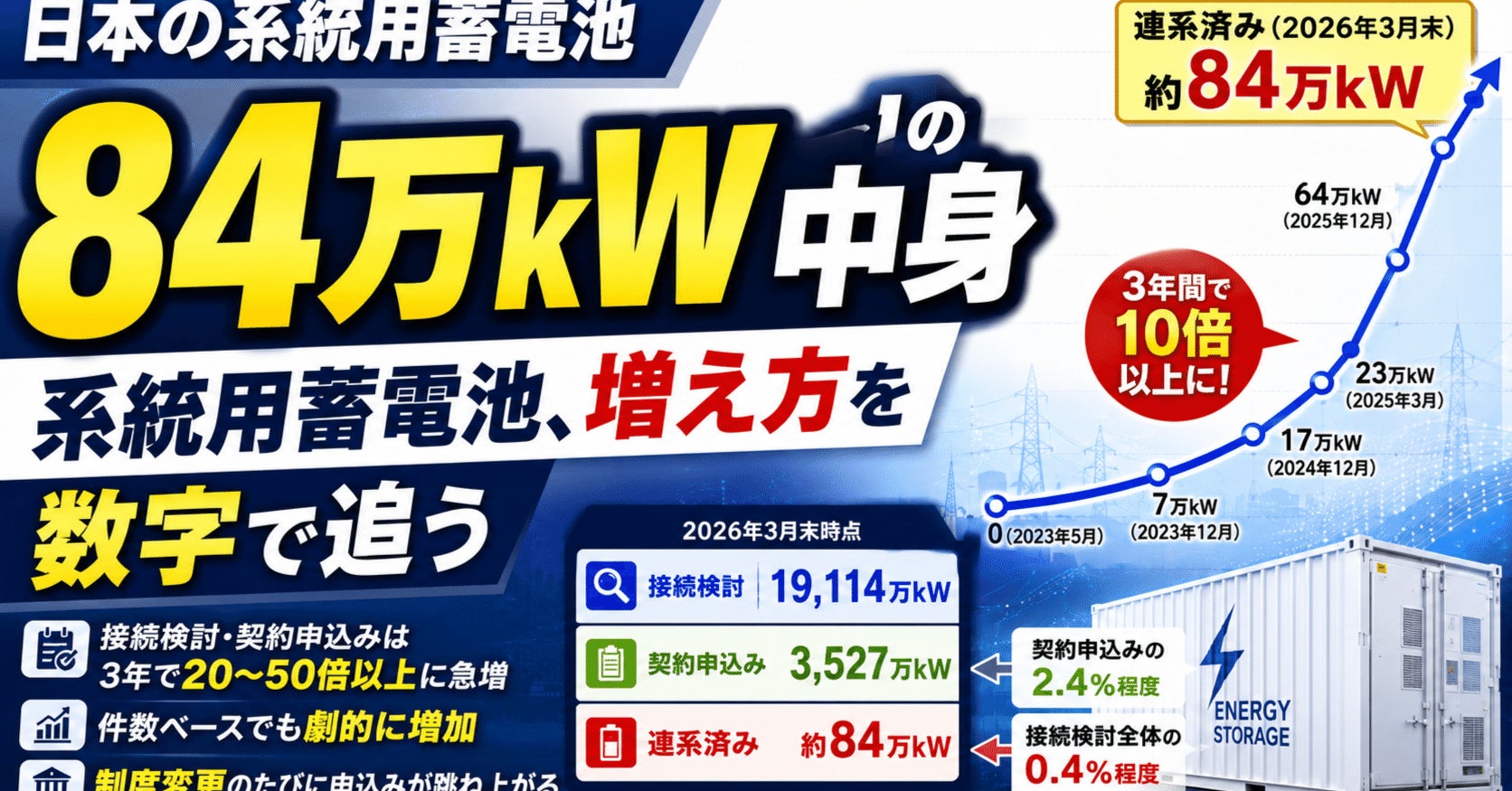
Grid battery capacity up more than tenfold in three years, webinar to outline adoption trends
Connected capacity reached about 840,000 kW at the end of March 2026, driven by rule changes and a surge in applications.