Transport agency to hold domestic shipping technology seminar in Takamatsu on Nov. 18
The Japan Railway Construction, Transport and Technology Agency will present the latest technologies for coastal vessels, including fuels and antifouling paints, in Kagawa Prefecture.

The Japan Railway Construction, Transport and Technology Agency will hold a 'Domestic Shipping Technology Support Seminar' in Takamatsu, Kagawa Prefecture, on November 18. The seminar will present ship technologies for decarbonization and the latest technologies for fuel oil and antifouling paints. It is designed as a venue for sharing technical information with domestic shipping operators and shipbuilding industry members.
Domestic shipping is the transport of cargo between ports within Japan. It supports the logistics base as a means of transport that takes over from trucks. At the same time, reducing CO2 emitted by vessels is a central challenge for decarbonizing the shipping sector as a whole.
Decarbonizing domestic vessels involves several approaches, including improving the efficiency of hulls and propulsion equipment, switching to alternative fuels and optimizing operations. Reviewing the properties of fuel oil is important for balancing emissions reductions with stable engine operation.
Antifouling paint prevents marine organisms from attaching to ship hulls. As hull fouling increases, hull resistance rises and fuel efficiency worsens, so paint performance directly affects fuel consumption and emissions. It can be described as one of the basic technologies supporting the operational efficiency of ships.
The Japan Railway Construction, Transport and Technology Agency is an independent administrative institution that supports transport sectors including shipping and railways. The seminar is positioned to encourage the adoption of new technologies in the field. It is expected to serve as a source of information for shipowners considering new technologies.
Attention will focus on how far the technologies presented at the seminar are adopted on actual vessels. Decarbonization of domestic shipping is expected to proceed in stages, in line with ship replacement schedules and the development of fuel supply networks.
BLUE NOVA Hydrogen Journal view
Domestic shipping carries a large share of the nation's cargo, yet reducing CO2 emissions from vessels remains a challenge. A forum that addresses fuel, paint and hull technologies at once, as this seminar does, is meaningful as an opportunity to link individual technologies to operational decisions on the water. The agency's support programs could serve as an information source for small and mid-sized shipowners weighing new technologies. Decarbonization results will appear as reduced emissions only once technologies are adopted vessel by vessel. For readers, it offers an entry point to understanding how decarbonization in shipping will proceed.
Source: フネコ - Funeco
This article was written by the editors based on the cited report and translated from Japanese. AI is used to assist in writing and translation.
More news

RIKEN VITAMIN and Puchipuchi co-develop masterbatch made from recycled raw materials
The masterbatch, which uses recycled raw materials, has been used in some Puchipuchi bubble cushioning products since April 2026.
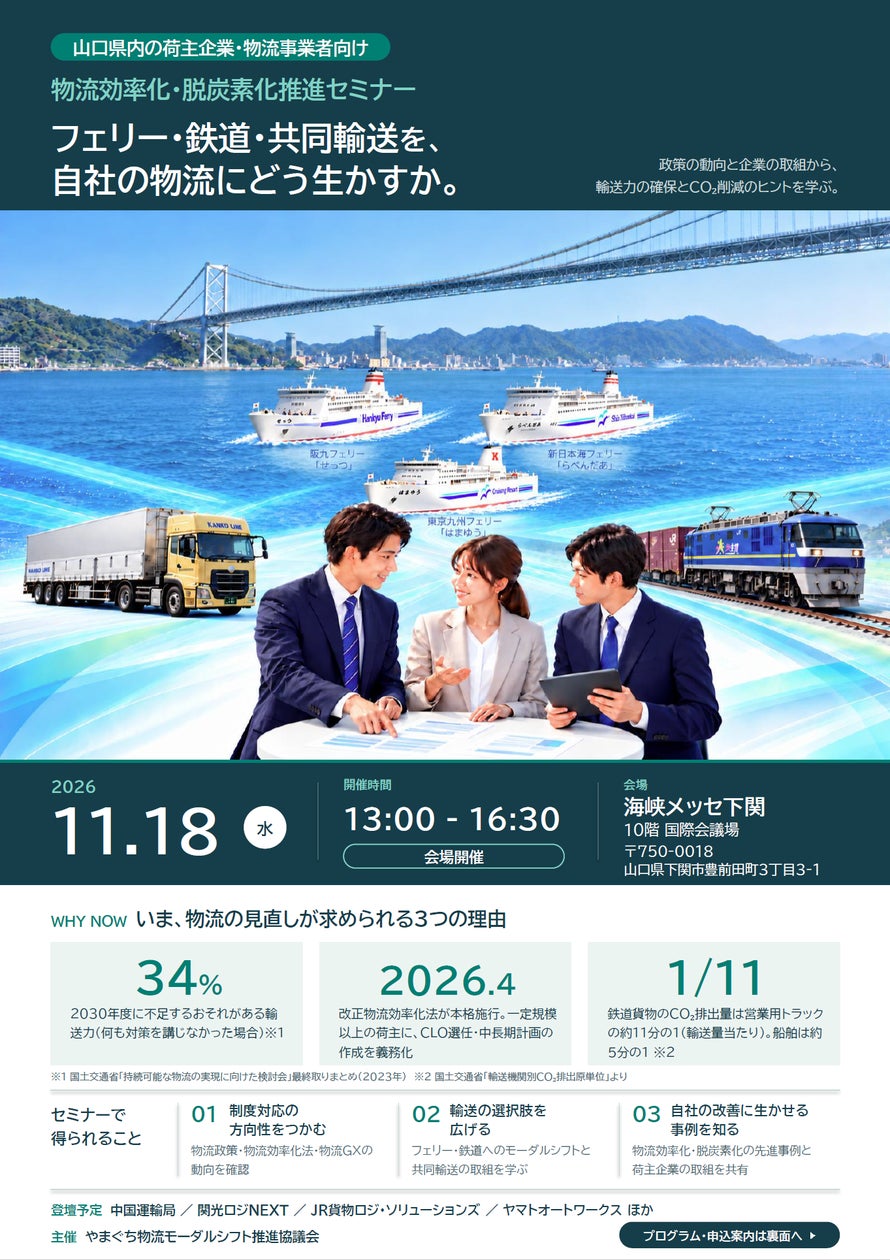
Yamaguchi seminar on logistics efficiency and decarbonization set for Nov. 18 in Shimonoseki
The seminar, following full enforcement of the revised Logistics Efficiency Act, covers modal shift and joint transport.
Socotec gives reasonable assurance for CFP of Asahi Kasei's Korean unit's acrylonitrile
Socotec has provided reasonable-level assurance for the fiscal 2025 product CFP of acrylonitrile made by Tongsuh Petrochemical.
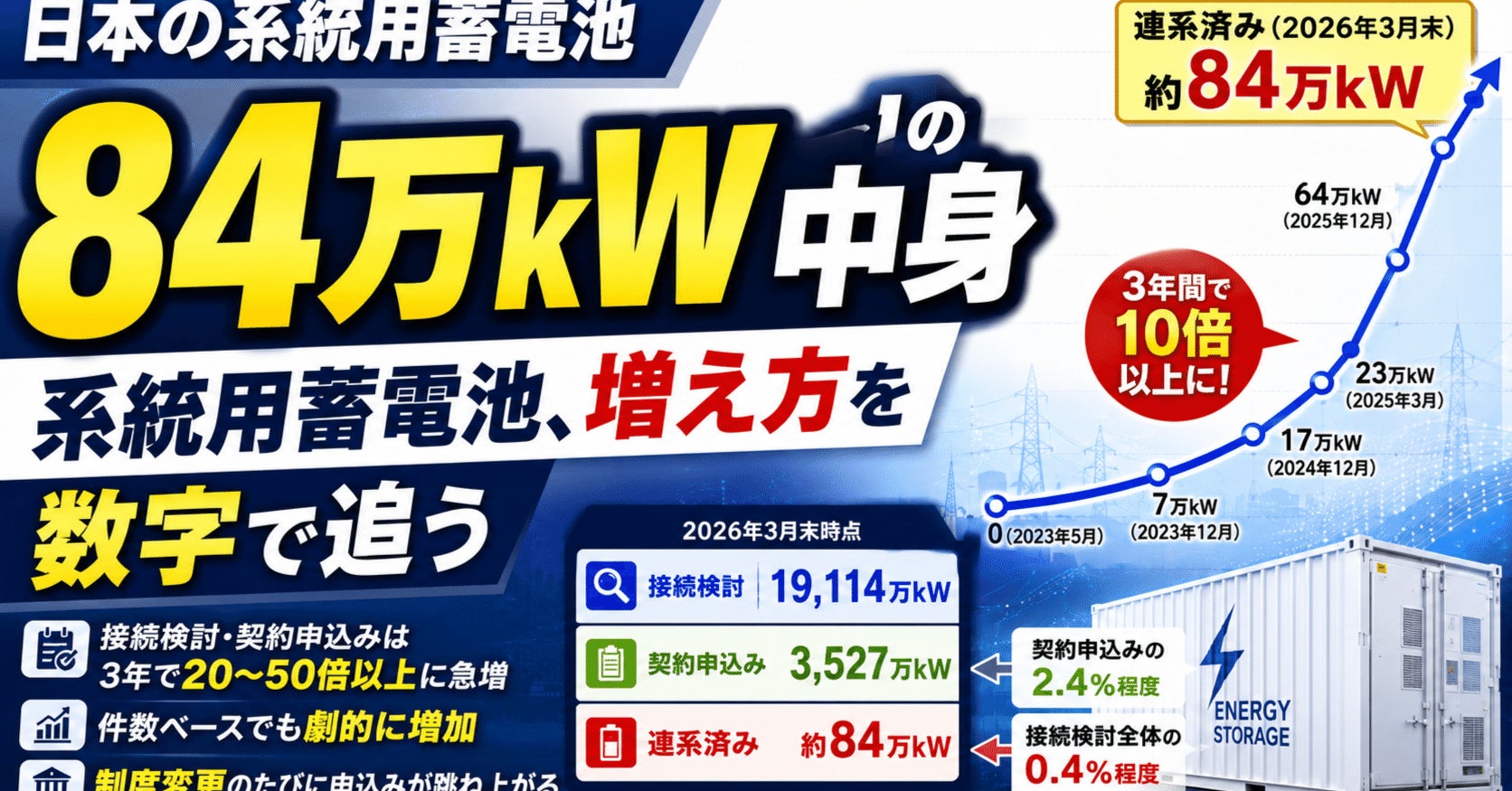
Grid battery capacity up more than tenfold in three years, webinar to outline adoption trends
Connected capacity reached about 840,000 kW at the end of March 2026, driven by rule changes and a surge in applications.